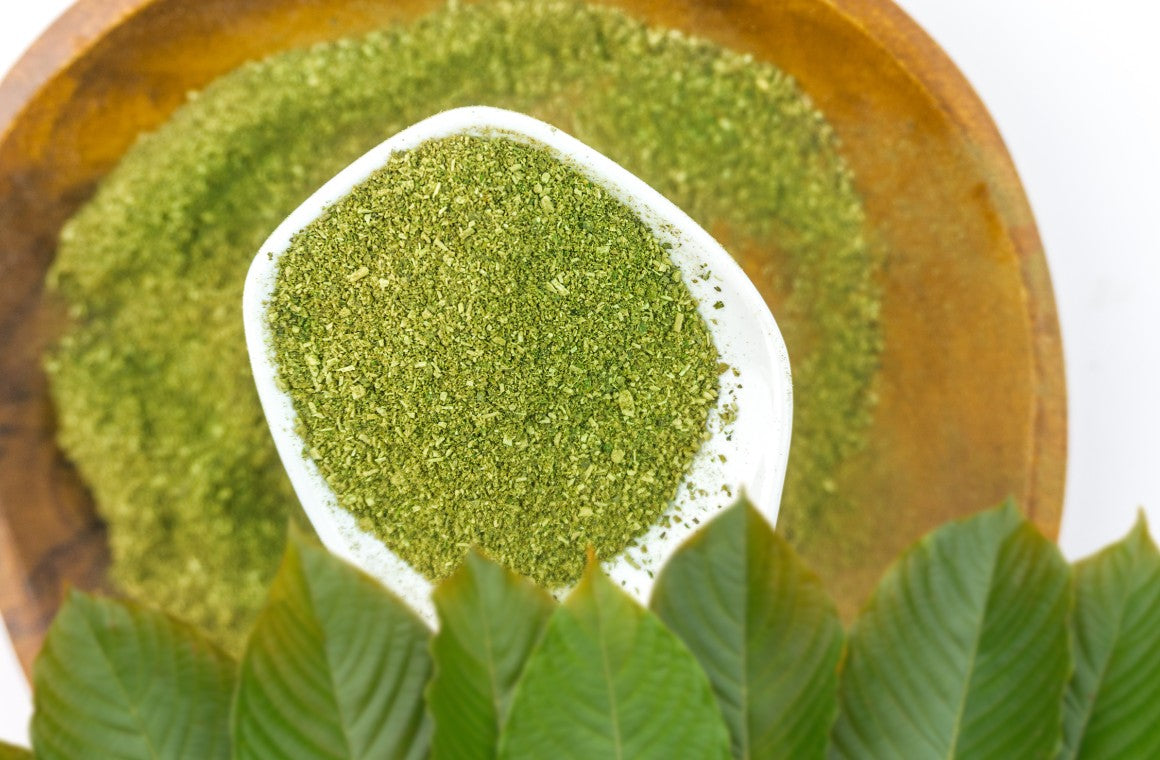
Kratom extracts are highly concentrated forms of the Mitragyna speciosa plant. Unlike traditional Kratom powder, these extracts go through a process that reduces the plant material while concentrating naturally occurring alkaloids. But what are Kratom extracts, and how are they different from other Kratom formats?
These are two of the most common questions many Kratom users ask while exploring different Kratom products. This Kratom extract guide explains everything from extract types and labeling standards to production methods, quality considerations, and how extracts compare with traditional Kratom powder.
💡 What You'll Learn in This Guide!
|
Table Of Contents
- What Are Kratom Extracts?
- The Origin of Kratom Extracts
- How Are Kratom Extracts Made?
- What Are the Different Types of Kratom Extracts?
- Kratom Extracts vs Powder: Which Is Better?
- Are Kratom Extracts Legal in 2026?
- Where to Buy Kratom Extracts?
- Kratom Extracts: Best Practices to Follow
- Frequently Asked Questions
What Are Kratom Extracts?
Kratom extracts are highly potent, concentrated products made by separating and isolating naturally occurring alkaloids from the leaves of the Mitragyna speciosa tree. Unlike raw Kratom powder, which contains the ground plant fiber itself, extracts undergo advanced processing to deliver a higher alkaloid density. They are available in various standardized formats, including liquids, enhanced powders, capsules, resins, and shots.
What Do Strength Labels Like 2x, 5x, and 10x Mean?
- Kratom extract labels often include terms like 2x, 5x, 10x, or 25x, which generally refer to the extraction ratio used during production.
- For example, a 10x extract typically indicates that around 10 parts of raw Kratom leaf material were processed to create 1 part of extract.
- However, these labels are not standardized across the Kratom industry.
- Different manufacturers may use different extraction methods and production processes, meaning a 10x extract from one brand may not have the same alkaloid concentration as a 10x extract from another.
🎯 Keep in mind:
- The "x" value describes the extraction ratio, not the exact alkaloid content.
- A higher number does not always mean a higher Mitragynine percentage.
What Does the MIT/Alkaloid Percentage Mean?
MIT stands for Mitragynine, one of the primary naturally occurring alkaloids found in the Mitragyna speciosa plant. Most Kratom extracts also list an MIT percentage on the product label.
Unlike extraction ratios, an MIT percentage represents the actual concentration of Mitragynine in the finished extract, making it a more consistent way to compare products.
👉 For example:
|
MIT Percentage |
Approximate Mitragynine Per Gram of Extract |
|
5% MIT |
~50 mg |
|
10% MIT |
~100 mg |
|
20% MIT |
~200 mg |
|
45% MIT |
~450 mg |
The Origins of Kratom Extracts
- Mitragyna speciosa plant; Kratom has been prepared in concentrated forms for generations, long before commercial extracts existed.
- Traditional methods in Southeast Asia involved brewing leaves into a strong tea or reducing that liquid down into a thick paste for easier storage and transport.
- As demand grew outside the region, extraction moved from small-batch, home-style methods to more controlled commercial processes capable of producing consistent, lab-verified concentrations.
- Today's Kratom products including extracts are the modern extension of that same basic idea: concentrating what's naturally in the leaf.
How Are Kratom Extracts Made?
The process of making the best Kratom extracts involves several stages that transform raw Kratom leaves into a more concentrated extract format. While extraction methods can differ between manufacturers, the overall process generally follows a similar process:
Step 1: Harvesting and Preparing Kratom Leaves
-
The process begins with leaves from the Mitragyna speciosa tree, which is native to Southeast Asia. After harvesting, the leaves are cleaned, dried, and prepared for processing.
-
Once dried, the leaf material is typically milled into a fine powder to create a consistent starting material for extraction.
Step 2: Combining Leaf Material With an Extraction Solution
-
The powdered Kratom leaf material is mixed with an extraction solution to separate naturally occurring compounds from the plant material.
-
Depending on the manufacturing method, producers may use solutions such as water, food-grade ethanol, or other approved extraction methods. Some processes may also involve pH adjustments to help improve separation.
Step 3: Separating Compounds From Plant Material
-
During this stage, the mixture is processed to allow the desired compounds from the leaf material to move into the liquid portion.
-
Methods may include controlled soaking, mixing, or other techniques designed to separate the extracted liquid from the remaining plant material.
Step 4: Filtering the Extracted Liquid
-
After extraction, the mixture is filtered to remove remaining leaf particles and plant fiber.
-
This step separates the liquid portion from the solid plant material, leaving a cleaner extract solution for further processing.
Step 5: Removing Excess Liquid
-
The filtered solution then undergoes additional processing to remove excess moisture. Depending on the production method, this may involve evaporation or other controlled techniques.
-
As the liquid is reduced, the extract becomes thicker and can form a resin-like consistency before being processed into other formats.
Step 6: Creating the Final Extract Format
The processed extract is then prepared according to the desired product type. Depending on the formulation, it may be converted into formats such as:
- Liquid extracts
- Powder extracts
- Resin extracts
- Capsules
- Extract shots
Each format uses the same general extraction process but may involve additional preparation steps before packaging.
Step 7: Laboratory Testing and Quality Checks
Before distribution, reputable manufacturers may send finished batches to independent laboratories for testing.
Testing may include:
- Mitragynine (MIT) percentage verification
- Alkaloid profile analysis, where applicable
- Ingredient verification
- Screening for contaminants such as heavy metals or microbial impurities
What Are the Different Types of Kratom Extracts?
Kratom extracts are available in several forms that differ based on their texture, packaging, and formulation. While all extract products are created from processed Kratom leaf material, manufacturers can prepare them as liquids, powders, capsules, solid extracts, or extract-infused blends.
Liquid Kratom Extracts & Tinctures
Liquid Kratom extracts, also known as tinctures, are liquid-based formulations where extract material is suspended in a carrier such as water or food-grade ethanol. They are commonly packaged in small bottles with droppers or measured dispensing systems.
⭐ Key characteristics:
- Liquid consistency
- Multi-serving bottle format
- Dropper-based or measured dispensing
|
⚡ Know more on liquid Kratom extracts: |
Kratom Extract Shots
Kratom extract shots are a type of liquid extract packaged as a pre-measured, single-serving product. Unlike tinctures, which usually come in multi-use bottles, shots are sold in individual sealed containers.
|
Features |
Liquid Extracts/Tinctures |
Extract Shots |
|
Packaging |
Multi-serving bottle |
Individual sealed bottle |
|
Serving Format |
Measured from bottle |
Pre-portioned container |
|
Product Style |
Liquid formulation |
Ready-to-drink liquid format |
Powdered Kratom Extracts
Powdered Kratom extracts are dry extract products processed into a fine powder. Although they may resemble traditional Kratom powder, they are made from extract material rather than only ground leaf.
⭐ Key characteristics:
- Fine powder consistency
- Available in bags or containers
- Often labeled with extract ratios or MIT percentages
|
⚡ Get a better insight on Kratom extract products: |
Kratom Extract Capsules
Kratom extract capsules contain powdered extract enclosed inside capsule shells. This format provides a packaged capsule option while containing processed extract material rather than standard leaf powder.
⭐ Common characteristics include:
- Pre-filled capsules
- Powdered extract contents
- Bottle packaging with capsule count information
- Available in different extract specifications
Resin/Solid Extracts
Resin extracts are thicker forms of Kratom extract with a semi-solid or solid consistency. They are created by further processing liquid extract material until it reaches a denser texture.
⭐ Key characteristics:
- Thick or solid consistency
- Dark appearance
- Different texture from liquid and powder extracts
Enhanced Kratom (Extract-Infused Powder)
Enhanced Kratom is a blend of traditional Kratom powder and added extract material. Unlike pure extracts, these products contain both ground leaf powder and extract components.
⭐ Key characteristics:
- Powder-based blend
- Combination of leaf powder and extract
- Different from 100% extract products
Kratom Extracts vs Powder: Which Is Better?
The table below highlights the main differences between Kratom extracts and traditional Kratom powder at a glance:
|
Comparison Factor |
Kratom Extracts |
Kratom Powder |
|
Processing |
Made through an additional extraction and refinement process |
Made by drying and grinding Kratom leaves |
|
Alkaloid Concentration |
More concentrated than raw leaf powder; often labeled with MIT percentages or extract ratios (e.g., 10x) |
Naturally occurring alkaloids in the raw leaf; typically not labeled with extract ratios |
|
Formats Available |
Liquids, extract shots, powders, capsules, and resins |
Loose powder and capsules |
|
Storage |
Store according to the product format in a cool, dry place away from heat, moisture, and direct light |
Store in an airtight container in a cool, dry place away from heat and moisture |
Are Kratom Extracts Legal in 2026?
Kratom extracts generally follow the same legal status as regular Kratom, which varies by state and, in some cases, by county or city. A handful of states have banned Kratom outright, while others regulate it with age restrictions or leave it largely unregulated.
Laws around Kratom can change and vary by location, so it's worth confirming current rules in your state before purchasing.
|
📢 Get a better insight on Kratom legality: |
Where to Buy Kratom Extracts?
Kratom extracts for sale can be found through online retailers, local smoke shops, and dedicated Kratom brands, but not all sources offer the same level of quality or transparency.
Since manufacturing practices and product labeling can vary between brands, it's important to purchase from reputable vendors that provide clear product information and emphasize transparency.
🚩Red Flags to Watch Out For
Before purchasing any Kratom extract, keep an eye out for these warning signs:
- No third-party lab testing or Certificate of Analysis (COA) available.
- Missing alkaloid information or unclear product labeling.
- No batch or lot number for product traceability.
- Incomplete ingredient list, especially for blended or flavored extracts.
- Unrealistic potency claims without supporting laboratory data.
- Poor packaging or missing manufacturer information.
- No information about sourcing or quality standards on the manufacturer's website.
Kratom Extracts: Best Practices to Follow
When handling Kratom extracts, keep these general precautions in mind:
✔️ Start with traditional Kratom forms before exploring extract products, especially if you're unfamiliar with the differences between formats.
✔️Avoid combining Kratom extracts with alcohol or other substances, unless specifically directed by a qualified healthcare professional.
✔️Keep track of the product format and specifications you're using, including details such as the extract type, MIT percentage, or extract ratio listed on the label.
✔️Avoid switching between different extract formats too quickly, as product formulations and concentrations can vary.
✔️Read the product label carefully for ingredient information, storage instructions, and manufacturer guidance.
Frequently Asked Questions
What Does 10x Kratom Extract Mean?
A 10x label means the extract is roughly ten times more concentrated than standard Kratom leaf. It's a relative comparison rather than a fixed measurement, and it can vary between brands since the term isn't industry-standardized.
Is Kratom Extract Stronger Than Powder?
Yes, Kratom extract is more concentrated than powder because it goes through an extraction process that removes plant fiber and isolates the alkaloids. This means a smaller amount of extract contains more concentrated alkaloid content than the same amount of powder.
Does Kratom Extract Expire?
Yes, Kratom extract can lose potency, aroma, and quality over time, though it doesn't spoil the way food does. Proper storage can help slow this process and extend how long the product stays fresh.
|
💡 Trying Kratom for the first time? Learn more on: |
How Can You Tell Whether A Kratom Extract Is Lab Tested?
Look for a Certificate of Analysis (COA) from an independent third-party lab, which should confirm alkaloid content and screen for contaminants.
How To Store Kratom Extract Properly?
Store Kratom extract in a cool, dark, and dry place, away from direct sunlight, heat, and moisture. Keeping liquid extracts tightly sealed and powdered or resin extracts in an airtight container helps preserve potency for longer.
|
💡 Still have more questions on Kratom and its products? Check out our FAQ page here! |
Disclaimer: This guide is intended for informational and educational purposes only and should not be considered medical or legal advice. Kratom laws vary by location and may change over time. Always review your local regulations before purchasing or possessing Kratom products, and consult a qualified healthcare professional if you have questions about whether Kratom is appropriate for you.
⚡ Interested in knowing more about Kratom? Read these next:
- Best Kratom Drinks in 2026: A Complete Guide to Liquid Kratom
- Kratom Capsules Buying Guide: Gelatin vs Vegetarian, Sizes & Dosing Tips
- Kratom Drinks vs Capsules: Key Differences, Benefits, and Which One to Choose