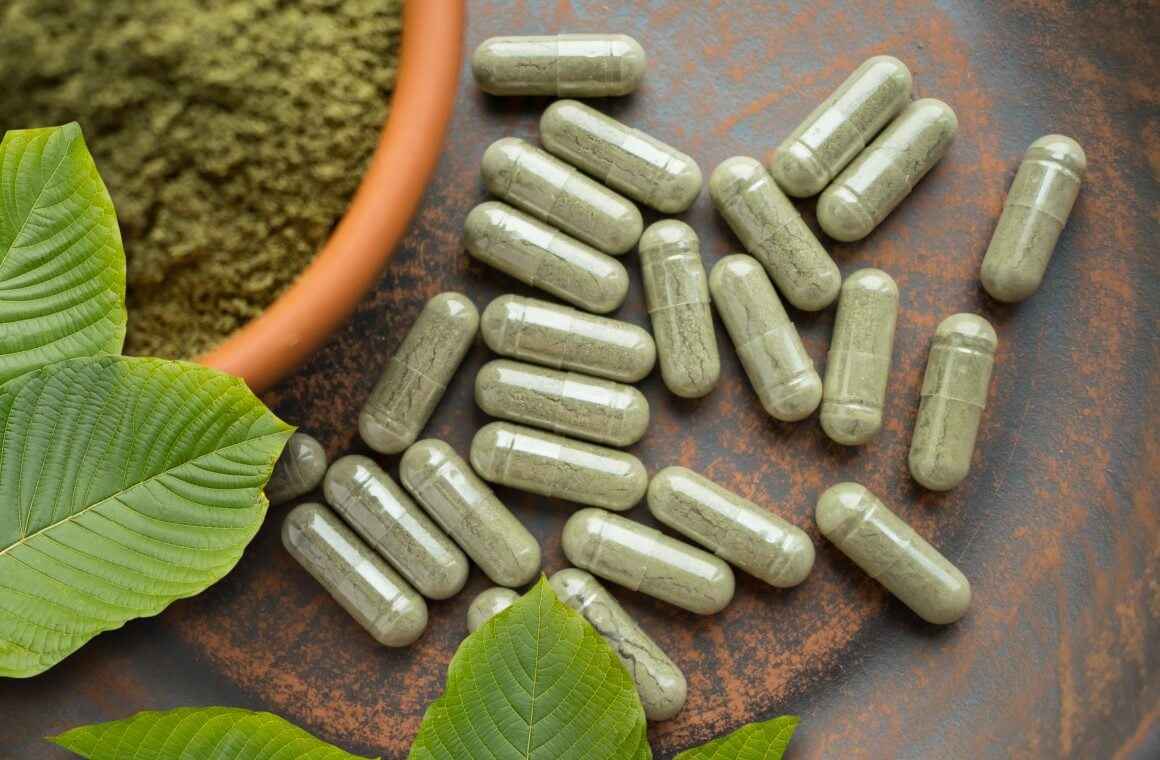
Kratom freshness plays a critical role in maintaining overall product quality. While Kratom does not spoil in the same way as food, it does degrade over time, especially when exposed to environmental stressors like moisture, air, heat, and light. Understanding how long Kratom lasts, how to store it correctly, and how to recognize degradation helps consumers avoid waste and preserve freshness—particularly when buying in larger quantities. Learn more about Kratom and their approval on FDA.
This comprehensive guide covers Kratom shelf life by form, the science behind degradation, best storage containers, and practical steps to extend freshness. The goal is to serve as an evergreen reference that answers every major question about Kratom expiration and storage.
Does Kratom Expire?
Kratom does not have a strict expiration date in the same sense as food or prescription medications. Instead, Kratom products are typically labeled with a “best by” or “best before” date, which indicates the period during which the product is expected to retain it’s freshness and quality.
It’s important to understand what these dates actually mean:
- A “best by” date reflects freshness expectations, not safety guarantees
- Kratom does not suddenly become unusable after this date
- Poor storage can cause Kratom to degrade well before the listed timeframe
- Proper storage can allow Kratom to remain stable beyond the labeled date
Because Kratom is a botanical product, its shelf life depends far more on storage conditions than on the calendar alone. Read what the FDA tells about Kratom products here.
Kratom Shelf Life by Form
Different Kratom formats age at different rates due to processing methods, packaging, and exposure risks.
Kratom Powder Shelf Life
Kratom powder generally has the longest shelf life of all formats when stored correctly.
Typical lifespan:
- 18 months to 3 years under ideal conditions
Factors influencing powder longevity:
- Fine texture increases sensitivity to moisture
- Minimal processing helps preserve natural stability
- Airtight storage significantly slows degradation
Powder is often preferred for long-term storage, especially for consumers purchasing in larger quantities. Read more about Kratom Powder by going through their Guidebook here.
Kratom Capsule Shelf Life
Capsules tend to have a slightly shorter shelf life than powder due to the capsule shell itself.
Typical lifespan:
- 1 to 2 years
Why do capsules degrade faster?
- Gelatin or plant-based shells absorb humidity
- Heat can cause capsules to soften or crack
- Capsule integrity may decline even if the Kratom inside remains stable
Capsules should always be stored in tightly sealed containers away from moisture.
Read How Long Do Kratom Capsules Take To Kick In? To read a complete guide on Kratom Capsules.
Bulk Kratom Shelf Life
Bulk Kratom follows the same shelf-life rules as powder, but storage mistakes are more common due to volume.
Key considerations for bulk storage:
- Frequent container opening increases air exposure
- Large bags are more vulnerable to humidity
- Dividing bulk Kratom into smaller containers improves longevity
Proper bulk storage is essential for maintaining freshness long term. Read Bulk Kratom Powder: Best Value Strains and How to Buy in Large Quantities to know how to store and take care of bulk quantities of Kratom. [a]
What Factors Affect the Kratom’s Freshness?
Several environmental elements directly influence how long Kratom stays fresh. Understanding these factors helps prevent premature degradation.
Light Exposure
- UV light accelerates alkaloid breakdown
- Prolonged sunlight exposure reduces botanical stability
Moisture & Humidity
- Moisture is the most damaging factor
- Can cause clumping, mold, or microbial growth
- Even small humidity exposure over time can degrade Kratom
Air & Oxygen
- Oxidation slowly degrades Kratom compounds
- Frequent opening of containers increases exposure
- Airtight storage dramatically slows this process
Heat
- High temperatures accelerate chemical degradation
- Heat can alter aroma, texture, and consistency
- Storage near stoves, windows, or electronics should be avoided
Contaminants
- Improper handling introduces bacteria or debris
- Non-food-grade containers increase contamination risk
Best Storage Containers for Kratom
Choosing the right container is one of the most effective ways to extend Kratom shelf life.
Recommended container features:
- Airtight seal
- Food-grade materials
- Moisture-resistant
- Opaque or UV-blocking when possible
Best container options:
- Glass jars with rubber seals
- Metal tins with locking lids
- Vacuum-sealed pouches for long-term storage
- Dry, sealed storage significantly reduces degradation
- Temperature stability improves botanical longevity
The FDA also emphasizes the importance of food-grade materials to prevent contamination.
Containers to avoid:
- Thin plastic bags
- Containers without airtight seals
- Clear containers exposed to light
Signs Your Kratom Has Gone Bad
Kratom that has degraded often shows clear warning signs. If any of the following are present, the product should not be used:
- Musty, sour, or unusually strong odor
- Clumping or damp texture
- Uneven darkening or discoloration
- Visible mold or foreign particles
- Packaging that shows moisture damage
Fresh Kratom should appear dry, evenly colored, and free from strong odors.
Why Freshness and Lab Testing of Kratom Matter
Freshness alone does not guarantee quality—lab testing plays an essential role in verifying product integrity.
Why lab testing matters:
- Confirms absence of contaminants
- Verifies batch consistency
- Supports transparency and consumer trust
- Helps identify degradation risks early
Fresh Kratom that is improperly tested may still present quality concerns, which is why storage and testing go hand in hand. Knowing the health standard practices by manufacturers by FDA.
Do Expiration or “Best By” Dates Matter?
Expiration or “best by” dates should be treated as guidelines, not absolute endpoints.
Key points to understand:
- Dates reflect expected freshness, not safety cutoffs
- Storage conditions can shorten or extend usability
- Products stored improperly may degrade early
- Properly stored Kratom may remain stable beyond the date
Consumers should always evaluate appearance, aroma, and texture in addition to dates. Get complete information on the same by the Food Safety and Inspection Services.
How to Dispose of Old Kratom Safely?
If Kratom shows signs of degradation, safe disposal is recommended.
Responsible disposal steps:
- Mix Kratom with non-consumable waste (coffee grounds, dirt)
- Seal in a bag before discarding
- Avoid flushing into plumbing or waterways
- Keep out of reach of children and pets
FAQs
How long does Kratom last in storage?
- Powder: up to 3 years
- Capsules: up to 2 years
- Bulk quantities depend heavily on storage practices
Does Kratom go bad over time?
Yes, Kratom can degrade due to environmental exposure.
Is powder better than capsules for long-term storage?
Powder generally lasts longer when stored correctly. Read the difference between Kratom capsules and Kratom powder here.
What is the best way to store Kratom powder?
- Airtight, food-grade containers
- Cool, dry, dark environment
Final Thoughts
Kratom shelf life is influenced far more by storage quality than by time alone. By understanding degradation factors, using proper containers, and recognizing early warning signs, consumers can protect freshness and reduce unnecessary waste—especially when purchasing in bulk.
This guide is intended to serve as a long-term reference for anyone seeking reliable information on Kratom storage, shelf life, and freshness preservation.