

Blogs
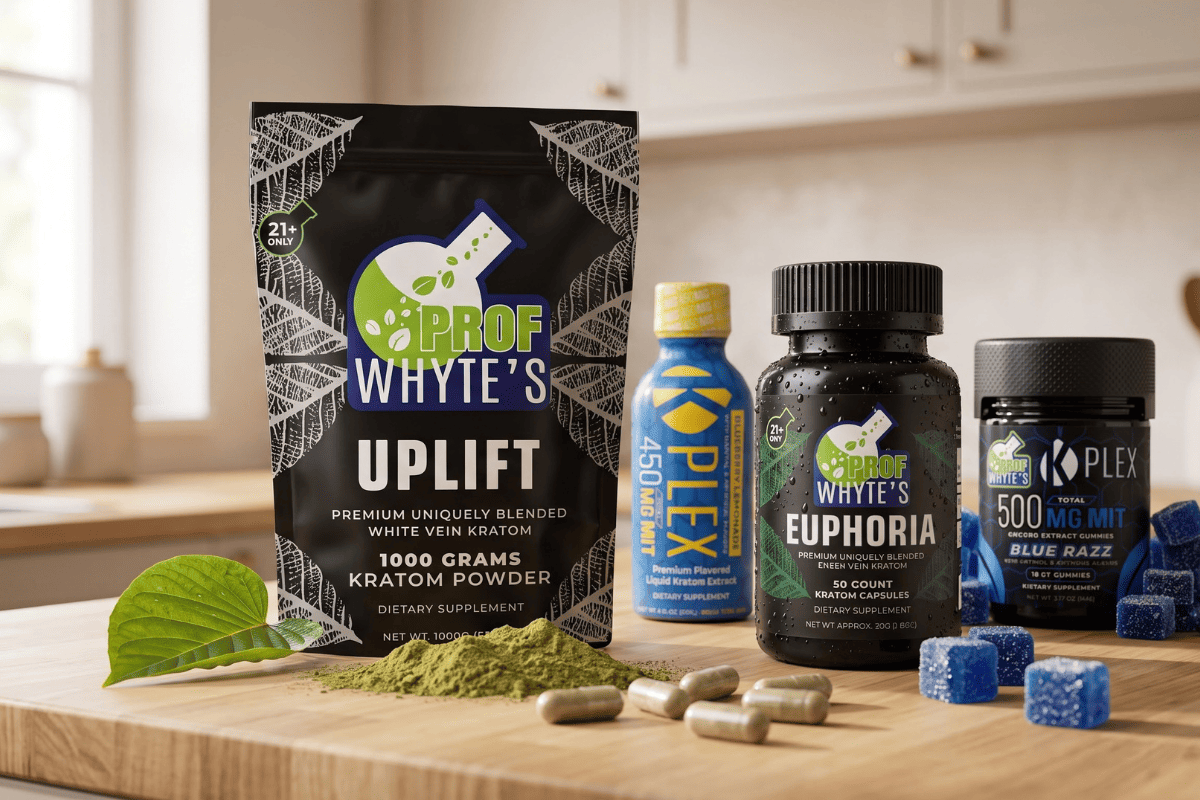

How To Keep Kratom Fresh For Longer
To keep Kratom fresh for longer, store it in a cool, dry, dark place inside a tightly sealed container. Limiting exposure to moisture, heat, light, and excess air can help maintain Kratom freshness over time. Freshness isn't only about how old your Kratom is. Packaging, handling, temperature, humidity, and how often you open the container can all affect the product's condition. This guide covers the best Kratom storage practices, what can affect freshness, how to recognize changes in fresh Kratom powder, and what to know about Kratom shelf life. Key Takeaways Keep Kratom in a cool, dry, dark place to help maintain freshness. Use an airtight container or tightly sealed original packaging to limit exposure to air and moisture. Keep Kratom away from direct sunlight, excessive heat, kitchens, bathrooms, and other humid areas. Clean, dry tools help prevent moisture and unwanted contamination. Avoid unnecessary opening and closing of the package. A small food-safe desiccant pack can help control moisture when appropriate. Follow the manufacturer's product-specific storage instructions and any date printed on the package. What Is the Best Way to Store Kratom? The best way to store Kratom is to keep it airtight, cool, dark, and dry. A tightly sealed glass jar or properly sealed original package can help limit exposure to air and moisture, while a dark, stable location helps reduce exposure to heat and light. For effective Kratom storage, keep these simple practices in mind: Use an airtight container: A tightly sealed glass jar, food-grade container, or properly sealed original packaging can help limit air and moisture exposure. Choose a cool, stable location: Keep Kratom away from excessive heat and places where temperatures change frequently. Keep it dry: Avoid humid areas such as bathrooms, kitchens, or locations near sinks. Block direct light: A dark cabinet, pantry, or drawer can help reduce prolonged light exposure. Keep the package closed: Reseal it after each use instead of leaving the powder exposed. Use clean, dry tools: Spoons, scoops, or other tools should be completely dry before they contact the powder. You don't need an elaborate setup. Good Kratom storage is mostly about controlling unwanted moisture, heat, light, and air exposure. What Factors Affect Kratom Freshness? Several environmental factors can influence Kratom freshness over time. The biggest ones are: Moisture and humidity Heat and temperature changes Light exposure Air exposure Handling and contamination Moisture and Humidity Moisture is one of the biggest concerns when trying to keep Kratom fresh. Humidity can affect dry Kratom powder and may cause changes in its texture and overall condition. Keep Kratom away from humid areas such as bathrooms, kitchens, sinks, and other places where moisture levels fluctuate. Always make sure your container and handling tools are completely dry. Heat and Temperature Changes Excessive heat and frequent temperature changes can affect Kratom's condition over time. Choose a location with a stable temperature and keep the product away from hot appliances, direct sunlight, windows, and places that regularly heat up. For everyday Kratom storage, a cool cupboard or cabinet is generally more practical than an area exposed to large temperature swings. Light Exposure Direct sunlight can affect botanical products over time, which is why keeping Kratom away from strong light is an important part of maintaining freshness. A closed cabinet, drawer, or pantry can help limit unnecessary light exposure. Air Exposure Air exposure is another reason to keep Kratom properly sealed. You don't need to avoid opening the package when you need your product. Open it only when needed, take what you need, and close it securely afterward. A simple freshness habit: Open → take what you need → reseal. The less unnecessary environmental exposure, the easier it is to maintain the product's original condition. What Container Is Best for Storing Kratom? The right container can make Kratom storage easier by helping limit exposure to air, moisture, and light. Container Type Benefits Things to Consider Airtight Glass Jar Strong seal and helps limit air and moisture exposure Keep in a dry, dark location Food-Grade Plastic Container Lightweight and convenient Make sure the lid creates a proper seal Resealable Original Packaging Convenient and requires no transfer Reseal tightly after every use Vacuum-Sealed Bag Helps minimize air exposure Make sure the package remains properly sealed For most people, the best container is clean, dry, food-grade, and capable of creating a reliable seal. What About Desiccant Packs? A small food-safe desiccant pack can help control moisture inside an appropriately sealed container. If you use one, make sure it is designed for use with stored products and does not come into direct contact with the Kratom powder. The goal isn't to make storage complicated—it's simply to keep excess humidity under control. Common Kratom Storage Mistakes to Avoid Even simple storage habits can make a difference when you're trying to maintain Kratom freshness. Avoid these common mistakes: ✓ Leaving the package open: More exposure to the surrounding air and environment can affect freshness over time. ✓ Storing it near sunlight: Direct light can expose Kratom to unnecessary light and heat. ✓ Keeping it in humid areas: Bathrooms, kitchens, and areas near water can expose dry powder to excess humidity. ✓ Using wet containers or tools: Always make sure containers, spoons, and scoops are clean and completely dry. ✓ Storing it near heat sources: Avoid stoves, heaters, hot appliances, sunny windows, and hot vehicles. ✓ Opening the container unnecessarily: Close the package promptly after taking out what you need. ✓ Ignoring the product's packaging instructions: Manufacturer guidance should take priority when it provides product-specific storage information. What Is The Best Temperature for Kratom Storage? Kratom generally does best in a cool, stable environment away from excessive heat and temperature fluctuations. Rather than focusing only on a specific number, think about where the product spends most of its time. A dark cupboard or cabinet is usually preferable to a hot garage, sunny windowsill, kitchen counter, or vehicle. The key is consistency: avoid locations that regularly get very hot or experience large temperature swings. Should You Refrigerate or Freeze Kratom? Refrigeration or freezing isn't necessary for everyday Kratom storage. In particular, moving a package between very cold and warmer environments can introduce condensation if moisture gets inside the package. For that reason, a cool, dry, stable environment is a simpler approach for everyday storage. If your product packaging provides specific instructions, follow those recommendations instead. Does Kratom Expire? Kratom can change over time, so Kratom shelf life depends on more than just the date on the calendar. Packaging, storage conditions, humidity, heat, light, air exposure, and handling can all influence how well a product maintains its original condition. Rather than relying on one universal shelf-life number, check the manufacturer's packaging for product-specific dates and instructions. For a deeper look at Kratom shelf life, see our guide on Kratom Shelf Life & Storage: Does Kratom Expire. Factors That Influence Kratom Shelf Life Storage environment Packaging quality Exposure to moisture Exposure to heat and light How frequently the container is opened Handling and cleanliness Manufacturer's product information Proper storage won't stop time, but it can help minimize unnecessary environmental exposure while your product is within its expected shelf life. How Can You Tell If Kratom Is Still Fresh? There isn't one single visual test that determines whether Kratom is fresh. Instead, pay attention to its overall appearance, texture, and aroma. Fresh Kratom powder generally has: A dry, consistent texture A natural herbal or earthy aroma A relatively consistent appearance No visible moisture or unusual contamination Changes in smell can sometimes provide additional clues. Our guide on what Kratom smells like explains how fresh, older, and poorly stored Kratom can differ in aroma. A noticeable change doesn't automatically tell you what caused it, so check the product packaging and manufacturer's guidance if you're unsure about its condition. How To Store Kratom While Traveling Travel introduces a few extra challenges for Kratom freshness, particularly heat, sunlight, and temperature changes. Use the same basic principles you follow at home: Keep it in a secure, sealed package. Protect it from direct sunlight. Avoid leaving it in hot cars or other high-temperature areas. Keep the original labeling when possible. Use clean, dry handling tools. If you're traveling by air, check our guide on flying with Kratom for additional information about travel considerations. Fresh Kratom Powder: How To Maintain Its Condition If you've purchased fresh Kratom powder, the simplest approach is to protect the condition it arrived in. Don't leave the package sitting open on a counter or repeatedly move the powder between containers without a reason. Keep the original packaging sealed if it provides suitable protection, or use a clean, airtight, food-grade container when transferring it. A few habits go a long way: Keep the powder dry. Limit unnecessary air exposure. Avoid direct sunlight. Keep it away from excessive heat. Use clean, dry tools. Follow the product's specific storage instructions. For more information about Kratom powder itself, see our complete guide to Kratom powder. Final Thoughts Keeping Kratom fresh doesn't have to be complicated. The basics are straightforward: keep it cool, dry, dark, and tightly sealed, and avoid unnecessary exposure to moisture, heat, light, and air. Good Kratom storage habits can help maintain freshness over time, while paying attention to packaging dates and product-specific instructions can help you understand its expected shelf life. Whether you're keeping a small package at home or traveling with your Kratom, a little attention to how you handle and store it can go a long way. FAQs About Kratom Freshness How do I keep Kratom fresh for longer? To keep Kratom fresh for longer, store it in a cool, dry, dark place in a tightly sealed container. Keep it away from moisture, excessive heat, direct sunlight, and unnecessary air exposure. What is the best way to store Kratom powder? The best way to store Kratom powder is in a clean, dry, airtight container kept in a cool, dark, stable location. Properly sealed original packaging can also work when it provides suitable protection. How long does Kratom stay fresh? Kratom shelf life varies depending on the product, packaging, storage conditions, and environmental exposure. Check the manufacturer's packaging for product-specific shelf-life information rather than relying on one universal timeframe. Can humidity affect Kratom freshness? Yes. Humidity can expose dry Kratom powder to moisture, which may affect its texture and overall condition. Keeping the product in a dry environment helps limit this exposure. Does heat affect Kratom freshness? Excessive heat and frequent temperature changes can affect Kratom's condition over time. Keeping it in a cool, stable location can help minimize unnecessary exposure. Should I keep Kratom away from sunlight? Yes. Keeping Kratom away from direct sunlight can help reduce prolonged exposure to light and heat. A closed cabinet, drawer, or pantry is a simple option. Can I keep Kratom in the original bag? Yes, as long as the original packaging is properly sealed and the manufacturer's instructions don't say otherwise. Reseal the package after each use and keep it in suitable conditions.
Continue Reading
Why Kratom Lab Testing Matters When Buying Kratom
Kratom lab testing matters because it gives buyers more information about a product’s identity, alkaloid content, and potential contaminants. A lot-specific Certificate of Analysis (COA) from an independent laboratory can also help you verify that the test results correspond to the product you’re considering. Key Takeaways: Lab testing provides product information — It can identify the plant material and report alkaloid levels and contaminant testing. Third-party testing adds transparency — An independent laboratory provides testing results separate from the vendor’s own claims. A COA connects the results to a batch — The lot or batch number helps you determine whether the report actually applies to the product you’re buying. Testing and GMP certification are different — Lab testing evaluates a product batch, while GMP certification focuses on manufacturing and quality processes. Checking the report matters — Look for the lab name, test date, batch number, and specific test results rather than relying only on a “Kratom lab tested” label. Buying Kratom often means comparing different claims about product quality and testing. Reviewing batch-specific laboratory results and understanding what a Certificate of Analysis (COA) contains gives buyers more information than relying on a “lab tested” label alone. Table Of Contents: Why Is Kratom Lab Testing Important? What Is A Kratom Certificate of Analysis (COA)? Risks of Buying Kratom Without Proper Testing How To Verify A Vendor's Kratom Testing Final Thoughts FAQs Why Is Kratom Lab Testing Important? 1. It helps check product quality. Kratom is a plant-based product that can encounter contaminants during cultivation, harvesting, processing, or storage. Depending on the laboratory panel, testing may check for substances such as heavy metals, microbial contamination, mold, pesticides, or other specified contaminants. 2. It provides more transparency. Kratom products are not FDA-approved drugs, and there is no FDA premarket approval process for Kratom products comparable to approved medicines. Third-party laboratory reports can give buyers more information about the specific product and batch tested. 3. It confirms product information. Testing can verify important product details, including alkaloid content such as mitragynine and 7-hydroxymitragynine. This helps verify that the product matches its label information. You can compare these results with the product's labeling and specifications. 4. It supports responsible selling practices. Clear Kratom quality-testing documentation lets customers review laboratory results for a specific product batch. 5. It helps verify vendor claims. A “lab tested” label is more useful when it is supported by a batch-specific Certificate of Analysis (COA) from a named laboratory. The report should identify the product or sample tested, the relevant batch or lot number, the testing date, and the results included in the laboratory panel. For example, you can see how this looks in practice on Professor Whyte's own Lab Reports page, where batch-specific COAs are published for review. What Does Kratom Lab Testing Check For? Kratom lab testing can analyze different aspects of a product depending on the laboratory's testing panel. Common categories include alkaloid content and contaminant testing. Test What it checks Alkaloid testing Measures compounds such as mitragynine and 7-hydroxymitragynine Heavy-metal testing Checks for specified heavy metals in the tested sample Microbial testing Checks for specified microorganisms or pathogens Pesticide testing Checks for specified pesticide residues Other contaminant testing Depends on the laboratory's testing panel Not every COA includes the same tests, so review the actual report to see which analyses were performed. Third-Party Testing vs In-House Testing Third-party tested Kratom is different from in-house tested Kratom. The biggest difference is who performs the testing and how independent the results are. Factor In-House Testing Third-Party Testing Who performs the testing? Vendor or affiliated facility Independent laboratory Relationship to vendor Connected to the vendor's operations Separate from the vendor's operations Documentation May be maintained internally Typically provided as an external laboratory report What to check Testing methods, records, and results Lab identity, accreditation, methods, and batch details Batch traceability Depends on the vendor's documentation Should identify the tested sample or batch What Is A Kratom Certificate Of Analysis (COA)? A Certificate of Analysis (COA) is a laboratory report that documents the results of testing performed on a specific product batch. A proper COA should include: Product name or sample identification Exact batch or lot number Testing laboratory name Laboratory accreditation, where applicable Testing date Alkaloid results Heavy-metal results Microbial/pathogen results Other tests included in the laboratory panel The laboratory itself also matters. ISO/IEC 17025 is an international standard for the competence of testing and calibration laboratories. When reviewing a COA, check whether the laboratory identifies its accreditation and the scope of testing covered by that accreditation. How To Find And Read A Kratom COA? Finding a batch-specific COA starts with the product packaging and the vendor’s lab results page. Once you find the report, check these key details to make sure it applies to the Kratom product you purchased. Find the batch or lot number: Check your product packaging for the batch or lot number. Use it to locate and verify the corresponding laboratory report. Find the vendor’s lab results: Look for a Lab Results, COA, or Testing section on the vendor’s website. Reports are listed by product name (like Calm, Euphoria, Uplift, or Trainwreck), so you can easily find the one that matches what you bought. Match the COA to your product: Make sure the batch or lot number on the COA matches the number on your packaging. Check the laboratory: Look for the testing laboratory’s name and, where applicable, accreditation information. Review the test results: Check for clearly reported results for mitragynine and 7-hydroxymitragynine, heavy metals, microbial or pathogen testing, and any other tests included in the laboratory panel. Check the test date: Review the testing date along with the product identification, batch number, and reported results. If a vendor cannot provide a batch-specific COA, ask which laboratory tested the product, what tests were performed, and whether the report is available for review. Risks Of Buying Kratom Without Proper Testing Before buying, it’s worth understanding the potential issues that can come with Kratom products that lack clear, batch-specific testing. 1. Contamination risks: Without regular testing, Kratom products may contain unwanted substances such as heavy metals, bacteria, mold, or other contaminants. 2. Mislabeling and unclear product information: Some products may not match their labels or may have different levels of natural compounds than expected. A Certificate of Analysis (COA) can provide more details about what was tested. 3. Batch-to-batch differences: Natural plant products can vary between batches. Testing helps provide information about product consistency and composition. How To Verify A Vendor's Kratom Testing A “lab tested” label is more useful when a vendor can show clear, batch-specific testing documentation. Before buying, check whether the vendor: Publishes laboratory reports: Look for a dedicated Lab Results, COA, or Testing page. Uses batch-specific testing: Reports should identify the product and corresponding lot or batch number. Names the laboratory: Check that the testing laboratory is clearly identified and provides accreditation information where applicable. Explains its testing program: Look for information about which tests are performed and how often products are tested. Participates in quality programs: Where applicable, check for programs such as the American Kratom Association (AKA) GMP Standards Program. Provides answers when information is missing: If important testing details aren't available online, contact the vendor directly. Vague claims such as “lab tested” without supporting documentation provide less information than a clear, batch-specific COA. For more factors to consider when evaluating a vendor, see our guide to how to identify the best Kratom vendors. Our Testing Policy Professor Whyte’s provides batch-specific laboratory testing documentation so customers can review the testing associated with its Kratom products. Third-party testing: An independent laboratory tests every batch. Contaminant testing: Laboratory reports include testing for contaminants such as heavy metals, pathogens, bacteria, chemicals, and pesticides, as applicable to the testing panel. Batch-specific COAs: Certificates of Analysis are available for review and can be matched to the relevant product batch. Accessible results: Customers can find applicable laboratory reports on the Professor Whyte website and product pages. This testing documentation gives customers a way to review the reported results for the specific batch they are considering. Final Thoughts Kratom lab testing gives buyers more information about a specific product batch, including the results of the tests included in the laboratory report. A batch-specific Certificate of Analysis (COA) can help you identify the testing laboratory, match the report to your product, and review the reported alkaloid and contaminant results. When comparing Kratom products, don't stop at a “lab tested” label. Look for a clear COA, verify the batch or lot number, check the laboratory information, and review which tests were actually performed. FAQs What is the difference between Kratom lab testing and GMP certification? Lab testing checks individual product batches. GMP certification looks at a company’s overall manufacturing and quality processes. Does Kratom lab testing cost extra for the buyer? No. Good vendors include testing costs in the price. If a seller charges extra just to see the lab results, that’s unusual and worth questioning. Can I test Kratom myself at home? Not really. Home kits can’t check for heavy metals, bacteria, or exact alkaloid levels. That needs proper lab equipment. At-home tests are no substitute for a real COA. Is untested Kratom dangerous to use? It carries more risk. Without testing, you can’t know if a batch has heavy metals, bacteria, or uneven alkaloid levels. It doesn’t always mean harm, but you can’t check safety first. How can I tell if a Kratom COA is fake? Check if the lab name is real and searchable, confirm the batch number matches your product, and look for specific numbers instead of vague “pass/fail” wording. No lab name, no lot number, or very generic language are red flags. Does passing a lab test mean Kratom is 100% safe? Not completely. Testing reduces risk by catching contamination and checking strength, but it doesn’t remove the general risks of using Kratom (like dependence with regular use). Testing is about product safety, not how you use it. Disclaimer: This article is for educational purposes only. It is not meant to diagnose, treat, cure, or prevent any disease. Kratom is not approved by the FDA, and its legal status differs by state and local area. Always check the current rules where you live and talk to a qualified healthcare professional if you have questions about using Kratom.
Continue Reading
The Complete Kratom Buying Guide for Beginners
Buying Kratom starts with comparing the product format, vein color, package size, testing information, seller transparency, storage, and local regulations. Understanding these factors makes it easier to compare products and spot key details before placing an order. This Kratom buying guide explains what to look for when buying Kratom, including powder, capsules, extracts, gummies, beverages, and other formats. You’ll also learn how to compare package sizes, check third-party lab reports, evaluate seller information, store Kratom properly, and understand the rules that may apply in your area. Key Takeaways Compare Kratom formats, including powder, capsules, crushed leaves, extracts, gummies, beverages, and shots. Understand the differences between red, green, white, and gold/yellow vein products before comparing options. Choose a package size based on how frequently you purchase and how you plan to store the product. Check for batch-specific third-party testing and Certificates of Analysis (COAs) before buying. Review the seller’s labeling, sourcing, testing, and product information to make an informed comparison. Store Kratom in sealed packaging in a cool, dry, dark place to help protect product quality. Check state and local Kratom regulations before purchasing, as rules can vary by location. Compare online and local sellers based on product information, selection, pricing, availability, and transparency. Table of Contents Kratom Buying Guide: What To Look For? Final Thoughts FAQs Kratom Buying Guide: What To Look For? Before choosing a Kratom product, compare the format, vein color, package size, testing, and seller information. These details can help you narrow your options and understand what you’re buying. Product type and format When comparing Kratom products, you'll usually come across different vein colors and formats. Vein colors refer to the type of Kratom leaf used, while formats describe how the product is processed and packaged. Understanding both can help you compare options more easily. Kratom Vein Colors Red Vein Red Vein is harvested from fully mature leaves and often undergoes longer drying times, extended sun or UV exposure, or fermentation. Green Vein Green Vein is picked at a middle stage of leaf maturity and dried using controlled indoor methods or a blend of techniques. White Vein White Vein is harvested from younger leaves early in the growth cycle, then dried indoors or under low-light, fast-drying conditions. Gold (or Yellow) Vein It is not a naturally occurring fresh-leaf color. It's created through specialized, multi-stage drying or by blending leaf colors such as green and red. For more information, see our guide to Gold Kratom and how it is produced. Kratom Product Formats Powder Powder is finely ground dried leaves that offer a fast-acting but bitter-tasting experience. It's highly versatile for mixing into liquids or taking via the "toss and wash" method, making it easy to adjust the exact serving size. For more details on this format, see our guide covering Kratom powder. Capsules Capsules are pre-measured Kratom powder enclosed in gelatin or veggie shells to mask the bitter taste. They're highly convenient and portable, but take longer to kick in because the shell must be digested first. Extracts Extracts are highly concentrated liquids, powders, or solids made by isolating the plant's active alkaloids. Because they're so potent, you need only a small amount, which also means buyers should pay close attention to product labels and third-party testing information before use. You can also learn more about Kratom extracts and how they differ from traditional leaf products. Gummies Gummies are chewable edibles infused with Kratom extract, available in various fruit flavors to mask the earthy taste. They offer a precise, discreet, on-the-go option, though they take longer to absorb through digestion. Seltzers and Shots Seltzers and shots are ready-to-drink liquid formulas, ranging from carbonated sodas to small, concentrated extract vials. They're designed for fast absorption and quick effects, making them convenient but often the most expensive option per serving. Crushed Leaves Crushed leaf Kratom consists of dried leaves that are cut into coarse pieces rather than finely ground into powder. This less-processed format is often used by buyers who prefer traditional preparation methods. Experience Level How familiar you are with Kratom can influence which format is easier to start with and compare. New Buyers: Capsules, tablets, and gummies are often easier starting points because they come in pre-measured formats and do not require handling loose powder. Experienced Buyers: Buyers who are familiar with Kratom often choose powder because it offers more flexibility in how they use and store the product. Regular buyers also often prefer bulk powder because it comes in larger quantities and can be more cost-effective. Convenience Where and how you plan to use Kratom can help determine which format fits best into your routine. 1. On-the-Go Use: If you travel often, have a busy schedule, or want a portable option, capsules, tablets, and gummies are convenient choices. Liquid shots are also designed for on-the-go use because they come in small, ready-to-use bottles that are easy to carry. They do not require measuring, mixing, or carrying loose powder, making them easy to keep in a bag, car, or desk drawer. 2. At-Home Use: Loose powder requires more preparation. You may need measuring tools, a scale, and a way to mix or prepare it. Because of the extra steps, powder often works better for home routines. Package Size and Buying Frequency The amount you choose affects cost, freshness, and how long your supply lasts, so match package size to how often you buy. 1. Occasional Buyers: If you only buy Kratom occasionally, smaller packages may be a better choice. This helps you use the product before it sits for too long. Some vendors also offer split kilos, allowing you to buy a larger amount divided into multiple smaller bags with different varieties. 2. Regular Buyers: People who buy Kratom regularly may prefer bulk packages because they often cost less per gram than smaller bags. However, buy bulk sizes only from trusted sellers with good inventory turnover to ensure product freshness. 3. Buying Frequency: Avoid buying more than you can reasonably use, as Kratom is a plant-based product with a limited shelf life. Buying smaller amounts more often can help maintain freshness and reduce the chance of storing products too long. If you’re purchasing larger quantities, it’s also helpful to understand how long Kratom stays fresh. Testing and Transparency Since Kratom products are not regulated the same way as many other consumer products, choosing a seller that provides clear testing information is an important part of making an informed purchase. 1. Look for Third-Party COAs: Choose vendors that provide a recent Certificate of Analysis (COA) from an independent laboratory. The batch number on the product should match the batch number on the lab report to confirm the results are for that specific product. 2. Check for Contaminant Testing: A reliable lab report should include testing for common contaminants such as Salmonella, E. coli, and heavy metals like lead, arsenic, cadmium, and mercury. 3. Review Alkaloid Information and Purity: Transparent testing may include information about key Kratom alkaloids like mitragynine and 7-hydroxymitragynine. This helps buyers understand product details and confirm the product hasn't been altered with unwanted additives. Storage and Portability The way Kratom is packaged and stored can affect its freshness and how easy it is to carry. Choosing the right packaging and storage method helps protect product quality over time. 1. Airtight and Resealable Packaging: Look for Kratom products stored in sealed, protective packaging that helps prevent exposure to moisture, air, and light. Avoid products sold in low-quality packaging that does not properly protect the contents. 2. Long-Term Storage: If you purchase larger amounts of Kratom, store it in a cool, dark, and dry place. Avoid areas with high humidity or frequent temperature changes, such as bathrooms or near heat sources. 2. Portability and Travel: For travel or on-the-go use, pre-packaged formats like capsules, tablets, or small bottles are easier to carry than loose powder. They are more convenient, less messy, and easier to store while away from home. Our guide on how to read a Kratom Certificate of Analysis (COA) explains the key information found in lab reports. Legality Kratom’s legal status varies across the U.S. because regulations are set at both state and local levels. Before purchasing, understand whether your area allows Kratom sales, regulates products, or has restrictions. 1. State Laws: Some states have complete bans on Kratom, while others allow sales under specific rules or have no additional state-level restrictions. Your state’s classification determines whether buying, selling, or possessing Kratom products is permitted. 2. Regulated States (KCPA): States with KCPA or similar regulations may require sellers to follow standards for product labeling, testing, age restrictions, and manufacturing practices. These rules create specific requirements for how Kratom products are sold and marketed. 3. Local Restrictions: Cities and counties can add restrictions beyond state laws. A product that is permitted statewide may still face limits in certain local areas. Now that you know what to consider when buying Kratom, the next step is knowing where to buy it from. Because Kratom laws can change, check our guide to Kratom legality by state for additional information on state-specific regulations. Where To Buy Kratom: Online Vendors Or Local Stores? Where you buy can shape your overall experience, from product selection to pricing and access to testing information. Here's a quick comparison between online and local stores: Factors Online Vendors Local Stores Lab testing (COA) Commonly available; batch-specific reports often accessible on the website Inconsistent; transparency is often absent at the counter. Selection and variety Usually offers a broader range. Generally more limited. Product freshness Products are often stored in sealed packaging and shipped directly after purchase. Products may remain on retail shelves before purchase, depending on store inventory turnover. Pricing Usually cheaper; buying direct saves money. It can be expensive due to retail and distribution costs. Convenience Ships in 3-4 days. Available the same day. Overall, buying online is often the more practical option because it makes it easier to compare products, prices, and lab reports before ordering. Local stores are useful mainly when you need something the same day. For more information on purchasing from online sellers, see our guide on where to buy Kratom online. Final Thoughts Buying Kratom is about finding a product that matches your experience level, preferred format, lifestyle, and purchasing needs. Factors like product type, package size, testing, storage, and seller transparency can help you choose more confidently. Use this Kratom buying guide as a starting point when comparing products, sellers, and formats. Whether you buy online or locally, take time to review product details, available information, and seller reputation before you buy. FAQs How to buy Kratom for the first time? Start by checking whether Kratom is legal in your area. Then choose a vein color and product format, compare reputable sellers, review the label and batch-specific COA, and check pricing, shipping, and return policies before buying. How much does Kratom cost? Generally, raw formats like powder and crushed leaves are the most budget-friendly, costing between $10 and $40 for small bags or $60 to $120 for bulk kilograms. In contrast, convenience and concentrated formats like capsules, gummies, and liquid extract shots cost more, typically ranging from $8 to $50 per package depending on serving skratom shopping guide ize and potency. Is buying Kratom online better than buying it locally? Buying Kratom online may offer more product information and comparison options, while local stores provide in-person availability. The better option depends on whether you prioritize convenience, product information, or in-person shopping. What is the best Kratom product to buy? There isn’t one kratom product that is best for everyone. The right choice depends on factors like format, available options, and the information the seller provides. Common formats include powder, capsules, gummies, seltzers, extracts, and shots. Disclaimer: This article is for informational purposes only and is not medical advice. Kratom laws vary by state and locality, so check current regulations before purchasing. Product quality and labeling can vary, and third-party testing does not guarantee safety or suitability.
Continue Reading
Best Kratom Seltzers To Try This Year
The best Kratom seltzer options in 2026 stand out for their ready-to-drink format, crisp carbonation, clear mitragynine labeling, flavor variety, and easy access to product testing. Since MIT levels, ingredients, can sizes, and flavors can differ from one product to the next, the right pick really depends on what matters most to you. This Kratom seltzer review breaks down some of the top options available in 2026, shows what makes each one different, and helps you compare them side by side so you can choose with confidence. Key Takeaways: Kratom seltzers can differ in labeled mitragynine (MIT) content, flavor, ingredients, can size, and available testing information. The products reviewed in this guide range from 45mg to 150mg of labeled MIT per can, depending on the product. Flavor options include citrus, berry, tropical, watermelon, peach, cherry limeade, and soda-inspired profiles. Some brands provide access to third-party lab results or Certificates of Analysis (COAs), making testing information an important point of comparison. Can sizes vary, with the products in this guide ranging from 12 oz to 16 oz. A higher labeled MIT amount does not by itself determine which product is the right fit for an individual. Before purchasing, compare the current label, MIT content, ingredients, testing information, can size, pack size, and price per can. Kratom laws vary by state and locality, so check the current rules that apply where you live or where the product will be shipped. Table Of Contents What Is The Best Kratom Seltzer In 2026? How to Choose the Right Kratom Seltzer? Final Thoughts Frequently Asked Questions What Is The Best Kratom Seltzer In 2026? 1. Professor Whyte's K-Plex Cherry Limeade 50MG Professor Whyte's K-Plex Cherry Limeade combines tart cherry with lime in a 12 oz carbonated format. Key Features: MIT content: 50mg labeled mitragynine per can (150mg version also available) Can size: 12 oz (355ml) Flavor: Sweet cherry and zesty lime Formula: Mitragynine extract, alcohol-free, carbonated, soda-inspired base with sucralose, citric acid Testing/COA: This seltzer is lab-tested. You can check the COAs on our website. Pros: The flavor of Cherry Limeade helps mask the natural bitterness Its small and compact size makes it highly portable Cons: May be too strong for beginners For a closer look at the flavor and format, see our Cherry Limeade Kratom Seltzer review. 2. Professor Whyte's K-Plex Root Beer 150MG K-Plex Root Beer takes a very different route with a soda-inspired flavor instead of fruit. Key Features: MIT content: 150 mg mitragynine per can Can size: 12 oz aluminum can Flavor: Traditional root beer, formulated to offset kratom's natural bitterness Formula: Mitragynine extract, alcohol-free, carbonated, soda-like base with sucralose. Testing/COA: Third-party lab reports and COAs published for all batches Pros: Available in 50mg as well, allowing you to choose the lower-potency option Crisp, refreshing carbonated beverage format for faster onset Cons: Higher price point per container The Root Beer version has its own flavor profile and product details, which we cover in our Root Beer Kratom Seltzer review. 3. Mitra9 Tangerine Seltzer Mitra9 Tangerine Seltzer is a core, flagship offering in the brand's functional botanical beverage lineup. Key Features: MIT content: 45mg mitragynine per can, from full-spectrum kratom leaf extract (white, green, and red leaf kratom blend) Can size: 12 oz Flavor: Tangerine (citrus) Formula: No alcohol, no caffeine, no added sugar Testing/COA: Third-party testing information and Mitragynine Seltzer COAs are available through Mitra9’s public lab results page. Pros: The flavor profile mimics a sweet-tart, classic orange soda or orange popsicle, making it a nostalgic experience for many. It masks the bitter herbal aftertaste of Kratom better than almost any other variety at Mitra9. Cons: It comes in a fixed single-serving format. 4. Mitra9 Dragon Fruit Seltzer Mitra9 Dragon Fruit Seltzer is a pre-mixed, ready-to-drink functional beverage formulated with a specific, standard dose of kratom extract. Key Features: MIT content: 45 mg mitragynine per can Can size: 12 oz Flavor: Dragon fruit (tropical) Formula: Full-spectrum extract, alcohol-free, zero-sugar, zero-calorie, carbonated, light watery mouthfeel Testing/COA: Third-party testing information and Mitragynine Seltzer COAs are available through Mitra9’s public lab results page. Pros: Subtle pear and kiwi flavor Zero-calorie, zero-sugar formula Cons: Earthy, root-like bitterness in the aftertaste 5. Mitra9 Neon Berry Seltzer Mitra9 Neon Berry Seltzer is a limited-edition variant within the brand's functional botanical beverage lineup. It is specifically positioned toward digital-first spaces, gaming culture, and creative settings to promote clear focus and mental engagement without an energy crash. Key Features: MIT content: 45mg mitragynine per can, from full-spectrum extract Can size: 12 oz (355ml) Flavor: Berry, described as a layered, vibrant profile with a clean finish Formula: Zero-calorie, zero-sugar, caffeine-free, alcohol-free, gluten-free, vegan, no artificial colors or sucralose Testing/COA: Independent third-party lab analysis on all production runs; COAs accessible via QR code on packaging or through Mitra9's public lab results portal Pros: Has a sharper, brighter, slightly tart berry profile that many people love Packaged in a vibrant neon purple can, making it stand out in Mitra9’s packaging. Cons: Inconsistent stock availability since it is a seasonal, limited-edition offering Retains a minor lingering herbal earthiness and a slight tongue-numbing finish 6. White Rabbit Watermelon Candy Seltzer White Rabbit Watermelon Candy Seltzer is a specialized, non-caffeinated energy drink that uses a refined plant extract formula instead of traditional stimulants. Key Features: MIT content: 45mg of Mitragyna speciosa extract per can, in a nano-liquefied formulation Can size: 12 oz can Flavor: Sweet, nostalgic watermelon candy Formula: Carbonated blend of filtered water, natural and artificial flavors, citric acid, gum arabic, and sucralose; caffeine-free, sugar-free, alcohol-free, no THC or CBD, and formulated without isolated 7-hydroxymitragynine fractions Testing/COA: Third-party lab analysis on all production batches; COAs hosted via manufacturer channels or QR verification codes on packaging Pros: Zero-calorie and 0g of total carbohydrates, making it a great option for those on Keto diets The brand explicitly manufactures its drinks to contain zero THC and zero CBD Cons: It has an intense, synthetic, candy-like flavor profile, which some find unenjoyable. 7. White Rabbit Sweet Peach Seltzer White Rabbit Sweet Peach Seltzer is a zero-sugar, non-caffeinated functional energy beverage that utilizes a refined plant extract base. Key Features: MIT content: 45mg of Mitragyna speciosa extract per can, in a water-soluble nano-liquefied formulation Can size: 12 oz aluminum can Flavor: Sweet, juicy peach Formula: Carbonated blend of filtered water, natural and artificial flavors, citric acid, gum arabic, and sucralose; caffeine-free, sugar-free, alcohol-free, and free of isolated 7-hydroxymitragynine fractions or hemp derivatives Testing/COA: Third-party lab analysis on every production batch; COAs accessible via QR codes on packaging or distribution tracking channels Pros: It features a specialized nanoemulsified Kratom extract, speeding up absorption. The flavor profile relies on a juicy stone-fruit taste, successfully neutralizing the extract's metallic tang. Cons: Sweet Peach is highly popular and suffers from significant online and local retail stock volatility. 8. Korthals No. 539 Lemon Kratom Seltzer This Lemon Kratom Seltzer features a premium, sugar-free botanical beverage designed as a crisp alternative to alcohol and traditional energy drinks. Key Features: MIT content: 75 mg mitragynine per can Can size: 16 oz aluminum can Flavor: Crisp, fruit-forward lemon Formula: Sparkling blend of carbonated water, natural citrus flavoring, and mitragynine leaf extract; caffeine-free, alcohol-free, no THC or CBD Testing/COA: Mandatory independent third-party lab evaluations on all batches; batch results published via the CBD Kratom Testing Directory or accessible through regional inventory tracking Pros: Unlike basic artificial fruit flavorings, No. 539 uses a structured lemon tea flavor base. This seltzer is completely sugar-free and zero-calorie. Cons: This beverage is primarily sold in 4-packs retailing around ₹3,200 ($38.00 USD), which can be a big investment for some. If you want a broader look at the format, our Kratom Seltzer review covers taste, convenience, labeling, testing, and how seltzers compare with other Kratom formats. How To Choose The Right Kratom Seltzer? With so many options on the market, the right choice comes down to reviewing a few key points side by side. 1. MIT content Check the labeled mitragynine amount rather than the flavor name or marketing claims. Make sure you're comparing mitragynine milligrams to mitragynine milligrams, not total Kratom extract, since those numbers measure different things. 2. Flavor style Instead of comparing every can individually, group options by flavor family. Citrus, tropical, berry, candy-style, and so on. This makes it much easier to narrow down a shortlist that actually matches what you like. 3. Pack size Don't assume a bigger pack means better value. Compare fluid ounces per can and number of cans per pack, since two products with similar pack prices can differ a lot in actual volume. 4. Lab testing Look for a current Certificate of Analysis, batch or lot identification, and third-party lab results. This lets you match what's on the label with real testing data instead of relying on front-label claims alone. 5. Ingredients listed A full ingredients list tells you exactly what's in the can beyond just the Kratom, including any Kava, caffeine, botanical extracts, or sweeteners. This is the easiest way to spot how two similar-looking products actually differ. 6. Can size shown The fluid ounces per can should be clearly displayed, since can size varies more than people expect across brands. This matters for both taste experience and value comparison. 7. COA available A Certificate of Analysis confirms the label claims are backed by real lab results, not just marketing copy. Look for one that's current and includes batch or lot identification. 8. Price per can is easy to calculate Divide the pack price by the number of cans to get the true per-can cost. This is far more useful than comparing sticker prices alone, since pack sizes and can volumes vary. Running through these points before you buy makes it much easier to land on the seltzer that's actually right for you. Not just the one with the loudest label. For a deeper look at the format, ingredients, flavors, and how sparkling Kratom seltzers differ from other Kratom products, see our complete guide to sparkling Kratom seltzers. Final Thoughts Choosing a Kratom seltzer comes down to comparing the details behind each can rather than relying on flavor names or marketing claims alone. The products in this guide vary in MIT content, flavor profiles, formulas, can sizes, testing information, and pricing. Professor Whyte's K-Plex line, for example, includes Cherry Limeade and Root Beer options with different labeled MIT strengths, while other brands offer their own flavor combinations and formulations. Before buying, compare the current product label, labeled MIT content, ingredients, available COA or lab-testing information, pack size, and price per can. It is also important to check current state and local Kratom laws, since availability and restrictions can vary by location. The goal is not simply to find the can with the highest MIT number or the most eye-catching label. It is to understand how the available options differ so you can make an informed comparison. Frequently Asked Questions What is a Kratom drink seltzer? A Kratom drink seltzer is a carbonated, ready-to-drink beverage made with Kratom extract. These products can differ in flavor, labeled MIT content, formulation, can size, and packaging. Are Kratom seltzers the same as Kratom shots? No. Kratom seltzers are usually larger, carbonated beverages, while Kratom shots are smaller, concentrated liquid products. Their ingredients, labeling, and MIT content can also differ. Are all Kratom seltzers carbonated? Most products marketed specifically as Kratom seltzers are carbonated. However, some ready-to-drink Kratom beverages are sold as tonics, teas, or shots instead, so always check the product type. How should Kratom seltzers be stored? Follow the storage directions printed on the can or product page. In general, keep unopened cans away from excessive heat and direct sunlight, and refrigerate after opening if the label recommends it. Do Kratom seltzers have an expiration date? Many canned Kratom drinks include a best-by or expiration date. Check the can before purchasing or storing it long-term, since shelf life can vary by formulation and manufacturer. Are Kratom seltzers legal everywhere in the U.S.? No. Kratom laws vary by state and locality, and restrictions can change. Check the current rules where you live or where the product will be shipped before purchasing. Disclaimer: This content is for informational purposes only, not medical or dosage advice. Kratom may cause side effects, dependence, or addiction, and mixing it with alcohol, medications, Kava, or other substances may increase risks. Always check current labels, warnings, COAs, and local laws.
Continue Reading
What Is The KCPA? The Kratom Consumer Protection Act Explained
What Is The KCPA? The Kratom Consumer Protection Act Explained The Kratom Consumer Protection Act (KCPA) is a state-level legislative framework in the U.S. created to regulate the Kratom market and improve consumer safety without relying on a total ban. It gives states rules and standards for testing, labeling, manufacturing, and distributing Kratom products. In this guide, we’ll break down what the Kratom Consumer Protection Act does, why it was introduced, the main KCPA requirements, which states have adopted these laws, and how they affect both consumers and Kratom businesses. Key Takeaways The Kratom Consumer Protection Act (KCPA) is a state-level model law, not one federal rule. It was created to regulate Kratom instead of banning it outright. KCPA laws commonly address lab testing, labeling, age limits, alkaloid limits, and manufacturing standards. Each state can change the model, so KCPA requirements vary by location. Consumers may get better product transparency, clearer labels, and stronger quality checks. Vendors face stricter compliance, testing, labeling, and recordkeeping responsibilities. Table Of Contents What Is the Kratom Consumer Protection Act (KCPA)? Why Was the KCPA Created? What Does the Kratom Consumer Protection Act Do? KCPA vs Kratom Ban: How Are They Different? Which States Have Passed KCPA Regulations? Why KCPA Compliance Matters Beyond Legal Requirements How Does KCPA Affect Kratom Consumers? How KCPA Impacts Kratom Vendors The Future of Kratom Legislation Final Thoughts FAQs What Is The Kratom Consumer Protection Act (KCPA) It is a model regulatory framework proposed and promoted by the American Kratom Association that states can adopt and adapt through their own legislation. Instead of allowing states to ban Kratom completely, the AKA works with state lawmakers to pass the KCPA as a framework to legally regulate the market, ensure consumer safety, and hold vendors accountable. Because Kratom laws differ significantly across the country, it is also useful to understand Kratom legality by state. Why Was the KCPA Created? Before states began adopting KCPA Kratom laws, Kratom regulation varied considerably by jurisdiction. Some states and local governments had restrictions in place, while others had few or no Kratom-specific requirements at all. That inconsistency, paired with a largely unregulated market, is what eventually pushed lawmakers to act. 1. No Rules Created Real Risks: Kratom was widely sold with no testing, no labeling standards, and no age restrictions in most places. 2. Contamination and Bad Practices Sparked Alarm: Tainted products and misleading vendor claims raised public concern and pushed several states toward outright bans. 3. A Practical Alternative to Bans: The American Kratom Association created the KCPA to regulate the market, protecting consumers while keeping Kratom available to adults. What Does the Kratom Consumer Protection Act Do? The KCPA sets clear rules that Kratom products and sellers must follow to protect consumers. Sets age limits: Only adults can buy or possess Kratom. The minimum age is 18 or 21, depending on the state. Bans contamination: Makes it illegal to sell Kratom mixed with synthetic opioids (like fentanyl) or dangerous contaminants such as Salmonella and heavy metals. Caps alkaloid levels: Limits 7-Hydroxymitragynine (the plant’s most potent compound) to less than 2% of total alkaloids to prevent overly strong, high-risk extracts. For more background, see this guide to Kratom alkaloids. Requires lab testing: Manufacturers must have independent third-party labs test their products to prove purity before they can be sold. Requires clear labeling: Packaging must clearly show the product’s origin, ingredients, usage warnings, and exact amounts of active alkaloids. Gives states oversight power: A state agency (such as the Department of Agriculture) registers vendors, runs random checks, and can fine or revoke licenses for violations. KCPA vs Kratom Ban: How Are They Different? A Kratom ban generally prohibits the possession, sale, distribution, or other activities involving Kratom, depending on the specific jurisdiction. The KCPA takes the opposite approach. Instead of banning Kratom, it keeps the plant legal for adults while requiring vendors to meet clear standards of lab testing, accurate labeling, alkaloid limits, and age restrictions before products can be sold. Learning how to read a Kratom COA can help you understand what these laboratory reports actually show. Which States Have Passed KCPA Regulations? Kratom’s legal status varies widely by state. The KCPA was created to bring some consistency to this patchwork. As of 2026, 20 states have passed some version of the KCPA; a few have banned Kratom completely, and the rest either have bills pending or allow sales with no statewide testing, labeling, or age rules. States with KCPA in Effect: Utah (first to pass, 2019) Arizona Georgia Oklahoma Nevada Oregon Colorado Virginia West Virginia Kentucky Maryland Florida Texas Mississippi South Carolina Nebraska New York South Dakota Missouri Rhode island Why KCPA Compliance Matters Beyond Legal Requirements KCPA compliance is about more than avoiding fines or product seizures. In a high-risk industry, it directly affects a brand’s survival, financial stability, and ability to earn long-term customer trust. Meeting the legal minimum is the baseline. True compliance acts as a business asset that protects against major operational failures. In short, KCPA compliance is the floor. Treating it as a ceiling helps build a more secure, trusted, and lasting business. How Does KCPA Affect Kratom Consumers? For consumers, the KCPA creates a more structured Kratom market by giving states a way to set clear rules for products and sellers. It does not guarantee that every product is compliant. Still, it can give buyers more information and stronger protections than an entirely unregulated market. Consumers may see: More testing requirements Clearer product labels Age restrictions More vendor accountability Legal access under regulation Better product transparency Clearer signs of compliance How KCPA Impacts Kratom Vendors KCPA sets clear, enforceable standards vendors must meet before they can legally sell a product: lab testing, accurate labeling, and adherence to Good Manufacturing Practices. This raises the bar across the board, pushing companies to invest in better sourcing, quality control, and manufacturing processes to stay compliant. The Future of Kratom Legislation Kratom laws in the U.S. are still changing, and states are taking very different approaches. Some are moving toward stricter bans, while others are expanding KCPA-style rules with more oversight for vendors and products. At the federal level, regulators are paying closer attention to high-potency and concentrated 7-OH products. Until there is one clear national framework, Kratom laws will likely remain different from state to state, so both consumers and vendors need to keep checking current rules. For the latest federal developments, see the Kratom FDA status and 7-OH regulations guide. Final Thoughts The Kratom Consumer Protection Act gives states a way to regulate Kratom without relying on a complete ban. Its main role is to clarify market rules while improving transparency and accountability. Because KCPA laws differ from state to state, both consumers and vendors should understand the rules that apply where they live or operate. As Kratom legislation continues to change, checking current state and local laws remains essential. FAQs Does KCPA apply to online Kratom purchases, or only in-store sales? Most state KCPA laws apply to any sale within that state, including online orders shipped there. The product still has to meet the same testing, labeling, and age-verification standards regardless of how it's purchased. If I buy KCPA-compliant Kratom in one state, is it legal to bring it into a state with a ban? No. Compliance in the state of purchase doesn't override the law where you're carrying or using the product. Crossing into a banned state with Kratom, even a tested and labeled one, can still be a legal violation. Does a KCPA law guarantee every product sold in that state is safe? No. It sets a legal minimum and gives regulators enforcement power. However, it doesn't guarantee every vendor complies in practice. Checking a specific product's COA is still worth doing even in a regulated state. Who enforces KCPA laws? Enforcement depends on the state. Oversight may fall to a Department of Agriculture, health department, or another state regulatory agency. Can local governments ban Kratom even if the state allows it? Yes. Some cities and counties may have local restrictions or bans even when Kratom is legal statewide. Always check both state and local rules. Is Kratom FDA approved? No. Kratom is not FDA-approved as a drug or dietary supplement. A product meeting KCPA requirements in a given state does not mean it has FDA approval; the two are separate types of oversight.
Continue Reading
Does The Military Test For Kratom?
While a standard urinalysis panel does not routinely look for it, many service members still wonder: does the military test for Kratom? The short answer is no, not during regular, random screenings, but the Department of Defense maintains a strict ban on the substance under the Uniform Code of Military Justice (UCMJ). Because commands have the authority to order specialized laboratory panels if they suspect use, relying on the gaps in standard testing is a high-risk gamble. Examining how the military enforces its zero-tolerance policy reveals the true scope of specialized drug screenings and the severe administrative consequences of getting caught. Key Takeaways Does the military test for Kratom? Routine military drug tests do not generally screen specifically for Kratom. Military policies restrict Kratom for Service Members, even when it is legal for civilians in a particular state. Specialized testing can detect Kratom-related compounds, including mitragynine, when a test is specifically designed to look for them. Military substance-use rules can apply while Service Members are on duty, off duty, on leave, or stationed overseas, subject to applicable DoD and branch-specific policies. Not appearing on a routine drug test does not mean Kratom is permitted under military policy. Table of Contents Does The Military Test For Kratom? Does The Military Allow The Use Of Kratom? Is Kratom Banned for Military Personnel? What Are The Military’s Drug Test Policies On Kratom In 2026? Does Kratom Show Up On A Military Drug Test? Why Is Kratom Use Controversial in the Military? Final Thoughts FAQs Does The Military Test For Kratom? Not as part of the standard routine drug-testing panel, but special testing is possible. The Department of Defense's current technical procedures distinguish between routine drug testing and special drug testing. DoDI 1010.16 states that testing for drugs, chemicals, compounds, or metabolites outside those routinely tested may be requested through the applicable military testing and legal authorities. For Kratom, this creates an important distinction: Routine testing: Kratom is not generally included in the standard military drug-testing panel. Special testing: Testing for substances outside the routine panel can be requested under applicable procedures. Kratom-specific testing: A laboratory test designed to identify Kratom-related compounds can detect substances such as mitragynine. Military policy: Whether Kratom appears on a particular drug test is separate from whether military policy permits it. Does The Military Allow The Use Of Kratom? No. Military policy restricts Kratom for Service Members, including when they are off duty or away from a military installation. These restrictions apply regardless of whether Kratom is legal for civilians in the state where a Service Member is located. The specific rules and enforcement procedures can depend on current Department of Defense and branch-specific policies, so Service Members should refer to the applicable official guidance. Is Kratom Banned For Military Personnel? Yes. Current military policies prohibit Kratom and products containing or derived from Kratom, including mitragynine and 7-OH. The Army's Directive 2026-14, issued June 23, 2026, prohibits the knowing use, possession, distribution, sale, and manufacture of covered Kratom products by Soldiers. The directive states that violations may result in punishment under Article 92 of the Uniform Code of Military Justice (UCMJ) and/or administrative action. The Navy's ALNAV 003/26 similarly prohibits Sailors and Marines from using, possessing, distributing, or manufacturing products containing or derived from Kratom, mitragynine, or 7-OH. A Reddit thread from r/army shows exactly what that looks like in practice. The soldier had over four years of clean service, with no failed drug tests, multiple awards, and no prior UCMJ action. His chief found Kratom in his gear while he was hospitalized, didn't recognize it, assumed it was an illegal drug, and called the MPs. He'd been using it as a mild energy and mood supplement while cutting back on alcohol, not realizing the Army would treat it the same as a scheduled narcotic. He ended up chaptered out, losing both his career and his GI Bill benefits. It's one soldier's personal account, not official Army guidance, but a real example of how possession alone, with a clean record and no intent to break rules, was enough to end a career. What Are the Military’s Drug Test Policies On Kratom In 2026? Military drug testing and military substance-use policy are related but separate issues. The Department of Defense maintains a routine drug-testing program with defined testing procedures. Its drug-testing framework also provides for special testing of substances outside the routine testing program. For Kratom, that distinction means: Kratom is not generally part of the routine military drug-testing panel. The absence of Kratom from a routine panel does not mean it is permitted. Special testing procedures can be used for substances outside the routine testing program. The circumstances and authorization for special testing depend on applicable military procedures. Does Kratom Show Up On A Military Drug Test? Not usually on a standard military drug test. Routine testing is not designed to identify Kratom specifically. However, a specialized test can be designed to detect Kratom-related compounds such as mitragynine. The DoD testing framework provides procedures for special testing of substances outside the routine testing program. Whether such testing is conducted depends on the circumstances and applicable authorization procedures. The key distinction is simple: not appearing on a routine drug panel does not mean Kratom is permitted for service members. Why Is Kratom Use Controversial in the Military? Kratom is controversial in the military because civilian access and military rules are very different. Civilian access can be misleading: Kratom is sold openly in many places, so some Service Members may not realize how strict military rules are. Readiness is a major concern: Effects such as drowsiness, confusion, rapid heart rate, hallucinations, or seizures may interfere with safe duty performance. Product quality can vary: Kratom products may differ in strength and can sometimes contain contaminants or other substances. Military consequences can be serious: As the earlier soldier example shows, possession or use can lead to disciplinary or separation-related consequences. Military rules are stricter than civilian laws: Even where Kratom is legal for civilians, Service Members are still expected to follow DoD and branch-specific restrictions. Final Thoughts Routine military drug tests generally do not specifically screen for Kratom, but that does not mean Kratom is permitted for Service Members. Current military policy prohibits Kratom and related compounds, and specialized testing may be used when specifically required. For military personnel, the key point is to separate drug testing from military policy. A substance does not have to appear on every routine test to be prohibited. Service Members should follow current DoD and branch-specific guidance rather than relying only on what a standard drug panel may detect. FAQs Can The Military Specifically Test For Kratom? Yes. The Department of Defense has procedures for special testing of substances that are outside the routine military drug-testing panel. A laboratory test specifically designed for Kratom can identify compounds such as mitragynine. Whether special testing is conducted depends on the circumstances and applicable military authorization procedures. Can A Military Member Get In Trouble For Having Kratom Without Testing Positive? Yes. A positive drug-test result is not necessarily required for military consequences. Current service-level policies can prohibit possession of Kratom and Kratom-derived products independently of drug-testing results. For example, current Army and Navy policies prohibit possession of covered Kratom products, with violations potentially leading to disciplinary or administrative action. Does the Army Test for Kratom? The Army’s routine drug-testing program does not generally include Kratom as part of its standard testing panel. However, Department of Defense procedures allow for special testing of substances outside the routine testing program. A Kratom-specific laboratory test can identify compounds such as mitragynine when testing is specifically designed for them. Is Kratom Banned in the Military? Yes. Current military policies prohibit Kratom and covered Kratom-derived products for service members. For example, the Army’s Directive 2026-14 prohibits Soldiers from knowingly using, possessing, distributing, selling, or manufacturing covered Kratom products. The Navy has also issued current restrictions covering Kratom, mitragynine, and 7-hydroxymitragynine (7-OH). Can You Join the Military if You Have Used Kratom Before? Past Kratom use does not automatically mean someone is disqualified from military service. However, applicants should answer medical and substance-use questions honestly and follow the current requirements of the branch they are joining. Is Kratom Allowed During Military Leave? No. Military restrictions on Kratom still apply while a Service Member is on leave, off duty, or away from a military installation. Leave status does not remove DoD substance-use rules. Can Service Members Use Kratom While Stationed Overseas? No. Military Kratom restrictions apply to Service Members regardless of where they are stationed. Local laws in another country do not override DoD or branch-specific rules. Does Kratom Cause a Positive Result for Opioids on a Standard Military Drug Test? Kratom is chemically different from traditional opioids, and routine opioid testing is not the same as testing specifically for Kratom alkaloids. A specialized test designed for compounds such as mitragynine would be needed to identify Kratom specifically. Disclaimer: This article is for informational purposes only and does not provide legal, military, or professional advice. Military policies, regulations, and testing procedures can change over time. Service members should refer to official Department of Defense guidance, their branch-specific regulations, or their chain of command for the most current information regarding Kratom and military rules.
Continue Reading
Kratom Kava Drinks: Everything You Need to Know
A Kratom Kava drink combines two traditional botanicals into a modern beverage. Kava comes from the Pacific Islands, while Kratom is native to Southeast Asia. Both have long histories in their local cultures. These botanicals have shifted from traditional uses to modern drinks made for today’s consumers. Now, you can find Kratom Kava drinks as shots, seltzers, and other ready-to-drink options that offer convenience and tradition together. More people are interested in these drinks as part of a wider move toward natural, plant-based beverages. To understand how Kratom Kava drinks became popular, it helps to look at the history of both plants and how they became today’s modern drinks. Table of Contents What Are Kratom Kava Drinks? Kratom vs Kava: Understanding the Two Botanicals The Rise of Modern Kratom and Kava Drinks How Kratom and Kava Work Together Types of Kratom Kava Drinks Kratom Kava Drinks vs Traditional Kratom Products Kava and Kratom Drink Side Effects and Safety Considerations Are Kratom Kava Drinks Legal? Final Thoughts: Understanding Kratom Kava Drinks FAQs What Are Kratom Kava Drinks? Kratom Kava drinks are beverages that combine Kratom-derived ingredients with Kava extract in formats such as shots, seltzers, and drink mixes. Kratom comes from the leaves of the Mitragyna speciosa tree, while Kava is made from the root of the Piper methysticum plant. These products vary by formulation, ingredients, and local regulations. Both plants come from different regions and have their own cultural histories. Modern beverage makers have combined these ingredients into convenient drink formats. Kratom Kratom has traditionally been associated with countries like Thailand, Malaysia, and Indonesia. The leaves of the Mitragyna speciosa tree have been part of local traditions for generations. Kava Kava comes from the root of the Piper methysticum plant. It has a long history in Pacific Island cultures and has been used in traditional ceremonies and community gatherings. What Ingredients Are In Kratom Kava Drinks? Kratom Kava drinks can contain different ingredients depending on the manufacturer, product format, and formulation. While every product has its own recipe, these beverages commonly include Kratom-derived ingredients, Kava extract, and additional beverage components such as water, flavors, or sweeteners. Kratom-Derived Ingredients Kratom Kava drinks typically use ingredients derived from the leaves of the Mitragyna speciosa plant. Depending on the product, manufacturers may use Kratom leaf material or Kratom extracts as part of the formula. Kava Extract Kava ingredients are usually derived from the root of the Piper methysticum plant. Beverage makers may use Kava extract as a botanical component in combination formulas. Beverage Base Ready-to-drink products may include a liquid base such as water or sparkling water, while drink mixes are designed to be combined with a liquid before use. Flavoring and Other Ingredients Some Kratom Kava beverages include additional ingredients to create a specific taste profile or texture. These may include: Natural flavors Sweeteners Acids used for flavor balance Other beverage ingredients Because formulations vary between brands, checking the product label is the best way to understand exactly what a specific Kratom Kava drink contains. Kratom vs Kava: Understanding the Two Botanicals Kratom and Kava are two different botanicals that are often featured in modern herbal beverages. Although both have traditional histories, they come from different plants, regions, and cultural backgrounds. Factor Kratom Kava Botanical name Mitragyna speciosa Piper methysticum Plant part used Leaves Roots Origin Southeast Asia, including Thailand, Malaysia, and Indonesia Pacific islands, including Fiji, Vanuatu, and Tonga Traditional use Used by South Asian communities as a part of their cultural festivities Used in ceremonies, social gatherings, and cultural rituals Main compounds Alkaloids, including Mitragynine Kavalactones Effects May boost energy, focus, and alertness May promote calm and relaxation Legal status Legal in many states, restricted in a few Widely legal The Rise of Modern Kratom and Kava Drinks Kratom and Kava have been used in traditional cultures for generations, but their journey into modern beverages has introduced them to a much wider audience. Today, these botanicals are appearing in new formats such as shots, seltzers, and ready-to-drink beverages. Why Kratom Kava Drinks Are Gaining Attention Growth of botanical beverage categories Interest in alcohol alternatives Demand for convenient ready-to-drink formats Expansion of Kava and Kratom bars and specialty beverage spaces Innovation in flavors, packaging, and formulations How Kratom and Kava Work Together A well-formulated Kava Kratom drink is often described as offering a balanced experience that combines physical ease with mental clarity. Some people describe it as feeling calm while still staying engaged during conversations, creative activities, or social settings. Athletes may explore these beverages as part of their routines, professionals may include them during creative sessions, and social drinkers may choose them as an alternative. Kava Kratom drinks are often enjoyed during social gatherings, creative moments, and everyday routines where people want to explore a different type of botanical beverage. If you're wondering whether it's a good idea to combine the two yourself, our guide on Can You Mix Kava And Kratom? covers that in more detail. Types of Kratom Kava Drinks Kratom Kava drinks are available in different formats, each designed for different preferences and preparation styles. Drink Format Description Kratom Kava Extract Shots Concentrated liquid format that combines Kratom and Kava extracts in a compact bottle. Kratom Kava Seltzers Carbonated beverage format that blends Kratom and Kava ingredients with sparkling water and flavors. Kratom Kava Drink Mixes Powder-based format that can be mixed with water or other beverages before consumption. Kratom Kava Extract Shots Compact liquid format designed for convenience. Typically contains Kratom-derived ingredients and Kava extract. Available in small bottles for easy storage and portability. Product details may include ingredient information and serving size. Kratom Kava Seltzers Ready-to-drink carbonated beverage format. Combines sparkling water with Kratom and Kava ingredients. Available in different flavors and formulations. Offers a beverage-style alternative to traditional botanical products. Kratom Kava Drink Mixes Powder format that requires preparation before drinking. Allows users to mix the product with water or other beverages. Often packaged in individual servings or larger containers. Provides flexibility in how the drink is prepared. Kratom Kava Drinks vs Traditional Kratom Products Kratom Kava drinks and traditional Kratom products use the same botanical source but are prepared in different formats. Traditional Kratom products are commonly available as powders, capsules, teas, or extracts, while Kratom Kava drinks combine botanical ingredients into a ready-to-drink beverage format. The main differences usually come down to formulation, preparation, packaging, and additional ingredients included in the final product. Feature Kratom Kava Drinks Traditional Kratom Products Format Ready-to-drink beverages, shots, seltzers, or mixes Powder, capsules, teas, or kratom extracts Preparation Usually prepared by the manufacturer May require additional preparation depending on format Ingredients May include Kratom, Kava, flavors, and beverage ingredients Often focused primarily on Kratom-derived ingredients Packaging Bottles, cans, or single-serving drink formats Bags, jars, capsules, or extract containers Product selection Beverage-style options with different formulations Traditional botanical product formats Kava and Kratom Drink Side Effects and Safety Considerations Like any botanical beverage, a Kava and Kratom drink may affect individuals differently. Factors such as product formulation, ingredients, and personal sensitivity can influence how someone responds. Potential Side Effects Some individuals may experience temporary reactions such as drowsiness, nausea, or dizziness. Responses can vary depending on the Kratom and Kava formulation used in the product. Different ingredient combinations may lead to different experiences for different individuals. Concentrated formulations may not be suitable for everyone. Safety Considerations Review the ingredient list, serving information, and product details before choosing a Kava and Kratom drink. Avoid combining these drinks with alcohol or other substances. Individuals with existing health conditions or those taking medications should consult a healthcare professional before use. Choose products from brands that provide clear labeling and third-party testing information. Follow the manufacturer’s instructions and recommended guidelines provided on the product label. Are Kratom Kava Drinks Legal? The legality of a Kratom Kava drink depends on where you live and the regulations that apply to each ingredient. Kratom and Kava are regulated differently, with Kratom facing more state-level restrictions, while Kava is generally treated differently under most regulations and remains widely legal across the U.S. Before purchasing these products, check local laws and understand any restrictions that may apply in your area. For a closer look at where Kratom stands state by state, check out our guide: Is Kratom Legal? State-by-State Laws. Final Thoughts: Understanding Kratom Kava Drinks Kratom Kava drinks bring together two different botanicals in one simple and convenient format. Kava and Kratom each have unique properties, and combining them creates a modern beverage option many people are exploring. Whether you choose a ready-made shot, a seltzer, or a drink mix, it is important to understand the ingredients, check product details, and choose products with clear labeling and lab testing information. FAQs What is a Kava Kratom drink? A Kava Kratom drink is a beverage that combines two botanicals, Kratom and Kava, into a single formula, usually a shot, seltzer, or tea. The idea is to bring Kava's calming effect and Kratom's alertness together. Can I mix Kratom and Kava at home? Yes, some people mix Kratom and Kava at home using powders or teas. That said, getting the ratio right can be tricky, so pre-made products with disclosed dosing are often easier to work with, especially if you're starting. Are Kratom Kava drinks stronger than Kratom or Kava alone? Not necessarily stronger, just different. The two work through separate systems in the body, so combining them is meant to balance the effects rather than intensify either one. How long do the effects last? This varies by product and person, but effects from Kratom Kava drinks typically last a few hours, depending on the serving size, ingredients, and individual factors like metabolism. Are Kratom Kava drinks legal? It depends on where you live. Kava is widely legal, while Kratom faces more state-level restrictions. Always check your local laws before purchasing. Can Kratom Kava drinks replace alcohol? Many people use them as a non-alcoholic alternative for social settings, since they offer relaxation and a mild lift without the intoxication or hangover that comes with alcohol. What's the best Kava Kratom drink for beginners? The best Kava Kratom drink for a beginner is usually a lower-dose option with clearly disclosed mg amounts for both Kratom and Kava, so it's easier to gauge how your body responds before trying anything stronger. Where can I find a Kratom Kava drink near me? Kratom Kava drinks are available at select smoke shops, wellness stores, and Kava bars, but availability varies by location and local regulations. The easiest way to get a consistent, lab-tested product is to buy online directly from a trusted brand like Professor Whyte's.
Continue Reading
Kratom Blends Explained: Types, Benefits & How To Choose
Kratom blends combine two or more Kratom varieties into one product, often bringing together different vein colors or strain profiles to create a distinct formula. Unlike a single-variety product, a blend gives you a combination rather than one specific Kratom profile. You may see blends made with Red and Green, Green and White, Red and White, or all three. But what makes one blend different from another? What does a name like “Trainwreck” actually tell you? And how should you compare a ready-made blend with a custom Kratom blend? Here's what to know before choosing one. Key Takeaways: Kratom blends contain two or more Kratom varieties in a single product. Common combinations include Red + Green, Green + White, Red + White, and Red + Green + White. A blend Kratom option describes the product's combination, while terms such as Red, Green, White, and regional names commonly categorize individual Kratom products. Blends can be sold as powder, capsules, and other product formats. A custom Kratom blend is created by combining selected varieties, while a pre-made blend is formulated by a manufacturer. The number of varieties in a blend doesn't automatically indicate its quality or potency. When comparing blends, pay attention to the actual formulation, labeling, laboratory testing, and manufacturer transparency. Table Of Contents: What Makes A Kratom Blend Different? What Are The Main Types Of Kratom Blends? Benefits Of Choosing Kratom Blends How To Choose A Kratom Blend Are Kratom Blends Safe? Kratom Blends FAQs What Makes A Kratom Blend Different? The main difference is simple: a Kratom blend combines multiple varieties, while a single-variety product focuses on one. The table below makes the distinction easier to see: Feature Single-Variety Kratom Kratom Blend Number of varieties One Two or more Formula Based on one variety Combines multiple varieties Product profile Reflects one selected variety Reflects the combined formulation Common examples Red, Green, White, Bali Red + Green, Green + White, Red + Green + White Customization Limited to the selected variety Can combine different varieties Product names Often based on color, region, or strain name May have a proprietary or blend name The word “blend” describes the formulation, not a specific type of Kratom. For example, Red + Green tells you that two commonly used Kratom categories are represented in the product, while a name such as Trainwreck may refer to a manufacturer's particular multi-variety formula. It's also worth remembering that commercial Kratom terminology isn't standardized. Names such as Red, Green, White, and regional strain names are widely used to categorize products, but they don't necessarily represent scientifically distinct varieties. That makes the actual formulation and product information more useful when comparing one Kratom blend with another. What Are The Main Types Of Kratom Blends? There isn't one standard formula for a Kratom blend. Manufacturers can combine different colors in different proportions, which is why two blends can look similar but still be different products. Here are some of the combinations you're most likely to encounter. Red + Green Kratom Blends Red and Green are commonly combined in Kratom blends. This pairing brings two traditionally recognized vein categories into the same formula and is often marketed as balanced. However, “Red + Green” doesn't tell you everything about the product. Individual varieties, blend ratios, sourcing, and batches can differ between manufacturers. If you're comparing two Red + Green blends, look beyond the color names and check how each product is actually formulated. If you want to understand how these two commonly used categories compare individually, check out our guide to Red vs Green Kratom. Green + White Kratom Blends Green + White is another combination found in blended Kratom products. The two categories are often marketed as having different characteristics, which makes the combination appealing to people who want something other than a single-color product. As with Red + Green blends, the formula isn't standardized. One manufacturer's Green + White blend may not match another's. Red + White Kratom Blends Red + White blends combine two traditionally distinct Kratom categories. This can provide another option for people who want a multi-variety product rather than choosing one category at a time. The same rule applies here: the names tell you which categories are represented, but they don't establish a universal formula. Red + Green + White Blends Some products combine all three commonly recognized vein colors. These are often referred to as multi-strain Kratom blends and may also be marketed using terms such as “full spectrum.” Trainwreck Kratom is a familiar example of this type of product. Professor Whyte's Trainwreck Kratom Powder combines Red, Green, and White Kratom varieties. Keep in mind that “Trainwreck” isn't a standardized formula across the Kratom market. A Trainwreck product from one manufacturer may differ from another. For more information, you can check out our complete guide to “What Is Trainwreck Kratom?” Benefits Of Choosing Kratom Blends People choose blends for different reasons, but the appeal generally comes down to having multiple varieties represented in one product. A pre-made blend can be useful if you: Want to explore more than one Kratom variety at once Prefer a formulated combination over separate products Enjoy trying different blend profiles Want an alternative to single-variety Kratom Prefer the convenience of a ready-made formula For some, the attraction is simply variety. Instead of deciding between two individual products, they can explore a combination. It's also important not to confuse these practical advantages with guaranteed effects. A blend isn't automatically stronger, smoother, or more effective because it contains multiple varieties. Pre-Made Kratom Blends vs Custom Kratom Blends Not every blend is made the same way. A pre-made Kratom blend is formulated by a manufacturer and sold as a finished product. A custom Kratom blend involves intentionally combining selected varieties to create a preferred combination. Here's the difference: Features Pre-Made Blend Custom Kratom Blend Who creates it? Manufacturer Consumer or specialized blender Formula Set in advance Selected by the person creating it Convenience Ready to use as a finished product Requires selecting individual varieties Variety selection Determined by manufacturer Chosen by the creator Consistency Depends on manufacturer and batch Depends on the individual products used A pre-made blend can be simpler to evaluate because the manufacturer has already created the formula and can provide product-specific information. Meanwhile, a custom blend gives you more control over the varieties you combine, but it also means understanding what you're mixing and tracking the individual products involved. For more information, you can check out our guide on “How to Mix Kratom Powder.” How To Choose A Kratom Blend Once you understand the different types of blends, choosing one becomes much easier. Instead of asking which blend is “best,” start by asking which product gives you the clearest information about what you're buying. Check what's actually in the blend Look for a clear list of the varieties included. If a product simply has a creative name without explaining the formula, you have less information to work with. Look at the proportions when provided Two blends can contain the same varieties but use different proportions. For example, one product could combine three varieties equally, while another could contain more of one variety than the others. If the manufacturer provides this information, use it when comparing products. Look for laboratory testing Testing information can give you a clearer picture of a product than its marketing name. Look for manufacturers that make laboratory testing information available and explain their quality-control practices. When available, a batch-specific Certificate of Analysis can provide additional information about the product being evaluated. Don't assume more varieties means a better blend A two-variety blend isn't automatically inferior to a three-variety blend. Likewise, adding more varieties doesn't automatically make a product stronger or more sophisticated. A blend's quality depends on factors such as its formulation, raw materials, manufacturing practices, and testing. Consider the product format If you're comparing powder with Kratom blend capsules, decide which format fits your preferences. The format itself doesn't tell you whether one blend is better than another. Compare the actual formulas. Evaluate the manufacturer A transparent manufacturer should make it reasonably easy to find information about its products. Kratom Blend Buying Checklist Use this checklist when comparing products: The varieties included are clearly identified. The product description explains the blend. The blend ratio is provided, if applicable. Laboratory testing information is available. The manufacturer provides clear labeling. The product format matches your preference. The blend name isn't the only information provided. You understand whether you're buying a pre-made or custom blend. You've checked applicable local laws and regulations. If a product gives you very little information beyond a catchy blend name, consider whether you have enough information to make a meaningful comparison. Are Kratom Blends Safe? Kratom isn't risk-free, whether it's sold as a single variety or a blend. The FDA has warned about potential risks associated with Kratom products, and scientific literature has reported adverse events associated with Kratom. Product contamination is another reason laboratory testing and responsible manufacturing matter. A blend doesn't eliminate these considerations simply because it includes multiple varieties. For more information, you can check out our guide to Kratom FDA Status: Latest Updates Explained. It's also important to distinguish naturally occurring Kratom alkaloids from products marketed as enhanced or concentrated 7-hydroxymitragynine. These are not interchangeable categories. If you're considering a Kratom product, review the label carefully, understand what the manufacturer says is in the product, and check the laws that apply where you live. FAQs Does mixing Kratom strains change the alkaloid profile? Combining different Kratom materials can change the overall composition of the finished mixture, but you can't predict the exact alkaloid profile from labels like Red, Green, or White. Alkaloid concentrations can vary between plants, products, and batches. Can you tell how much of each strain is in a Kratom blend? Only if the manufacturer provides that information. Some blends disclose the proportions of their component varieties, while others use a proprietary formula without publishing exact ratios. Why are some Kratom blends called “proprietary blends”? A proprietary blend is a formulation where the manufacturer chooses the combination but doesn't necessarily disclose the exact proportion of every component. Check the product label and available product information to see what is disclosed. Does a Kratom blend contain more alkaloids than a single strain? Not necessarily. Combining varieties doesn't automatically mean that the finished product contains a higher concentration of alkaloids. The actual composition depends on the plant material and formulation. Can the same Kratom blend name mean different things from different vendors? Yes. Commercial Kratom blend names aren't universally standardized. Always check the specific manufacturer's description rather than assuming two products with the same name have identical formulas. What is a 2-way or 3-way Kratom blend? A 2-way blend contains two Kratom varieties, while a 3-way blend contains three. The terms describe the number of components, not the quality or potency of the finished product. Are all Red, Green, and White Kratom blends the same? No. Products can differ in the varieties used, proportions, sourcing, processing, and batch composition even when they contain the same three color categories. What should I look for on a Kratom blend label? Look for the varieties or ingredients included, product information, manufacturer details, and any available testing information. If the product uses a proprietary blend, check what information the manufacturer discloses about its formulation. Is a custom Kratom blend the same as a proprietary blend? No. A custom blend is intentionally created from selected varieties, often according to a user's preferences. A proprietary blend is a manufacturer's formula, which may not disclose the exact proportions of its components. Why do some Kratom blends have strain names and others don't? Manufacturers use different naming approaches. Some names identify the varieties included, while others represent proprietary product names. The product description should provide more useful information than the name alone. Does the color of Kratom determine its effects? Not reliably. Red, Green, and White are commonly used commercial categories, but research has not established that vein color alone consistently predicts a specific pharmacological effect. Individual products can also have overlapping chemical profiles. Can you compare two Kratom blends just by their names? No. The same or similar names can represent different formulations. Compare the varieties, proportions when available, testing information, and manufacturer details instead. Disclaimer: This article is for educational and informational purposes only and is not medical, legal, or professional advice. Kratom products have not been approved by the FDA to diagnose, treat, cure, or prevent any disease or condition. Kratom may carry risks, and laws and regulations can vary by location. Review applicable local regulations and consult a qualified professional if you have questions about Kratom or its potential risks.
Continue Reading
What Is Sparkling Kratom Seltzer? A Complete Guide
A sparkling Kratom seltzer is a carbonated beverage made with sparkling water, flavoring ingredients, and Kratom extract from Mitragyna speciosa. Unlike powders, capsules, or liquid extracts, it comes in a ready-to-drink canned format with pre-labeled MIT content. Professor Whyte’s K-Plex Kratom Seltzers are an example of this beverage format. They come in 12 oz cans with Root Beer and Cherry Limeade flavors, with clearly labeled MIT content. Key Takeaways Sparkling Kratom seltzer is a carbonated beverage made with sparkling water, flavor ingredients, and Kratom extract from Mitragyna speciosa. Unlike powders, capsules, or liquid extracts, it comes in a ready-to-drink canned format. Kratom seltzers combine a familiar beverage format with Kratom extract. They are typically made with carbonated water, flavor ingredients, and other beverage components listed on the product label. Professor Whyte’s K-Plex Kratom Seltzers are available in a 12 oz can format with Root Beer and Cherry Limeade flavors. Each product includes clearly labeled MIT content options. Kratom seltzers differ from traditional formats like powders, capsules, extracts, gummies, and shots because they are designed as ready-to-drink beverages. Each format has different packaging, preparation requirements, and product characteristics. The manufacturing process generally includes a carbonated base, flavoring, Kratom extract, blending, canning, sealing, and product testing. Manufacturing methods may vary between beverage companies. Kratom seltzer legality depends on location. State and local regulations can vary, so consumers should review the rules that apply to their area. Table Of Contents What Is A Sparkling Kratom Seltzer? What Ingredients Are In A Sparkling Kratom Seltzer? Key Features Of Professor Whyte’s K-Plex Kratom Seltzers Why Are Sparkling Kratom Drinks Becoming Popular? Why Some People Prefer The Seltzer Format How Is A Sparkling Kratom Seltzer Made? What Flavors Are Available In Kratom Seltzers? How Does A Kratom Seltzer Differ From Traditional Kratom Formats? How To Use A Carbonated Kratom Drink Is Kratom Seltzer Legal? Final Thoughts: Understanding Sparkling Kratom Seltzer Frequently Asked Questions What Is a Sparkling Kratom Seltzer? At its core, a sparkling Kratom seltzer is just a carbonated drink that includes Kratom extract. Think of it as a flavored sparkling beverage where one of the ingredients happens to be Kratom. Most of these drinks start with carbonated water, add natural or artificial flavors, and then mix in a measured amount of Kratom extract. The result is a finished product that comes in a can, ready to drink the second you open it - no prep work required. What is It? The Drink: It combines sparkling water, natural fruit flavorings, and liquid or nanoemulsified kratom leaf extract. The Purpose: It serves as a modern, ready-to-drink alternative to traditional bitter kratom teas, powders, or capsules. The Lifestyle Fit: Many market these fizzy options as alcohol-free, "sober-curious" social drinks or caffeine-free botanical boosters. What Ingredients Are In A Sparkling Kratom Seltzer? Sparkling Kratom seltzers consist of the following ingredients: Carbonated water Flavor ingredients Kratom extract Sweeteners (if applicable) Other beverage ingredients listed on product labels Key Features Of Sparkling Kratom Seltzer Available At Prof Whyte’s K-Plex Kratom Seltzer format — K-Plex is Professor Whyte’s sparkling beverage line that combines Kratom extract with a carbonated drink format. 12 oz can format — Each K-Plex Kratom Seltzer comes in a 12 oz can, ready to drink straight from the package. Flavor options — The collection is available in flavors such as Root Beer and Cherry Limeade. MIT labeling — Each can includes clearly labeled MIT content options, available in 50mg and 150mg variations depending on the product. Third-party testing — Professor Whyte’s K-Plex Kratom Seltzers are third-party lab-tested, with product details available for review. Alcohol-free format — K-Plex Kratom Seltzers are made as alcohol-free sparkling beverages, placing them in the non-alcoholic beverage category. Why Are Sparkling Kratom Drinks Becoming Popular? A lot of the interest comes down to convenience and familiarity. Traditional Kratom products include powders, capsules, and liquid extracts, while a Kratom seltzer fits into a familiar canned-drink format that feels normal. You already keep drinks like this in your fridge or cooler. Opening one doesn’t feel like taking a supplement. It just feels like having a drink. A few things make the beverage format stand out: Easy beverage format Familiar packaging Pre-dosed options More flavor variety Masks the Kratom flavor Ready-to-drink trend Consistent format Fits everyday routines Why Some People Prefer the Seltzer Format No preparation at all. You don’t need a scale, a scoop, a shaker bottle, or anything else. Open the can and drink. It travels easily. A 12 oz can fits in a bag, a cooler, or a cup holder just like any other drink. The dose is already set. You know the MIT content before you open it. There’s no guessing or adjusting mid-pour. The flavor actually helps. Root Beer and Cherry Limeade do a solid job of covering the natural Kratom taste. You’re not forcing yourself through something bitter. It’s alcohol-free. You still get the small ritual of cracking open a cold can, but without any alcohol in the mix. It’s not trying to replace every other Kratom format. The seltzer is built for the times when you want the experience to feel more like a regular beverage than a supplement routine. How Is a Sparkling Kratom Seltzer Made The process used for making sparkling Kratom seltzers is simple. Carbonated water → Flavoring → Kratom extract → Blending → Canning → Sealing → Lab testing Carbonated base — The process starts with a sparkling water base. Flavoring — Flavoring ingredients are added to create the chosen beverage variety. Kratom extract — A measured amount of Kratom extract is added to the drink. Blending — The ingredients are combined to create the finished beverage. Canning and sealing — The finished drink is filled into cans and sealed for packaging. Clear labeling — Product details, including MIT content and flavor information, are listed on the can. Third-party testing — Professor Whyte’s K-Plex Kratom Seltzers are third-party lab-tested, with product and ingredient information available for review. Professor Whyte’s K-Plex Kratom Seltzers follow this approach in a 12 oz canned format, with options such as Root Beer and Cherry Limeade. You can explore the full Kratom Seltzer collection to compare the available options. Manufacturing methods can vary depending on the beverage company, extraction method, and formulation process. What Flavors Are Available In Kratom Seltzers? Kratom seltzers are available in more than just traditional soda-style flavors. Depending on the brand, you can find fruity, tropical, citrus, berry, and classic soda-inspired options. Here are some of the flavor types you may come across: Root Beer — classic, nostalgic, and smooth, with a clean finish and none of that syrupy soda aftertaste. Cherry Limeade — sweet cherry meets tart lime, with a crisp, citrusy snap that feels more like a summer drink than a supplement. Dragon Fruit — A sweet, tropical fruit option with berry-like notes. Tropical / Tropical Fusion — A tropical blend that may feature fruit flavors such as mango and pineapple. Raspberry Lime — A mix of tart lime and sweet berry notes. Midnight Cola — A darker cola-inspired option for those who prefer classic soda flavors. How Does A Kratom Seltzer Differ From Traditional Kratom Formats? Kratom products are available in several formats with different packaging styles. A Kratom seltzer combines Kratom ingredients with a ready-to-drink beverage format. Traditional options include powders, capsules, and liquid extracts. Factor Sparkling Kratom Seltzer Kratom Powder Kratom Capsules Kratom Extracts Kratom Gummies Kratom Shots Format Carbonated ready-to-drink beverage Ground Kratom leaf powder Encapsulated Kratom powder or extract Concentrated Kratom product Chewable Kratom format Liquid Kratom beverage Packaging Usually sold in cans or bottles Pouches, bags, or containers Bottles or jars Bottles, containers, or liquid droppers Bottles or pouches Small bottles or containers Preparation No preparation required; open and drink Requires measuring and preparation No mixing required; capsule format Typically measured according to product instructions No preparation required Ready-to-drink liquid format Beverage Format Yes, sparkling drink format No No Usually no No Yes liquid format Flavor Options Often available in beverage flavors such as Root Beer or Cherry Limeade Natural plant flavor Usually limited flavor variation May have a concentrated botanical taste Available in flavored options Available in flavored liquid options Convenience Ready-to-drink canned format Requires additional preparation Portable capsule format Requires measuring depending on product type Portable edible format Portable liquid format Storage Stored like other canned beverages Stored in sealed containers Stored in sealed bottles Stored according to product instructions Stored according to product instructions Stored according to product instructions How to Use a Carbonated Kratom Drink Using a sparkling Kratom seltzer is very simple. Chill → Open → Enjoy. That’s the entire process. A few practical notes that make the experience better: Chill the can first if you prefer a cold sparkling drink. Open the can and enjoy it as a ready-to-drink beverage. Pour it over ice if you prefer to drink it that way. Once opened, remember that the can is not resealable; it’s best to finish it. Store unopened cans in a cool, dry place away from direct sunlight. Always check the label for the MIT content, ingredients, and other product details. Because the dose is already measured, you don’t have to worry about scooping or calculating. Also Read: Kratom Seltzer Review: Are These Drinks Worth the Hype? Is Kratom Seltzer Legal? Kratom is legal at the federal level in the United States, and that includes products like Kratom seltzers. However, some states, counties, and even individual cities have their own rules. A few places have banned Kratom entirely. So the short answer is: it depends on where you are. Before you order anything, take a couple of minutes to check the laws in your specific location. You can check out our blog on Kratom FDA status to learn more about it. If you’re traveling, it’s also worth checking the rules for your destination, because what’s fine at home might not be fine somewhere else. Final Thoughts: Understanding Sparkling Kratom Seltzer Sparkling Kratom Seltzers offer a different way to explore Kratom products. With a ready-to-drink format, different flavor options, and clear product details, they provide an alternative to traditional powders, capsules, and extracts. Whether you are new to Kratom seltzers or comparing different beverage options, understanding the ingredients, format, labeling, and local regulations can help you make an informed choice. FAQs 1. Is kratom seltzer alcoholic? No. Prof Whyte’s K-Plex Kratom Seltzer is an alcohol-free beverage made with plant-based ingredients. 2. How much MIT is in Professor Whyte’s K-Plex Kratom Seltzers? Professor Whyte’s K-Plex Kratom Seltzers are available in 50mg and 150mg MIT options, depending on the selected product. 3. What flavors are available in Professor Whyte’s Kratom Seltzers? Professor Whyte’s K-Plex Kratom Seltzers are available in Root Beer and Cherry Limeade flavor options. 4. Is kratom seltzer legal in my state? Kratom's legal status varies by state and city. Check a resource like the American Kratom Association before ordering to your location. 5. Where can I buy Prof Whyte's kratom seltzer? You can shop the full lineup, including both flavors and strengths, on the Kratom Seltzer collection page. 6. Where can I find lab reports or more product details? Prof Whyte publishes third-party lab results and full product specs on its lab reports page for anyone who wants to verify potency and purity. 7. What is a sparkling Kratom Seltzer? A sparkling Kratom seltzer is a carbonated beverage made with sparkling water, flavor ingredients, and Kratom extract in a ready-to-drink format. 8. How is Kratom Seltzer different from traditional Kratom formats? Kratom seltzer comes as a ready-to-drink beverage, while traditional formats such as powders, capsules, and extracts are sold in different forms requiring different preparation methods. 9. What ingredients are in a Kratom Seltzer? Kratom seltzers typically contain carbonated water, flavor ingredients, and Kratom extract. Ingredients vary by brand, so product labels provide the most accurate information.
Continue ReadingLet customers speak for us
Very good product. No bad aftertaste. Very chewy, but doesn't stick to my mouth or teeth. Easy to wash down.

Helps with my pain . I'd be completely lost with out kratom , euphoria prof. Whytes was the first grade of my ever tried 10 years ago and at one point it was hard to find near me and then I found it online and I just use this brand only when I can.

These help relieve some of my back pain which would be impossible to get through my work day without
Easy to mix with sodas or Celsius or Mio.

This product is safe and does not include a lot of 7oh. For those who want to stick with Kratom MIT heavy leaf or extract—this product is incredible to start the day versus liquid.

I was pleasantly surprised by how good the root beer flavor is. Especially given how much MIT is in the can; you’d figure the bitter kratom flavor would bleed through, given the total amount. But it’s really good, great taste.

Quick shipping.
Obnoxious pop-ups while placing my order.
They’re popping up right now as I’m trying to give a positive review.
Great product half of one helps with my arthritis
Awesome
Arrived quickly- will buy again!

I have been dealing with groin and knee pain for over a year now and this helps with my pain, mood, and allows me to keep going. I try not to overdo it - one dose if not half is perfect even if I take it multiple days in a row, although I try to take a couple days off each week. Will continue to use this product as it has helped better than taking OTC pain medication and do not want to go the opioid route due to past addiction issues. Thank you Prof Whyte!
I love all their products and kind customers serves

Always arrives in a timely matter and packages well. Quality product.
My go to! Taste is one of the best and it really helps my bad back.
2000 count for the price is great. I prefer the powder but the capsules are decent if you use a few over the suggested dose, 6/7 caps per tea.