

Blogs

Gold Kratom vs Red Kratom: What's the Difference?
Gold kratom vs Red Kratom can be confusing because the two names sound like they belong to the same color-based system. But they don't quite work that way. Red Kratom is a commonly used color or vein category, while Gold Kratom is generally a product label that can refer to a blend, a particular drying method, or other post-harvest processing. So, if you're wondering which one is actually different, here's the simplest answer: Red is a more established kratom color category, while Gold is a less standardized category whose meaning can vary from one producer to another. Gold Kratom vs Red Kratom at a Glance Aspects Gold Kratom Red Kratom What is it? A commercial product category A commonly used color/vein category Natural vein color? Not generally considered a standard vein color Commonly associated with red-vein leaves How is it made? May involve blending and/or specific processing May involve different drying or post-harvest methods One standard formula? No No Commonly described as Balanced or rounded Calming or relaxing Can products vary? Yes Yes Biggest difference The meaning of “Gold” can vary Red is a more familiar conventional category Main distinction: Red Kratom is generally classified by the traditional red-vein/color terminology. Gold Kratom is usually a product label that can describe a blend or processing method. Key Takeaways: Gold Kratom is not generally considered a natural vein color like Red, Green, or White. Red Kratom is a widely used commercial category associated with red-vein terminology. Gold Kratom can be made in different ways, so there is no single Gold Kratom recipe. Some Gold products are blends of different kratom color categories. Processing can also influence the color and characteristics of kratom. According to PubMed, Red is traditionally described as more calming or relaxing, while Gold is often described as more balanced. These descriptions are not guarantees, and color alone doesn't tell you everything about a product. Table Of Contents: What Is Gold Kratom? What Is Red Kratom? Gold Kratom vs Red Kratom: The Main Differences Gold Kratom vs Red Kratom: Which One Is Better? FAQs What Is Gold Kratom? Gold Kratom is a commercial product category, not a standardized natural vein color. It may refer to a kratom blend, a particular drying or fermentation process, or a combination of different production methods. You can think of it this way: Traditional color categories Gold Kratom Red Product category Green May be a blend White May involve special processing No universal formula So when someone asks, “What is Gold Kratom?”, the answer isn't as straightforward as it is for Red or Green. Why Is It Called Gold? The name usually relates to the golden, yellowish, or brownish appearance of the finished product. But that color doesn't necessarily come from a naturally occurring “Gold vein.” What happens after the leaves are harvested can influence their final color. Research has found that withering and drying conditions can change the color of kratom powder. In simple terms: Gold is usually about the finished product and how it was made, not a fourth natural vein color. How Is Gold Kratom Made? There isn't one universal method. Depending on the producer, Gold Kratom may be: A blend of different kratom color categories A combination of Red and Green material A combination of Red, Green, and White material Produced using a particular drying method Associated with fermentation or other post-harvest processing For example, some Gold Kratom products are described as blends of multiple vein colors. This means two products labeled “Gold Kratom” don't necessarily have the same ingredients or processing method. What Is Red Kratom? Red Kratom is a commonly used kratom category associated with red-vein or red-color terminology. It is one of the most familiar categories you'll see alongside Green and White Kratom. Why Is It Called Red Kratom? The name comes from the traditional use of vein color to categorize kratom leaves. However, there's an important detail: The color of the finished powder isn't determined only by the natural vein color of the leaf. Drying, withering, fermentation, and other post-harvest processes can influence the final appearance of kratom. How Is Red Kratom Made? After harvesting, kratom leaves can go through different post-harvest steps before they're turned into a finished product. These can include: Withering Drying Fermentation Grinding The exact process depends on the producer. So while “Red” gives you a familiar category, it still doesn't tell you everything about a particular Red Kratom product. Gold Kratom vs Red Kratom: The Main Differences The easiest way to understand the difference is to look at what the labels actually mean, how the products can be made, and why their traditional descriptions differ. 1. Gold and Red Are Classified Differently This is the biggest difference. Red Kratom is commonly used as a color or vein category. Gold Kratom is generally used as a product or processing category. Here's an easy way to remember it: Red = traditional color/vein categoryGold = product category that may involve blending or processing That doesn't mean Gold isn't a legitimate product category. It simply means there isn't one universally accepted definition of what makes something Gold. 2. They Can Be Made Differently Gold Kratom strain can involve more variation because different producers may use different approaches. Production factor Gold Kratom Red Kratom Starting material May use multiple color categories Commonly associated with Red material Blending May be part of the process Not required Drying May be part of a specific Gold process Common post-harvest step Fermentation May be used May be used Standard formula No No Bottom line: The Gold label doesn't tell you exactly how the product was made. That's why checking the producer's product information can be more useful than looking at the color name alone. 3. Gold May Be a Blend, Red Doesn't Have to Be One of the easiest ways to understand Gold Kratom is to look at whether it's a blend. Some Gold Kratom products may combine different kratom color categories, such as: Red + Green Red + Green + White Other combinations Red Kratom doesn't have to be a blend simply because it's labeled Red. So, can Gold Kratom contain Red Kratom? Yes. But not every Gold product contains Red. This is another reason you shouldn't assume that every Gold product is made the same way. Gold Kratom vs Red Kratom: Which One Is Better? Neither is automatically better. The better question is: “What exactly does the producer mean by Gold or Red for this particular product?” If you're comparing products, look at: Blend: What kratom material is included? Source: Is information provided about where it came from? Processing: Does the producer explain how it was processed? Testing: Is product or batch testing information available? Product description: How does the producer define its particular Gold or Red category? This is especially useful for Gold because the term can mean different things from one producer to another. FAQs What is the difference between Gold Kratom and Red Kratom? Gold Kratom is generally a less standardized product category, while Red Kratom is a more established color or vein category. Gold may involve blending or particular processing methods. Does Gold Kratom have different effects than Red Kratom? Gold and Red Kratom are traditionally described differently. Red Kratom is commonly associated with a more calming and relaxing profile, while Gold Kratom is often described as more balanced or rounded. Read more: 5 Best Red Vein Kratom Strains For Calmness & Mood Boost Is Gold Kratom a natural vein color? Not generally. Gold is usually treated as a product or processing category rather than one of the conventional Red, Green, and White vein categories. Does Gold Kratom contain Red Kratom? Sometimes. Some Gold Kratom products contain Red Kratom as part of a blend, but Gold doesn't always contain Red. The exact composition depends on how the product is made. Is Gold Kratom stronger than Red Kratom? There isn't enough consistency between Gold Kratom products to say that Gold is automatically stronger than Red Kratom. Gold strains can differ in their blends and processing. Is Gold Kratom the same as Gold Bali? Not necessarily. Gold Kratom is a broader product category, while Gold Bali is a product name that combines the Gold designation with Bali. Disclaimer: This article is for educational purposes only. Kratom products can vary in composition and processing, and the information provided here is not medical advice or a guarantee of specific results.
Continue Reading
What Is Gold Kratom? Everything You Need to Know
Gold Kratom is one of the more confusing categories in the Kratom market because the word “Gold” does not describe a naturally occurring fourth vein color. Instead, Gold products can be associated with different blending, drying, curing, or other processing approaches. Names such as Gold Bali, Gold Maeng Da, and Gold Borneo add another layer of terminology that can make product labels difficult to understand. This guide breaks down what is Gold Kratom, how it is made, how its common varieties differ, what forms are available, and what to look for when comparing products. Table of Contents What Is Gold Kratom? Gold Kratom at a Glance How Is Gold Kratom Made? Popular Gold Kratom Strains Gold Kratom Benefits: What Users Report The Sensory Profile of Gold Kratom Gold Kratom Product Formats Gold Kratom vs Traditional Kratom Vein Colors How Is Gold Kratom Typically Prepared and Used? Gold Kratom Serving Size Considerations How to Choose a Quality Gold Kratom Product FAQs What Is Gold Kratom? Gold Kratom is not a naturally occurring strain, but rather a custom blend or a specialty strain. It is a blend of different vein colors, most commonly a red vein base mixed with green or white strains, or the result of an extended sun drying and fermentation process that alters the leaves' chemical profile. Why Is It Called "Gold" Kratom? 🌿 Visual Color: The unique drying and fermentation processes used to make it alter the plant's chlorophyll. This shifts the final powder's color away from the standard vibrant green, giving it a distinct yellowish, tan, or golden hue. ✨ Marketing term: Vendors use the word "gold" as a marketing tag to signify a high-quality, specialty, blend that stands out from standard choices. Gold Kratom at a Glance This quick overview highlights the main characteristics of Gold Kratom, from its post-harvest processing and base leaves to its composition and physical appearance: Feature Category Key Feature Detail Origin Nature Not a natural vein color; created entirely through post-harvest processing. Primary Base Leaves Mostly made using mature Red Vein or Green Vein leaves. Processing Method Extended sun exposure or specialized fermentation process Alkaloid Profile Contains a mix of mitragynine and higher levels of 7-Hydroxymitragynine. Physical Appearance Dark tan, yellowish-beige, or deep brownish-green fine powder. Scent & Taste Earthy, pungent, wood-like aroma with a smooth but intensely bitter flavor. How Is Gold Kratom Made? Making Gold Kratom generally comes down to three steps: blending, drying, and sometimes fermenting the leaf material. Let’s take a look at the whole process: Extended Sunlight Drying Sun Exposure: Freshly harvested leaves, often Red Vein leaves, are spread out and exposed to direct sunlight for an extended drying period. Chemical Changes: Prolonged exposure to light and oxygen can drive photo-oxidation, changing the leaf’s color and chemical composition as it dries. Specialized Fermentation Moisture and Enclosure: Some producers place harvested leaves in bags or other enclosed conditions for several days, allowing fermentation under warm, humid conditions. Curing and Drying: The leaves are then removed and dried, either under sunlight or controlled conditions, before being processed into powder. Precision Blending The Blend: Some manufacturers create Gold Kratom by blending specific ratios of existing Kratom powders rather than using a separate Gold-specific leaf or drying process. Common Mixes: A typical Gold blend may contain a higher proportion of Red Vein Kratom combined with smaller amounts of Green or White Vein powders, with the exact ratio determined by the manufacturer. Popular Gold Kratom Strains Gold Kratom varieties are commonly identified by their regional names and the processing or blending methods associated with them. Strain Name Region of Origin Leaf Characteristics Market Availability Gold Maeng Da Indonesia (Thai lineage) Jagged edges, robust vein structures Extremely high (nearly all vendors) Gold Bali Borneo (exported via Bali) Large surface area, broad shape High (widely stocked) Gold Borneo Borneo Island (rainforests) Thick cuticles, dense texture Moderate to High (specialty vendors) Gold Malay Malaysia (Indonesian borders) Oval shape, highly vibrant green Moderate (mostly online) Explore our Kratom strains guide for detailed information on a variety of strains. Gold Kratom Benefits: What Users Report Some users report several potential benefits from Gold Kratom. Let’s take a look at what you may experience: Balanced Energy: Some users may report a mild, steady boost that they associate with focus and productivity, without feeling overly stimulating (NCCIH). Mood Enhancement: Gold Kratom may be reported by some users as promoting a sense of well-being or optimism, although these effects have not been established scientifically. (PubMed Central). Relaxation and Calm: Some users may report that Gold Kratom helps them feel more relaxed or calm, making it a variety of interest for evening use (NIH). Note: These reported benefits are based on user experiences and have not been established or approved as medical effects by the FDA. The Sensory Profile of Gold Kratom Beyond the name, Gold Kratom has a few physical traits worth knowing before you buy. Color: Gold Kratom may appear dark tan, yellowish-beige, or deep brownish-green, with its coloration associated with processing methods such as extended sunlight exposure or fermentation rather than a natural plant vein color. Aroma: It typically has a pungent, earthy, wood-like aroma that can be more pronounced than the fresher, grassy scent often associated with Green Vein Kratom. Texture: When finely milled, Gold Kratom powder has a fine, flour-like texture. Higher-quality powder is generally smooth and should not contain noticeable coarse plant material or large stems. Taste: Gold Kratom has an intensely bitter, earthy taste with a dry, chalky quality. Processing may make its flavor somewhat more mellow than that of some unprocessed Kratom powders. 💡 Want to know more about the taste and smell of Kratom? Read these next: What Does Kratom Smell Like? What Does Kratom Taste Like? Gold Kratom Product Formats Loose powder: The most common format, mixed into drinks or taken by toss and wash. Capsules: Pre-measured and portable for anyone who wants to skip the hassle of mixing and measuring powders. Extracts: Concentrated, liquid or resin products labeled "Gold" for strength rather than the blended powder itself, generally intended for experienced users only. 💡 Learn the best ways — How To Store Kratom: A Guide to Maintaining Freshness and Potency Gold Kratom vs Traditional Kratom Vein Colors If you’re comparing Kratom categories, this table highlights the main differences between Gold and the three traditional vein colors. Basis White Vein Green Vein Red Vein Gold Kratom Vein Color Light green / Whiteish True green Dark red / Pinkish Tan / Gold hue (post-process) Leaf Maturity Young, early-stage leaves Mid-maturity leaves Fully mature leaves Variable (typically uses mature leaves) Processing Method Quick indoor drying or high-humidity indoor curing Air-dried or shaded indoors first, then finished briefly outdoors Extended sun exposure or enclosed bag fermentation (~3 days) Blending red/green strains OR a shortened red-style fermentation (~2 days) Alkaloid Composition High in mitragynine Balanced mix of both mitragynine and 7-Hydroxymitragynine High in 7-Hydroxymitragynine Altered alkaloid ratios (balanced profile created by fermenting or blending different strains) Market Availability Extremely high; a staple option found across virtually all vendors Extremely high; widely considered the most accessible baseline variety Extremely high; the most popular category for relaxation Moderate to High; sold as a specialized premium or "specialty" option How Is Gold Kratom Typically Prepared and Used? Like other Kratom powders, Gold Kratom can be prepared a few different ways depending on personal preference. The “Toss and Wash” Method: Dry Gold Kratom powder is placed directly in the mouth and followed with water or juice. Brewed Kratom Teas: The powder is prepared in hot water, then strained before drinking. Lemon, honey, or agave may be added to help mask its earthy, bitter taste. Capsules and Tablets: Fine Gold Kratom powder can be placed into gelatin or vegetable capsules or compressed into tablets, avoiding the taste of loose powder. Flavored Shakes and Smoothies: Since Kratom powder does not dissolve completely in water, it can be blended into thicker drinks such as orange juice, milk-based drinks, or smoothies to mask its texture and taste. Liquid Extracts: Some manufacturers offer pre-made liquid Kratom extracts, which are a concentrated alternative to standard Gold Kratom powder. 💡 For a more detailed overview on how to take Gold Kratom, read these next: How to Mix Kratom Powder? How to Take Kratom Powder: 7 Methods Ranked by Ease & Effectiveness Gold Kratom Serving Size Considerations Individual considerations can vary, so the table below highlights general factors to keep in mind when evaluating Gold Kratom products. User Type Serving Size Guidelines General Considerations Beginners Minimal amounts (often suggested starting under 1–2 grams) Essential to check individual tolerance before slowly adjusting. Intermediate Users Moderate amounts (often suggested around 2–4 grams) For those familiar with standard Kratom products Advanced Users Standard amounts (often suggested around 4–6 grams) For those with established personal serving preferences. ⚠️ Note: These are commonly cited starting points, not medical guidance. Users should always consult a healthcare professional before starting with any Kratom product. Now that we have understood and assessed everything related to this strain. Let’s take a look at how you can choose the best Gold Kratom products: How to Choose a Quality Gold Kratom Product Since Gold Kratom blends are not standardized, checking vendor quality matters even more here than with single-vein Kratom. Certificate of Analysis (COA): confirms lab testing for purity and screens for contaminants American Kratom Association (AKA) GMP status: signals the vendor follows recognized manufacturing standards Batch or harvest date: helps confirm the product is fresh Transparent labeling: look for vendors who clearly state blend ratios or vein composition rather than relying on the "Gold" name alone 💡 Not sure where to start? Our guide on how to identify the best Kratom vendors walks through the full checklist. FAQs Is Gold Kratom A Strain Or A Blend? Gold Kratom is a blend rather than a standalone strain. It is typically made by combining Red, Green, and White Kratom rather than coming from a separate tree variety. How Is Gold Kratom Different From Yellow Kratom? Gold kratom is typically made by fermenting or drying a red vein base, while yellow kratom is usually created using a white or green vein base. This difference in the starting leaves gives each specialty blend a slightly different chemical profile. Is Gold Kratom Legal? It depends entirely on your location, as laws vary around the world. In the United States, it is federally legal but banned or restricted in several states, cities, and counties. How Long Does It Take For Gold Kratom To Kick In? When taken as a raw powder, it generally starts taking effect within 20 to 30 minutes. The exact timing depends on individual metabolism, body weight, and whether it is consumed on an empty stomach. Does Gold Kratom Require Special Storage? No, it follows the same storage rules as standard strains. Keep it in an airtight container in a cool, dark, and dry place to protect it from moisture, heat, and direct sunlight. Disclaimer: This article is for educational and informational purposes only and is not intended to provide medical advice, diagnose, treat, or prevent any condition. Kratom products have not been approved by the FDA for medical use, and research on their potential effects and risks remains limited. Individual responses may vary. Always check your local laws and consult a qualified healthcare professional before using any Kratom product.
Continue Reading
Gold Kratom vs Green, Red & White Kratom: Key Differences Explained
Walk into any Kratom shop today, and Gold Kratom sits right next to the classic Red, Green, and White options, often described in similar terms but processed very differently. If you have wondered how Gold actually compares to the three original vein types, you are not alone. This guide breaks down Kratom vein color comparison, what actually separates Gold from all other varieties of Kratom strains across leaf maturity, processing, alkaloid profile, and availability, so you can understand exactly what you are choosing between before you buy. Table of Contents Gold Kratom vs Green, Red & White Kratom: Quick Comparison Understanding Gold Kratom Comparison, with Green, Red & White Kratom Strains Gold Kratom vs Green, Red & White Kratom: Full Strain Breakdown Effects of Kratom Strains Similarities Between Gold and Traditional Kratom Varieties Which Kratom Vein Color Fits You Best? FAQs Gold Kratom vs Green, Red & White Kratom: Quick Comparison The table below highlights the key characteristics used to distinguish these four Kratom classifications: Basis Gold Green Red White Leaf Maturity & Vein Color Not a natural vein; golden hue comes from post-harvest processing Mid-maturity leaves, green veins Fully mature leaves, deep red veins Young leaves, pale white veins Harvesting & Processing Extended drying, fermentation-style methods, or blending of Red/Green/White Harvested mid-cycle, standard drying Harvested at full maturity, traditional sun or indoor drying Harvested early, standard drying Alkaloid Profile Contains modified mitragynine and a wide range of other secondary alkaloids Balanced mitragynine and 7-Hydroxymitragynine (7-OH) profile Higher in 7-Hydroxymitragynine (7-OH) Higher in mitragynine Understanding Gold Kratom Comparison, with Green, Red & White Kratom Strains This section introduces the key characteristics of each Kratom category, highlighting how Gold differs from the traditional Green, White, and Red varieties in terms of classification, maturity, and processing. What Is Gold Kratom? Gold Kratom is not a naturally occurring vein color. It's created after harvest through extended drying, fermentation-style processing, or by blending Red, Green, and White leaves together, which is why its profile varies more from vendor to vendor than the traditional categories. What Is Green Kratom? Green Kratom comes from Mitragyna speciosa leaves harvested around the midpoint of their growth cycle, when the leaf veins appear prominently green. These leaves are usually dried indoors and kept out of direct sunlight, which helps preserve their natural green color and characteristic chemical composition. What Is White Kratom? White Kratom is made from younger leaves harvested during earlier stages of maturity, when the veins appear pale or whitish. The leaves are generally processed quickly in temperature-controlled indoor conditions away from direct light to limit oxidation and retain their naturally higher mitragynine profile. What Is Red Kratom? Red Kratom comes from fully mature leaves with deeper reddish-brown veins, typically harvested from older growth on the tree. Post-harvest processing may involve prolonged exposure to outdoor sunlight or controlled fermentation in sealed conditions, encouraging greater oxidation of the plant material. 💡 Get a detailed strain overview, read our guides: Red Vs Green Kratom: Which Vein Is Right For You? Red vs Green vs White Kratom: Which Vein Color Is Best? Gold Kratom vs Green, Red & White Kratom: Full Strain Breakdown This breakdown examines the four categories side by side, focusing on the key factors that distinguish them, from leaf maturity and processing to composition, product characteristics, and market availability. 1. Leaf Maturity Gold: Not tied to one fixed stage — often sourced from leaves at varying maturity, then processed to develop the golden hue. Green: Mid-cycle leaves, picked partway through the growth stage. Red: Fully mature leaves, picked at the end of the growth cycle. White: Young leaves, picked early in the growth cycle. 2. Drying & Processing Methods When looking at Gold Kratom vs Green Kratom, processing is one of the clearest differences, since Gold typically involves additional drying, curing, or blending. Gold: Extended drying, fermentation-style curing, or blending of Red, Green, and White batches. Green: Standard indoor or shaded drying at a moderate pace. Red: Traditional sun-drying or slow indoor drying, often for longer periods. White: Faster indoor drying to help preserve its lighter color. 3. Alkaloid Composition The gold kratom vs red kratom comparison gets more interesting here, since Red's higher 7-OH levels set it apart from Gold's variable profile. Gold Kratom: Variable alkaloid profile depending on the base powders used and the length of the fermentation or processing method. Green Kratom: Moderate-to-high mitragynine with a more balanced distribution of minor alkaloids. Red Kratom: Higher relative levels of 7-Hydroxymitragynine (7-OH) and other secondary compounds. White Kratom: Higher in mitragynine, with only trace levels of secondary converted alkaloids. 4. Strain Characteristics Put Gold Kratom vs White Kratom side by side and the powder color and aroma differences are the first thing you'll notice. Gold Kratom: Mustard-yellow to golden-brown powder with a smoother flavor profile and a richer, woodsy aroma. Green Kratom: Bright grass-green powder with a fresh, earthy aroma and a mild herbal, matcha-like character. Red Kratom: Dense, darker tan to reddish-brown powder with a slightly clumpy texture and a dull, mildly sour aroma. White Kratom: Fine, dry powder with a pale green to light tan shade, sharp bitterness, and a strong raw plant aroma. 5. Market Availability & Pricing Gold: Less common, mostly at specialty vendors, sometimes priced slightly higher due to extra processing. Green: Widely available at most vendors, mid-range pricing. Red: Most widely available, competitively priced due to demand. White: Widely available, priced similarly to Green. Effects of Kratom Strains Here’s what you may experience while using any Kratom strains: White Kratom White Kratom is commonly discussed as a potential daytime use option. Customers frequently suggest it may help promote a sense of physical alertness, and some users also note that it might support mental focus or increase energy levels. (NCCIH) Green Kratom Green Kratom is widely known as a moderate or beginner friendly variety. Users often suggest that it may offer a balanced experience, implying that it might sit somewhere between a mild sense of alertness and subtle physical comfort. (NIH) Red Kratom Red Kratom is most commonly associated with evening or nighttime use. Commercial vendors frequently position this variety by suggesting it may assist with personal winding-down routines, while some users report that it might support a feeling of physical relaxation. (PubMed Central) Gold Kratom Gold Kratom is known as a blended or hybrid alternative. Many users often claim it may bridge the characteristics of multiple strains, suggesting it might offer smooth physical comfort and a calm mindset without a heavy or abrupt shift. (Science Direct) ⚠️ Note: Effects can vary widely by person, product, and batch, and strain color alone does not reliably predict a specific experience. Similarities Between Gold and Traditional Kratom Varieties Despite these differences, Gold still shares some fundamental traits with Green, Red, and White Kratom. Same Botanical Source: All four varieties come from the same plant species, Mitragyna speciosa, which is native to Southeast Asia. Similar Basic Production Steps: Each begins with harvested Kratom leaves that are cleaned, dried, and typically milled into a fine powder before further processing or packaging. Shared Alkaloid Base: Gold, Green, Red, and White Kratom all contain naturally occurring alkaloids, with mitragynine being one of the primary compounds present across Kratom material. Available in Similar Formats: These varieties are commonly sold in comparable product forms, including powders, capsules, and liquid extracts. Which Kratom Vein Color Fits You Best? If you’re comparing Kratom vein colors, your choice will usually come down to how each type is processed, positioned, and available in the market. ✔️ Choose Gold if: you're an experienced user curious about trying a processed, blend-based option beyond the traditional three. ✔️ Choose Green if: you're a beginner looking for a naturally balanced, single-vein option to start with. ✔️ Choose Red if: you're an experienced user and are already familiar with other red strains in the market. ✔️ Choose White if: you're a beginner and want a strain that is widely available in the market. Know more about Kratom strains: Green Kratom vs White Kratom: Understanding the Key Differences Best Kratom Strains: A Complete Guide FAQs Is White Kratom Better Than Green Kratom For Beginners? Not really, it just depends on what you like. White may feel brighter, while Green is more balanced. Can You Mix Gold, Green, Red, And White Kratom Together? Yes, and this is actually how some Gold and Trainwreck-style products are made — by combining batches from more than one vein type into a single blend. How To Store Kratom Strains? Keep Kratom in an airtight container, away from heat, light, and moisture. This helps it stay fresh for longer. Know more on – How to store Kratom? Is Gold Kratom Stronger Than Red Kratom? No, Gold Kratom is not inherently stronger than Red Kratom. Because "Gold" is a non-standardized marketing label, potency varies entirely by individual batch and dosage size rather than the color name on the package. Is Gold Kratom the same as Yellow Kratom? No. The two are sometimes confused, but Yellow Kratom is typically its own fermentation-based category, while Gold usually refers to a broader golden-hued classification that can include blending or extended drying, depending on the vendor. Disclaimer: This article is for educational and informational purposes only and is not intended as medical advice. Kratom has not been approved by the FDA to diagnose, treat, cure, or prevent any disease or medical condition. Kratom products may also be subject to federal, state, or local regulations that can change over time. Always check the laws applicable to your location and review product-specific information before making a purchasing decision.
Continue Reading
Best Kratom Gift Ideas For Labor Day Weekend 2026
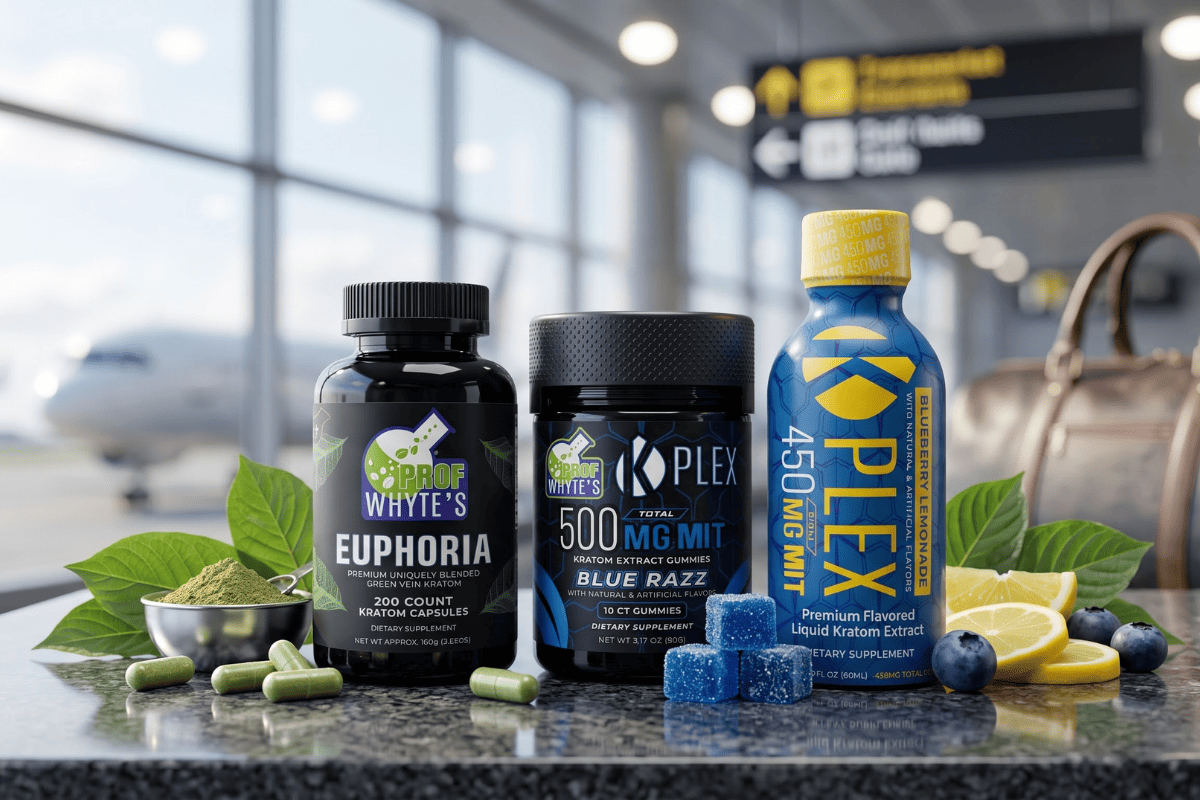
Shopping for a Kratom lover can be surprisingly tricky. Do you get them their favorite product, introduce them to a different format, or skip Kratom altogether and pick up a cool tumbler or T-shirt? The good news is, you have plenty of Kratom gift options. The best Kratom gifts for Labor Day weekend 2026 include Kratom gummies, extract shots, capsules, powders, Kratom-themed drinkware, apparel, and small accessories. The right choice depends on what the person already likes, how they're spending the long weekend, and whether you want to give them Kratom itself or simply something inspired by it. So, let's make the decision a little easier. Best Kratom Gift Ideas At A Glance If You're Shopping For... Consider... Why Someone who loves gummies Kratom gummies Fun and easy to gift Someone heading on a trip Kratom extract shots Compact liquid format A capsule fan Kratom capsules Simple and portable A longtime Kratom enthusiast Their preferred powder Sticks with what they already like Someone who has everything Kratom-themed merchandise No need to guess their preferred product A traveler or outdoor enthusiast Insulated tumbler Practical for a long weekend A tea or coffee lover Kratom-themed mug Useful everyday gift Someone who loves graphic tees Kratom apparel Personal and fun A small-gift shopper Stickers or decals Affordable and easy to add to a gift Someone you're close to Personalized gift combination Lets you mix products and accessories Table Of Contents: 10 Best Kratom Gift Ideas for Labor Day Weekend 2026 Best Kratom Gifts for Different Weekend Plans Kratom Gift Ideas by Budget Frequently Asked Questions About Kratom Gifts Final Thoughts: Choose A Kratom Gift That Feels Personal To Them 10 Best Kratom Gift Ideas for Labor Day Weekend 2026 Labor Day weekend is the perfect excuse to give someone a thoughtful gift before summer officially winds down. Whether they're taking a road trip, hosting a backyard BBQ, heading to the lake, or enjoying a quiet weekend at home, there's a Kratom gift that can fit the occasion. Here's where to start. 1. For the Friend Who Loves Gummies: Kratom Gummies If you already know your friend likes gummy, this one is pretty easy. Kratom gummies offer a different format from traditional powders and capsules, making them a fun option for someone who already enjoys this type of product. Professor Whyte's Blue Razz Kratom Gummies are a great pick and come in a resealable jar with a blueberry and mixed-berry flavor profile. The product also has third-party lab-testing information available for shoppers to review. Best for: Someone who already enjoys Kratom gummies or flavored formats. Gift tip: Pair the gummies with a tumbler, mug, or handwritten Labor Day card to make the Kratom gift box feel more personal. 2. For the Friend Taking a Road Trip: Kratom Extract Shots Labor Day weekend and road trips go together pretty well. If your recipient prefers liquid Kratom products, an extract shot is a compact option that can be easy to pack for a weekend away. Professor Whyte's offers several Kratom shot options, including products from its K-Plex and Ultimate Gold ones. Best for: Someone who prefers liquid formats and is heading away for the long weekend. Gift tip: Pair a shot with a reusable travel tumbler or another practical travel accessory. 3. For the Minimalist: Kratom Capsules Some people like to keep things simple. If your friend prefers capsules, there's no reason to overcomplicate their gift. Kratom Capsules offer a compact, pre-filled format that can be convenient for someone who already prefers this option. Professor Whyte's currently offers Calm, Euphoria, Uplift, and Trainwreck Capsules. Best for: Someone who already prefers capsules. Gift tip: If you know which product they normally choose, stick with it rather than guessing. 4. For the Kratom Traditionalist: Powder If your friend has been into Kratom for a while, there's a good chance they already know exactly what they like. For these people, Kratom powder may be the obvious choice. Professor Whyte's offers Calm, Euphoria, Uplift, and Trainwreck Powder, giving shoppers several options within the traditional powder format. Best for: Longtime Kratom enthusiasts who already prefer powder. Gift tip: Don't surprise a powder enthusiast with a completely different format unless you already know they're interested in trying something new. 5. For the Person Who Has Everything: A Kratom-Themed Tumbler Here's where you can stop worrying about choosing the "right" Kratom product. A tumbler is practical, reusable, and useful well beyond Labor Day weekend. It also fits naturally into road trips, backyard gatherings, camping trips, and outdoor weekends. Look for an insulated stainless-steel design with a style that matches the recipient's personality. Best for: Someone who already has their favorite Kratom products or simply loves useful drinkware. Gift tip: Choose a design they'll actually want to carry around rather than focusing solely on the Kratom theme. 6. For the Coffee or Tea Lover: A Kratom-Themed Mug Know someone who starts every morning with a giant mug of coffee or tea? You might have found their Labor Day gift. A Kratom-themed mug is a simple way to acknowledge someone's interest without buying them another Kratom product. You can find designs ranging from subtle and minimalist to playful and bold. Best for: Coffee and tea lovers. Gift tip: Pair the mug with a tea infuser, their favorite tea, or a handwritten note for a more personal touch. 7. For the Friend Who Loves Graphic Tees: Kratom Apparel Some gifts are useful. Others are just fun. A Kratom-themed T-shirt falls firmly into the second category—and that's not necessarily a bad thing. Choose a design that matches the recipient's personality, whether they prefer something understated or a more noticeable graphic. Best for: Someone who enjoys graphic tees and likes showing off their interests. Gift tip: Think about their everyday style before choosing a design. The best graphic tee is one they'll actually wear. 8. For the Small-Gift Shopper: Stickers and Decals Need something inexpensive? Or maybe you're putting together a larger gift and need a little something extra? Kratom-themed stickers and decals can do the job. They're easy to add to a notebook, water bottle, laptop, tumbler, or other personal item, making them a simple way to add some personality to a larger gift. Best for: Small gifts, gift baskets, and casual exchanges. Gift tip: Pick a design that reflects the recipient's personality instead of simply choosing the first Kratom-themed option you see. 9. For the Tea Lover: A Tea Infuser or Tea Accessory If your gift recipient enjoys tea, a quality tea infuser, reusable tea filter, or tea-making accessory can be a thoughtful addition to their Labor Day gift. You don't necessarily need a Kratom-specific accessory, either. A well-made reusable infuser paired with a favorite mug can make a simple gift feel much more intentional. Best for: Someone who enjoys tea and botanical products. Gift tip: Look for a reusable infuser that's easy to clean and fits their favorite mug or teapot. 10. For Your Favorite Kratom Enthusiast: Build a Personalized Gift Combination Can't choose just one thing? Don't. Put together a small gift combination instead. For example, you could pair: Their preferred Kratom product A Kratom-themed tumbler or mug A tea accessory A sticker or decal A handwritten Labor Day card The great thing about this approach is that you can make the gift as simple or elaborate as you want. Best for: A close friend, partner, family member, or anyone who deserves something a little more personal. Gift tip: You don't need an official gift bundle to create one. Pick a few items that make sense together and package them yourself. Best Kratom Gifts for Different Weekend Plans Labor Day isn't just another holiday. It's one of the last big long weekends of summer. So why not choose a gift that fits the weekend? Labor Day Plan Gift I'd Pick Road trip Compact format + travel tumbler Backyard BBQ Tumbler or mug Beach or lake day Insulated drinkware Weekend getaway Compact, easy-to-pack format Relaxing at home Preferred Kratom product Casual gift exchange Mug, T-shirt, or stickers Hosting friends Drinkware or personalized accessories Gift for a longtime enthusiast Their usual Kratom format The best gift doesn't have to scream "Labor Day." It just needs to fit naturally into what they're doing. Kratom Gift Ideas by Budget You don't need a huge budget to make the gift feel thoughtful. Under $15 Depending on current prices, smaller gifts can include: Stickers Decals Tea accessories Small accessories Lower-priced products These are great as standalone gifts or little additions to a larger gift. $15–$30 This price range opens up more options, depending on current pricing: Gummies Capsules Mugs T-shirts Tumblers Small gift combinations Always check the current product price before purchasing, as prices and availability can change. $30–$50 Consider: Larger Kratom products Premium drinkware Personalized merchandise Multi-item gift combinations $50+ If you're shopping for someone close to you, build a more substantial gift around what they already enjoy. Pairing a preferred Kratom product with quality drinkware or personalized merchandise can feel more thoughtful than simply buying the most expensive item available. Frequently Asked Questions About Kratom Gifts What are the best Kratom gifts for Labor Day weekend? The best Kratom gifts for Labor Day weekend include Kratom gummies, extract shots, capsules, powders, tumblers, mugs, T-shirts, stickers, decals, and tea accessories. The right choice depends on the recipient's preferred format, interests, and Labor Day plans. What can I buy for someone who loves Kratom? You can buy a Kratom product in their preferred format or choose a Kratom-themed gift such as a tumbler, mug, T-shirt, sticker, or tea accessory. If you don't know what product they prefer, merchandise is an easy alternative. Are Kratom gummies a good gift? Kratom gummies can be a good gift for someone who already prefers gummy-style products. Professor Whyte's Blue Razz Kratom Gummies are one option, with product information and testing details available from the brand. What is a good Kratom gift for a beginner? If you're unsure what a beginner prefers, a Kratom-themed accessory such as a mug, tumbler, T-shirt, or sticker can be a simple choice. If giving a Kratom product, choose one with clear labeling and information that the recipient can review themselves. What are good Kratom gifts for him? For Kratom gifts for him, think about his hobbies and how he spends his free time. A travel tumbler can work well for someone who is always on the road, while a Kratom-themed T-shirt or practical accessory may suit someone who enjoys showing off his interests. If you know his favorite Kratom format, choosing a product he already enjoys can make the gift even more personal. What are good Kratom gifts for her? When choosing Kratom gifts for her, consider putting together a more personalized gift set. A favorite Kratom product paired with a mug, tea infuser, tumbler, or small accessory can turn a simple present into something thoughtful. For someone who already has her favorite products, Kratom-inspired apparel or drinkware can be a fun alternative. What are some non-Kratom gifts for Kratom lovers? Popular non-Kratom gifts include Kratom-themed tumblers, mugs, T-shirts, stickers, decals, artwork, and tea accessories. These options are particularly useful when you don't know which Kratom product or format someone prefers. What are some inexpensive Kratom gift ideas? Stickers, decals, tea accessories, mugs, and smaller products can make inexpensive Kratom gift ideas. A small accessory can also be added to a larger gift to make it feel more personal. What should I consider before giving Kratom as a gift? Consider the recipient's preferences, age, local laws, and the product's labeling and testing information. If you don't know whether they use Kratom or which format they prefer, a Kratom-themed accessory may be a better choice. Final Thoughts: Choose A Kratom Gift That Feels Personal To Them You don't need to find the most expensive Kratom gift—or even a Kratom product at all. If your friend loves gummies, you already know where to start. If they're always traveling, choose something compact. If they've got a shelf full of their favorite products, skip the extra jar and grab them a tumbler, mug, or T-shirt instead. And if you're still not sure? Think about what they'd actually use after Labor Day weekend. That's usually where the best gift ideas come from. For Kratom products across gummies, shots, capsules, and powders, explore Professor Whyte's current collection and choose a format that matches the recipient's preferences. Disclaimer: Kratom products are intended for adults only. Before purchasing or gifting Kratom, check applicable local laws and product information. Always follow the product label and use responsibly.
Continue Reading
Akuamma vs Kratom: What's the Difference?
Akuamma and Kratom are different botanicals with different plant sources, geographic origins, plant parts, and alkaloid profiles. Akuamma comes from Picralima nitida, a tree native to West Africa, while Kratom comes from Mitragyna speciosa, a tree native to Southeast Asia. Akuamma is primarily associated with its seeds, whereas Kratom is primarily associated with its leaves. Both plants contain naturally occurring alkaloids and have histories of traditional use, but their chemistry and scientific research aren't the same. If you're trying to understand Akuamma vs Kratom, the easiest place to start is with where these botanicals come from and what compounds researchers have identified in them. Table Of Contents: Kratom vs Akuamma At A Glance Akuamma vs Kratom: Key Takeaways What Is Akuamma? What Is Kratom? Akuamma vs Kratom: What's the Actual Difference? FAQs Kratom vs Akuamma At A Glance Features Akuamma Kratom Botanical name Picralima nitida Mitragyna speciosa Plant family Apocynaceae Rubiaceae Native region West and Central Africa Southeast Asia Plant part commonly used Seeds Leaves Notable alkaloids Akuammine, akuammicine, akuammidine, akuammigine Mitragynine, 7-hydroxymitragynine, and others Traditional history West African traditional practices Southeast Asian traditional practices Research base Limited and developing More extensive, but still developing The short version: different plants, different plant parts, different alkaloids, and different research histories. Akuamma vs Kratom: Key Takeaways Akuamma comes from Picralima nitida. Kratom comes from Mitragyna speciosa. Akuamma is primarily associated with seeds; Kratom is primarily associated with leaves. Their alkaloid profiles are different. Kratom has a much larger modern research base than Akuamma. What Is Akuamma? Let's start with the less familiar of the two. Akuamma is commonly used to refer to Picralima nitida, a tropical tree found in parts of West and Central Africa. It belongs to the Apocynaceae family. The seeds are the part most commonly associated with Akuamma preparations. Why are researchers interested in them? Mainly because the seeds contain several naturally occurring alkaloids, including: Akuammine Akuammicine Akuammidine Akuammigine Pseudoakuammigine Scientists have investigated these compounds for their chemical and pharmacological properties, but the overall research base for Akuamma is still relatively small. What Are Akuamma Seeds? Akuamma seeds are the small seeds found inside the fruit of the Picralima nitida tree. Once the fruit matures, the seeds can be collected and processed for use in traditional and botanical preparations. The seeds have been used traditionally in parts of West Africa, where Picralima nitida has been valued as a medicinal plant for generations. Today, Akuamma seeds are also available as a dried botanical ingredient, including in powdered form. Their composition can vary depending on factors such as the plant's growing conditions, maturity, and how the seeds are processed. What Is Kratom? Kratom comes from Mitragyna speciosa, a tropical tree native to Southeast Asia. If you've spent any time reading about Kratom products, you've probably seen the name Mitragynine come up. There's a reason for that: Mitragynine is one of the most extensively studied alkaloids naturally found in Kratom. Kratom leaves also contain 7-hydroxymitragynine (7-OH) and several other naturally occurring alkaloids. The plant belongs to the Rubiaceae family, making it a relative of the coffee plant. Akuamma vs Kratom: What's the Actual Difference? Here's where things get interesting. The two botanicals have a few things in common, but the differences are pretty simple once you know what to look for. 1. They Come From Different Plants This is the easiest difference. Akuamma comes from Picralima nitida, and Kratom comes from Mitragyna speciosa. They're also members of different plant families, so Akuamma isn't simply another variety of Kratom. Think of it as two different plants that happen to come up in some of the same botanical conversations. 2. Different Parts of the Plant Are Used Here's another easy one. With Akuamma, the seeds are the plant material most commonly associated with traditional and modern preparations. But with Kratom, it's primarily the leaves. That matters because different parts of a plant can contain different concentrations and combinations of naturally occurring compounds. 3. Their Alkaloids Aren't the Same Akuamma seeds contain alkaloids such as: Akuammine Akuammicine Akuammidine Akuammigine Pseudoakuammigine Kratom leaves contain: Mitragynine 7-hydroxymitragynine Speciociliatine Paynantheine Speciogynine Other naturally occurring alkaloids For the whole composition, check out our blog on Kratom Alkaloids List. So although both plants contain indole alkaloids, that doesn't mean they contain the same compounds. For example, akuammine isn't Mitragynine. They're different alkaloids from different botanical sources. 4. They Come From Different Parts Of The World Their origins are separated by thousands of miles. Akuamma: West and Central Africa Kratom: Southeast Asia That geographic difference also helps explain why the plants developed separate histories of traditional use. 5. Kratom Has Been Studied More Extensively Kratom has attracted substantially more modern scientific research than Akuamma. Researchers have investigated its alkaloids, chemistry, pharmacology, metabolism, and potential risks. Akuamma has a much smaller research base, although scientists continue to investigate its alkaloids and their properties. In Short: Akuamma vs Kratom Akuamma → Picralima nitida → seeds → akuammine and related alkaloids Kratom → Mitragyna speciosa → leaves → Mitragynine and related alkaloids Related blogs : Kratom Alkaloids Beyond Mitragynine: A List of Compounds Found in the Kratom Leaf Kratom vs CBD: What’s the Difference? Kratom Vs Kava: What Are The Key Differences? FAQs So, is Akuamma the same as Kratom? No, Akuamma comes from Picralima nitida. Kratom comes from Mitragyna speciosa. They have different plant parts, different alkaloid profiles, different botanical families, and different geographic origins. They may be discussed together, but they're not the same botanical. Is Akuamma related to Kratom? Not as different versions of the same plant. Akuamma belongs to the Apocynaceae family, while Kratom belongs to the Rubiaceae family. The reason you'll sometimes see them compared is their naturally occurring alkaloids and their histories of traditional use—not because Akuamma is a form of Kratom. Does Akuamma contain Mitragynine? No, Mitragynine is a naturally occurring alkaloid associated with Mitragyna speciosa, the botanical source of Kratom. Akuamma has its own group of alkaloids, including akuammine and akuammicine. Which is stronger: Akuamma or Kratom? Kratom has been studied more extensively. There is a much larger body of modern scientific literature examining Mitragyna speciosa and its alkaloids, particularly Mitragynine and 7-hydroxymitragynine. Akuamma has received less research attention, although studies continue to examine Picralima nitida and its individual alkaloids. For both botanicals, research is still developing, so individual study findings should be considered within the broader evidence rather than treated as definitive conclusions. Are Akuamma seeds and Kratom leaves the same? No, Akuamma seeds come from Picralima nitida, while Kratom leaves come from Mitragyna speciosa. Disclaimer: This article is for educational purposes only and isn't intended to diagnose, treat, cure, or prevent any disease. Research on Akuamma and Kratom is ongoing, and traditional use shouldn't be interpreted as proof of medical effectiveness. If you have questions about botanicals, medications, or potential interactions, consult a qualified healthcare professional.
Continue Reading
How To Make Refreshing Kratom Iced Tea
Kratom Iced Tea is a homemade chilled tea drink made by combining a tea base, Kratom powder, and flavor additions like citrus, fruits, herbs, or sweeteners. After preparing the tea, combine the ingredients, chill, and serve over ice for a refreshing iced Kratom tea. Making a homemade Kratom tea recipe does not have to be complicated. I like starting with a simple tea base, adding one or two flavors, and then experimenting from there. A small change, like switching from black tea to green tea or adding fresh fruit, can completely change the final drink. In this guide, I’ll walk you through how to make Kratom Iced Tea, share beginner-friendly flavor combinations, explain how to choose the right tea base, and answer common questions about homemade Kratom beverages. Key Takeaways: Kratom Iced Tea combines tea, Kratom powder, and flavor additions into a customizable homemade beverage. The tea base you choose creates the foundation for the entire recipe. Citrus, fruit, and herbs are simple ways to create new iced Kratom tea flavors. Starting with simple ingredients makes it easier to find combinations you enjoy. Homemade Kratom tea gives you more flexibility to experiment with different recipes. Table Of Contents: Ingredients You Need to Make Kratom Iced Tea How to Make Refreshing Kratom Iced Tea (Step-by-Step) 3 Refreshing Kratom Iced Tea Recipes To Try How To Choose The Best Tea Base For Kratom Iced Tea Beginner Tips For Making Better Kratom Iced Tea Common Mistakes When Making Kratom Iced Tea FAQs Kratom Iced Tea Recipe At A Glance Details Information Preparation style Homemade Iced Tea Main ingredient Kratom powder Tea options Black tea, green tea, herbal tea, fruit tea Flavor ideas Lemon, mint, peach, berries Difficulty Beginner-friendly Best part Easy to customize with different flavors Ingredients You Need to Make Kratom Iced Tea The best part about making a homemade Kratom Iced Tea recipe is that you do not need a long list of ingredients. Here are the basics you need: Ingredient Purpose Tea base Creates the main flavor foundation Kratom powder The key ingredient in your homemade recipe Water Used to prepare the tea Citrus fruits Adds bright, refreshing flavors Fruit additions Creates different flavor combinations Sweeteners Helps balance flavors Herbs Adds extra freshness Ice Creates the classic Iced Tea experience Kratom powder is the main ingredient used in a homemade Kratom tea recipe. The variety you choose can be paired with different tea bases and flavors depending on the type of drink you want to create. For those exploring different options, Professor Whyte’s offers a range of Kratom powder options that can be used as a starting point for homemade Kratom beverages. How to Make Refreshing Kratom Iced Tea (Step-by-Step) Making your own iced Kratom tea is simple. I recommend starting with a basic recipe first and then experimenting with flavors once you find a combination you enjoy. Step 1: Choose Your Tea Base Your tea base sets the personality of your drink. Here are some easy options: Tea Type Flavor Style Black tea Classic Iced Tea flavor Green tea Light and refreshing Herbal tea Fruit and herb-inspired blends Fruit tea Sweet and colorful flavor combinations Step 2: Prepare Your Tea Prepare your tea according to the instructions for your chosen tea type. Once your tea is ready: Allow it to cool Transfer it into a pitcher or glass Prepare your flavor additions Cooling the tea before adding your other ingredients helps create a smoother Iced Tea recipe. Step 3: Add Kratom Powder And Flavor Ingredients Once your tea has cooled, add your chosen Kratom powder and your preferred flavor additions. Some easy combinations include: Lemon + mint Peach + black tea Strawberry + hibiscus tea Mango + tropical fruit tea Looking to switch things up? You can also try making this recipe with Professor Whyte's Trainwreck Kratom Powder. Since it's a blend of multiple Kratom varieties, it's a fun choice for experimenting with different iced tea flavors, whether you prefer bright citrus, juicy berries, or tropical fruit infusions. Step 4: Chill And Serve Pour your finished drink over ice and add any final touches. Some simple additions that make the drink feel more refreshing: Fresh lemon slices Mint leaves Fresh berries Fruit pieces 3 Refreshing Kratom Iced Tea Recipes To Try One of my favorite things about making homemade Kratom Iced Tea is experimenting with different flavor combinations. Here are three beginner-friendly recipes to try. 1. Lemon Mint Kratom Iced Tea Flavor profile: Bright, crisp, and refreshing. This is one of the easiest combinations to start with because lemon and mint naturally complement Iced Tea flavors. Ingredients: Green tea or black tea Lemon slices Fresh mint Kratom powder Why it works: The citrus adds a bright flavor, while mint gives the drink a fresh finish. If you're looking to recreate this citrus-inspired recipe, Professor Whyte's Uplift Kratom Powder pairs naturally with the bright lemon and fresh mint combination, making it an easy choice for this refreshing iced tea. 2. Peach Berry Kratom Iced Tea Flavor profile: Fruity, sweet, and summer-inspired. This recipe is great if you prefer fruit-forward drinks. Ingredients: Black tea Peach flavor Strawberries or blueberries Kratom powder Why it works: The richness of black tea pairs well with sweet fruit flavors, creating a familiar Iced Tea combination. For this fruit-forward recipe, you can also try Professor Whyte's Calm Kratom Powder. Its smooth profile complements the classic black tea, peach, and berry combination in this homemade iced tea. 3. Tropical Kratom Iced Tea Flavor profile: Bright and refreshing. This recipe brings together tropical flavors for a fun twist. Ingredients: Fruit tea or green tea Mango Pineapple Lime Kratom powder Why it works: Tropical fruits add a refreshing flavor combination that works well with lighter tea bases. If tropical flavors are your favorite, Professor Whyte's Euphoria Kratom Powder is a great option for this recipe. It pairs well with mango, pineapple, and lime for a bright, refreshing homemade iced tea. How To Choose The Best Tea Base For Kratom Iced Tea Choosing your tea base is one of the easiest ways to change your recipe. Black Tea Best for: Classic Iced Tea recipes Peach flavors Lemon combinations Green Tea Best for: Mint flavors Citrus blends Tropical recipes Herbal Tea Best for: Berry combinations Floral flavors Fruit-inspired drinks Fruit Tea Best for: Colorful recipes Sweet fruit combinations Summer-inspired blends Beginner Tips For Making Better Kratom Iced Tea If you are making your first homemade Kratom Iced Tea, these tips can help: Start with flavors you already enjoy. Choose one main fruit flavor instead of mixing too many. Let your tea base guide your ingredient choices. Experiment with seasonal fruits. Keep your first recipe simple. A great homemade recipe usually starts with a few ingredients and grows from there. Common Mistakes When Making Kratom Iced Tea Mistake How To Improve It Adding too many flavors Start with one main flavor Mixing flavors that compete Choose ingredients that naturally pair together Ignoring the tea base Match your flavors with the type of tea Making the recipe too complicated Begin with simple combinations Not experimenting Try new fruits, teas, and flavor ideas FAQs What Is Kratom Iced Tea? Kratom Iced Tea is a chilled tea-based beverage made by combining Kratom powder with a prepared tea base and flavor additions like fruits, citrus, herbs, or sweeteners. It is a customizable homemade drink that allows you to experiment with different tea varieties and flavor combinations, similar to creating your own Iced Tea recipe. What Is The Difference Between Kratom Tea And Kratom Iced Tea? The main difference between Kratom tea and Kratom Iced Tea is the way the drink is prepared and served. Traditional Kratom tea is usually served warm, while Kratom Iced Tea is cooled and poured over ice. Both can use a tea base, Kratom powder, and additional ingredients for flavor customization. Can You Make Cold Brew Kratom Tea? Yes, you can make a cold brew-style Kratom tea by preparing the tea using a longer steeping process with cold water instead of traditional hot brewing methods. Cold brew recipes can create a lighter flavor profile and work well with fruit-based additions like berries, citrus, and tropical flavors. Can You Make Kratom Iced Tea Ahead Of Time? Yes, you can prepare Kratom Iced Tea ahead of time and store it until you are ready to serve it. Making it in advance can also allow the flavors from the tea, fruits, and herbs to blend together. For the best freshness, store homemade iced Kratom tea in a sealed container and keep it chilled. How Long Does Kratom Iced Tea Last? Homemade Kratom Iced Tea can typically be stored in the refrigerator for a short period while maintaining its freshness. How long it lasts depends on the ingredients used, especially fresh fruit, herbs, and sweeteners. Keeping it in a sealed container and adding fresh garnishes before serving can help preserve the drink quality. Can You Mix Kratom With Iced Tea? Yes, Kratom powder can be mixed with Iced Tea to create a homemade Kratom tea drink. Many recipes combine a tea base with Kratom powder along with ingredients like lemon, berries, mint, or other flavor additions to create customized iced Kratom tea combinations. How Do You Make Kratom Tea Less Bitter? You can make Kratom tea less bitter by adding flavors that help balance the herbal notes, such as citrus, fruits, herbs, or sweeteners. Popular additions include lemon, lime, mint, peach, berries, and honey-inspired flavors. Choosing a tea base that complements the recipe can also help create a more balanced drink. If you’re looking for more inspiration, explore different Kratom tea recipes for beginners to find flavor combinations that match your preferences. What Is The Best Tea Base For Kratom Iced Tea? The best tea base for Kratom Iced Tea depends on the flavor profile you want to create. Black tea works well for classic Iced Tea recipes, while green tea pairs well with lighter citrus and mint combinations. Herbal and fruit teas are great choices for berry, tropical, and fruit-inspired Kratom Iced Tea recipes. What Flavors Pair Well With Kratom Iced Tea? Popular flavors that pair well with Kratom Iced Tea include lemon, mint, peach, berries, mango, and other citrus or fruit combinations. For a classic recipe, try lemon and mint. For a sweeter option, peach, strawberry, or tropical fruit flavors can create a refreshing homemade Iced Tea blend. What Ingredients Can You Add To Kratom Iced Tea? Common ingredients added to Kratom Iced Tea include fresh fruits, citrus slices, herbs, sweeteners, and different tea varieties. Some popular additions include lemon, lime, mint, berries, peach, mango, basil, and fruit teas. These ingredients can help create different flavor combinations and personalized homemade Kratom beverages. Disclaimer: This recipe guide is intended for informational purposes only. Kratom products and regulations vary by location. Always research local laws and consult a qualified professional with any questions related to kratom use.
Continue Reading
Kratom For Sleep: Benefits & Tips
Kratom for Sleep Can Kratom actually help you sleep, or is the connection based mostly on user experience? Kratom, also known as Mitragyna speciosa, is a Southeast Asian botanical containing naturally occurring alkaloids, with Mitragynine being the most prominent. Some users associate certain Kratom products, particularly red vein varieties, with nighttime use. However, the evidence behind Kratom for sleep is still limited. Kratom has not been clinically established as a treatment for insomnia, and individual experiences can vary widely depending on the product, metabolism, frequency of use, and other factors. In this guide, we’ll examine what research and user reports suggest about Kratom for sleep, why red vein Kratom is commonly linked with nighttime routines, and what you should understand about Kratom dosage, safety, and potential risks before drawing conclusions. 📖 Why You Need To Read This Guide See what research says about Kratom for sleep Understand the limits of using Kratom for insomnia Learn why red vein products are linked to nighttime use Review key dosage and safety considerations Table Of Contents: Does Kratom Help With Sleep? Potential Benefits Of Kratom For Sleep Does Red Vein Kratom Support Sleep? What Should You Know About Kratom Dosage For Sleep? Tips For A Safer Kratom Nighttime Routine Frequently Asked Questions Final Thoughts Does Kratom Help With Sleep? The answer is not a simple yes or no. Some users report feeling more relaxed or drowsy after taking Kratom, which may make it easier for them to settle down at night. However, this does not mean Kratom reliably improves sleep quality or works the same way for everyone. Individual experiences may vary depending on factors such as metabolism, body composition, product strength, frequency of use, health conditions, and the use of other substances or medications. In some cases, Kratom may also cause restlessness, discomfort, or disrupted sleep. So, while some people associate Kratom with a calmer nighttime experience, its effect on sleep remains unpredictable. Potential Benefits Of Kratom For Sleep Some users report that Kratom may help them: Feel more settled before bed Manage discomfort and pain that interferes with sleep Fall asleep more easily Create a smoother transition into their nighttime routine However, these benefits are based largely on individual reports and limited research. Kratom is not an approved treatment for insomnia, and responses can vary. Does Red Vein Kratom Support Sleep? Red Vein Kratom sleep is commonly discussed because red varieties are often associated with nighttime use. Some users include them in a Kratom nighttime routine to feel more settled before bed. However, no Kratom strain is clinically proven to improve sleep, and individual responses can vary. Red Vein Kratom should therefore be viewed as a commonly marketed nighttime option, not a guaranteed sleep aid. What Should You Know About Kratom Dosage For Sleep? There is no clinically established Kratom dosage for sleep. Responses may change based on the amount taken, product strength, and frequency of use. Here is what you need to know: How Kratom May Affect Sleep Factor Possible Sleep Impact Amount Taken Lower amounts may feel more alerting, while higher amounts may cause drowsiness. Product Strength Alkaloid concentration can vary between products, making nighttime responses less predictable. Frequency of Use Regular use may contribute to tolerance, dependence, or changes in sleep patterns. Why Kratom May Not Be Suitable For Long-Term Sleep Support What may seem helpful in the moment can become less predictable when Kratom is used repeatedly as part of a sleep routine. Tolerance May Develop Repeated use may reduce the same response over time, leading some users to take larger amounts and face greater risks. Dependence Can Affect Sleep Regular use may cause dependence. Stopping can lead to insomnia, restlessness, muscle discomfort, and other withdrawal symptoms. Tips For A Safer Kratom Nighttime Routine Avoid treating Kratom as a substitute for insomnia care Do not combine it with alcohol, sedatives, or other substances Check product strength and lab-testing information Avoid increasing the amount when the response changes Stop and seek medical advice if sleep problems persist or worsen Frequently Asked Questions 1. Is Kratom for insomnia effective for everyone? No. Kratom for insomnia does not affect everyone the same way. Responses may vary based on product strength, metabolism, frequency of use, health conditions, and other substances or medications involved. 2. Which Kratom strain is considered the best Kratom for sleep? Red Vein Kratom is most commonly associated with nighttime use. However, no strain has been clinically proven to be the best Kratom for sleep, and individual responses can vary. 3. Is it safe to combine Kratom with sleep medication? No. Combining Kratom with sedatives, alcohol, sleep medications, or other substances may increase adverse-effect risks. A healthcare professional should assess possible interactions. 4. Can Kratom help you relax before bed? Some users report feeling more settled or relaxed after using Kratom. However, this response is not universal and does not confirm improved sleep quality. 5. Can occasional Kratom use support better sleep? Some occasional users report relaxation or easier sleep onset, but results vary. Even occasional use may cause unwanted effects or interactions. Final Thoughts As we wrap up, remember that Kratom for sleep is not a guaranteed solution. Before considering it, understand both the potential benefits and possible risks associated with Kratom use, review reliable research, consider your health conditions, and speak with a qualified healthcare professional when needed. Disclaimer: This article is for educational purposes only and does not provide medical advice. Kratom is not an approved treatment for insomnia or other sleep disorders. Consult a qualified healthcare professional before using Kratom, especially if you take medications or have an existing health condition. References: Singh, D., Narayanan, S., & Vicknasingam, B. (2016). “Traditional and Non-Traditional Uses of Mitragynine (Kratom): A Survey of the Literature.” Brain Research Bulletin, 126(1), 41–46. ScienceDirect Mun, C. J., et al. (2025). “Is Bedtime Use of Kratom (Mitragyna speciosa) a Sleep Aid or Disruptor? Examining Its Daily Effects and Individual Differences.” Drug and Alcohol Dependence. PubMed WebMD Editorial Contributors. “Kratom: Uses, Health Benefits, and Possible Risks.” WebMD. View source Swogger, M. T., Smith, K. E., Garcia-Romeu, A., Grundmann, O., Veltri, C. A., Henningfield, J. E., & Busch, L. Y. (2022). “Understanding Kratom Use: A Guide for Healthcare Providers.” Frontiers in Pharmacology, 13, 801855. PubMed Central Banyan Treatment Centers. “How Does Kratom Affect Sleep? Issues, Causes, and What to Do.” View source Mun, C. J., et al. (2025). “Kratom (Mitragyna speciosa) Use for Self-Management of Chronic Pain: Results From a Cross-Sectional Study.” The Journal of Pain. ScienceDirect Nova Recovery Center. “Red Kratom: Benefits and Risks Explained.” View source European Union Drugs Agency. “Kratom (Mitragyna speciosa) Drug Profile.” View source Elsevier. “Alkaloid—An Overview.” ScienceDirect Topics. View source Renew Health. “Kratom Withdrawal: Understanding Symptoms, Risks, and Pathways to Recovery.” View source Pathways Recovery. “Kratom and Alcohol: Dangerous Interactions.” View source Striley, C. W., Hoeflich, C. C., Viegas, A. T., Berkowitz, L. L., Matthews, E. G., & McCurdy, C. R. (2022). “Health Effects Associated With Kratom (Mitragyna speciosa) and Polysubstance Use: A Narrative Review.” Substance Abuse: Research and Treatment, 16. PubMed Central
Continue Reading
Kratom FDA Status 2026: Latest Updates Explained
Kratom FDA Status 2026 As of 2026, Kratom is not approved by the U.S. Food and Drug Administration (FDA) for any medical use, dietary supplement, or conventional food. The FDA continues to advise consumers against using Kratom products because of safety concerns and maintains enforcement actions against unlawfully marketed products. At the same time, natural botanical Kratom remains federally unscheduled, while federal regulators have increased scrutiny of high-concentration and synthetic 7-hydroxymitragynine (7-OH) products, which are treated differently from natural Kratom. If you're looking for the latest news on Kratom FDA status in 2026, this guide will help you understand the differences among FDA approval, federal regulation, and recent enforcement actions. Key Takeaways ✔️ What You Should Know FDA approval Kratom is not FDA-approved for any medical use. Federal status Natural Kratom is not federally scheduled under the Controlled Substances Act. FDA position The FDA continues to warn consumers about potential safety risks and unlawful marketing. 2026 update Federal agencies are focusing on high-concentration and synthetic 7-OH products, not all-natural Kratom. State laws Kratom laws still vary from state to state. Table Of Contents: What Is the FDA's Current Position on Kratom? Is Kratom FDA-approved? Does the FDA Ban Kratom? FDA vs. DEA: Understanding Their Roles in Kratom Regulation What Happened With 7-Hydroxymitragynine (7-OH) in 2026? Kratom’s Regulatory Timeline Additional Questions About Kratom FDA Status 2026 What Is the FDA's Current Position on Kratom? Quick answer: The FDA does not approve or recognize Kratom as a safe or effective drug, dietary supplement, or food ingredient. The agency continues to advise consumers against using Kratom products and takes enforcement action against companies that market unlawful products or make unapproved health claims. Here's what the FDA currently says: There are no FDA-approved prescription medications containing Kratom. There are no FDA-approved over-the-counter Kratom products. Kratom is not considered a lawful dietary supplement under the FDA's current interpretation. Kratom cannot legally be added to conventional foods under current FDA policy. The agency continues to issue warning letters and pursue enforcement against companies making unapproved therapeutic claims or selling unlawful products. Here's a quick overview of the “FDA Kratom status 2026” to help you understand the current federal position before diving into the details. FDA's Current Regulatory Position At A Glance Topic FDA Position (2026) FDA-approved medicine ❌ No Dietary supplement ❌ Not recognized as lawful Conventional food ingredient ❌ Not permitted under the current FDA position Approved medical use ❌ None Ongoing enforcement ✔️ Yes Is Kratom FDA-approved? No, as of 2026, Kratom is not FDA-approved for treating any disease or medical condition. This applies to: Powders Capsules Extracts Tablets Gummies Drink Mixes Liquid Shots No Kratom product has completed the FDA's drug approval process or been approved as a prescription or over-the-counter medicine. Why Isn't Kratom FDA-Approved? The FDA's drug approval process requires manufacturers to demonstrate that a product is safe and effective for its intended use through scientific evidence and clinical data. According to the FDA, Kratom has not met these requirements. As a result, the agency has not approved it for any medical use and continues to evaluate emerging research while warning consumers against using Kratom as a treatment for medical conditions. FDA Approval Doesn't Always Mean Something Is Illegal One of the biggest misconceptions is that "not FDA approved" automatically means "illegal." That's not necessarily true. Many products sold in the U.S. are not FDA-approved drugs, yet their legal status depends on other federal and state laws. For Kratom, it's important to distinguish between FDA approval and federal drug scheduling. FDA Approval vs Federal Legality Question Answer Is Kratom FDA-approved? ❌ No. The FDA has not approved Kratom for any medical use. Is Kratom federally illegal? ❌ No. Natural botanical Kratom is not currently scheduled as a controlled substance under federal law. Can the FDA still regulate Kratom products? ✔️ Yes. The FDA can take action related to product claims, labeling, imports, and products that violate federal regulations. Can states create their own Kratom laws? ✔️ Yes. States can regulate, restrict, or prohibit Kratom regardless of its federal status. Check Kratom’s legality updates in detail with our guide “Is Kratom Legal? State By State Laws” Does the FDA Ban Kratom? Not exactly. The FDA has not classified natural kratom as a federally banned substance. However, the agency can take regulatory action against kratom products that it believes violate federal requirements. One example is FDA Import Alert 54-15 for kratom products, which allows certain imported kratom products to be detained without physical examination when they appear to violate FDA regulations. This does not mean that all kratom products are federally banned, but it does show that the FDA actively monitors and regulates kratom imports. It also has authority to: Issue warning letters, Maintain import alerts, Seize unlawfully marketed products, Work with U.S. Customs and Border Protection on imports, and Take enforcement action against companies violating federal law. Whether a substance becomes a controlled drug under federal law is primarily handled by the Drug Enforcement Administration (DEA), often in coordination with the Department of Health and Human Services. FDA vs. DEA: Understanding Their Roles in Kratom Regulation One of the biggest sources of confusion is that the FDA and the DEA have different responsibilities. While both agencies are involved in federal oversight, they regulate Kratom in different ways. FDA vs DEA At A Glance FDA (Food and Drug Administration) DEA (Drug Enforcement Administration) Regulates foods, drugs, dietary supplements, and medical products Enforces the Controlled Substances Act (CSA) Reviews and approves prescription drugs Determines whether a substance should be scheduled as a controlled substance Issues warning letters to companies making unlawful health claims Investigates and enforces federal drug laws Maintains import alerts for products that may violate federal regulations Can temporarily or permanently schedule substances after following the required legal process Oversees product labeling, manufacturing, and marketing compliance Focuses on illegal trafficking and controlled substances In simple terms, the FDA determines how Kratom products can be marketed and sold, while the DEA determines whether a substance should be classified as a controlled drug under federal law. What Happened With 7-Hydroxymitragynine (7-OH) in 2026? One of the biggest regulatory developments in 2026 involved 7-hydroxymitragynine (7-OH), a compound associated with kratom. In July 2026, the Drug Enforcement Administration (DEA) announced its intent to temporarily place certain 7-OH products and related substances into Schedule I of the Controlled Substances Act. The action focuses on products containing elevated concentrations of 7-OH and certain synthetic 7-OH-related compounds. However, this action does not mean that all natural botanical kratom products have been federally scheduled. The DEA specifically distinguished between: Product Type 2026 Federal Status Natural botanical kratom containing naturally occurring compounds Not the target of this temporary scheduling action High-concentration 7-OH products Subject to DEA scheduling action Synthetic 7-OH-related substances Targeted for federal control Why Is 7-OH Different From Natural Kratom? Kratom (Mitragyna speciosa) naturally contains several alkaloids, including mitragynine and small amounts of 7-hydroxymitragynine (7-OH). The recent federal focus is not on the existence of naturally occurring 7-OH in kratom leaves. Instead, it centers on products that contain elevated concentrations of 7-OH or chemically modified 7-OH-related substances. According to the DEA, these actions are aimed at products that contain higher levels of 7-OH than what naturally occurs in botanical kratom. Kratom’s Regulatory Timeline To better understand the “Kratom FDA status 2026”, let's look at the major regulatory developments and what they mean for consumers and businesses. Year Regulatory Development Why It Matters 2014 FDA increased oversight of imported Kratom products through import alerts. Marked the beginning of stronger federal enforcement against imported products. 2016 DEA announced plans to temporarily schedule Kratom alkaloids but later withdrew the proposal after receiving public comments. Natural Kratom remained federally unscheduled. 2018 FDA issued additional public safety communications and warning letters to companies making unlawful health claims. Reinforced the agency's position that Kratom is not FDA-approved. 2019–2025 The FDA continued to issue warning letters, maintain import alerts, and take action against companies violating federal regulations. The FDA's overall regulatory approach remained consistent. 2026 Federal attention increased on certain high-concentration and synthetic 7-hydroxymitragynine (7-OH) products, while the FDA's position on natural botanical Kratom remained unchanged. Recent headlines largely relate to these products rather than a change in the FDA's stance on natural Kratom. So, What Has Actually Changed in 2026? Topic 2026 Status FDA approval of Kratom No change — Kratom remains unapproved. FDA consumer warnings No change — The FDA continues to advise consumers against using Kratom products. FDA import alerts Remain in effect for products that may violate federal law. Natural botanical Kratom Still federally unscheduled. High-concentration or synthetic 7-OH products Subject to increased federal scrutiny and enforcement. Key takeaway: The FDA's position on natural Kratom has not fundamentally changed in 2026. Most recent federal developments focus on specific 7-OH products, not on all Kratom products. Additional Questions About Kratom FDA Status 2026 Does the FDA regulate Kratom imports? Yes. The FDA can take action against imported Kratom products that violate federal regulations. This includes maintaining import alerts that allow certain shipments to be detained without physical examination when they appear to be non-compliant. Can doctors prescribe Kratom in the United States? No. Because Kratom is not an FDA-approved medication, healthcare providers cannot prescribe it as an approved treatment for any medical condition. Does FDA approval affect how Kratom products are marketed? Yes. Companies cannot legally market Kratom products with claims that they diagnose, treat, cure, or prevent diseases unless those claims have been reviewed and approved by the FDA. Could the FDA's position on Kratom change in the future? Federal policies can evolve as new scientific evidence, safety data, and regulatory reviews become available. Consumers and businesses should monitor official FDA announcements for the latest developments. Can companies legally sell Kratom if it isn't FDA-approved? In some states, yes. The absence of FDA approval does not automatically make a product illegal to sell. However, companies must comply with applicable federal and state laws, including restrictions on product labeling, marketing claims, and manufacturing practices. State-specific regulations may also affect whether Kratom products can be sold in a particular jurisdiction. Brands like Professor Whyte's focus on providing product information and third-party lab testing details to help customers make more informed decisions about their Kratom products. Why do some states regulate Kratom differently? Although the FDA establishes certain federal regulatory policies, states have the authority to adopt their own laws regarding the sale and possession of Kratom. As a result, regulations can vary significantly across the United States. Where can I find official updates about Kratom regulations? The most reliable information comes from official government sources, including the U.S. Food and Drug Administration (FDA), the Drug Enforcement Administration (DEA), and state government websites for state-specific laws. Disclaimer: This article is for informational purposes only and should not be considered medical or legal advice. Kratom regulations and FDA policies may change over time. Always refer to official government sources for the most current information.
Continue Reading
Kratom Orange Juice: What Happens When You Mix Them?
You know how some combinations sound a little odd until you realize there is a reason people keep talking about them? Kratom orange juice is one of those pairings. Yes, you can mix Kratom with orange juice, and many people are drawn to the combination because the sweet, tangy citrus flavor can make Kratom’s earthy bitterness less noticeable. But that is where the simple answer ends. Kratom powder may clump, float, or settle instead of fully dissolving, and there are plenty of claims that orange juice somehow changes the experience. So, what actually happens when Kratom and orange juice come together? Let’s look at the taste, texture, mixing quirks, and the popular claims worth questioning. Table Of Contents: Kratom Orange Juice: Key Takeaways Can You Mix Kratom With Orange Juice? Why Do People Mix Kratom And Orange Juice? What Does Kratom And Orange Juice Taste Like Together? How Do You Mix Kratom With Orange Juice Without Clumps? Why Does Kratom Powder Clump Or Settle In Orange Juice? Is Fresh Or Bottled Orange Juice Better With Kratom? Is Orange Juice With Pulp Or Without Pulp Better For Kratom? Does Orange Juice Make Kratom Stronger? Are There Any Downsides To Mixing Kratom With Orange Juice? FAQs Kratom Orange Juice: Key Takeaways Yes, Kratom can be mixed with orange juice, but the powder may not fully dissolve. Orange juice is popular because it balances Kratom’s earthy flavor with sweetness and citrus notes. Clumping and settling are normal because Kratom is a plant-based powder. Claims that orange juice makes Kratom stronger are not clearly proven. The combination mainly comes down to taste preference, texture, and convenience. Can You Mix Kratom With Orange Juice? Yes, you can mix Kratom with orange juice. When combined, the powder blends into the liquid but may not fully dissolve, so some settling or textural changes may occur. The way the mixture turns out can depend on factors such as the type of orange juice used and how it is prepared. Why Do People Mix Kratom And Orange Juice? The popularity of this pairing comes down to more than just combining two ingredients. For many people, the appeal lies in how orange juice changes the overall drinking experience, from the flavor profile to the convenience of using a familiar beverage. Here are some of the main reasons Kratom and orange juice are commonly discussed together: Reason Why It Gets Attention Orange Juice Can Make The Bitter Flavor Less Noticeable The citrusy sweetness of orange juice creates a stronger flavor profile that can help balance Kratom’s naturally earthy taste. It does not completely remove the flavor, but it can make the combination more approachable for some people. It Is Familiar And Easy To Find Orange juice is a common household drink available in many varieties, including fresh, bottled, pulp-free, and pulp options. Its accessibility makes it a simple pairing choice compared with less common beverage options. The Acidity Has Sparked Interest Orange juice contains citric acid, which has led to discussions about how acidic drinks interact with plant-based compounds. This has created curiosity around whether the citrus component plays a role beyond flavor. What Does Kratom And Orange Juice Taste Like Together? The taste of Kratom and orange juice comes down to the contrast between two very different flavor profiles. Orange juice brings sweetness, acidity, and a familiar citrus flavor, while Kratom has a more earthy, botanical flavor. Together, the combination is often described as a mix of: Flavor Note How It Comes Through Citrus Orange juice adds a bright, tangy flavor that stands out immediately. Sweetness Natural or added sweetness can help soften stronger bitter notes. Earthy Notes Kratom’s plant-like taste may still remain noticeable in the background. Tart Finish The acidity of orange juice can leave a sharper, refreshing aftertaste. Does Orange Juice Completely Remove Kratom’s Taste? Not completely. While orange juice can make the overall flavor less intense for some people, it does not erase Kratom’s natural taste. The final flavor can depend on several factors, including: The type of orange juice used Whether the juice contains pulp The sweetness level of the juice The amount of Kratom powder mixed in How well the mixture is combined How Do You Mix Kratom With Orange Juice Without Clumps? One of the most common challenges with Kratom and orange juice is texture. Since Kratom is a finely ground plant material rather than a fully soluble powder, it may form small clumps or settle rather than blend completely into the liquid. A smoother mixture usually comes down to how the powder interacts with the juice. Here are some common factors that can affect the texture: Start With A Smaller Amount Of Orange Juice Using too much liquid at once can make it harder for the powder to combine evenly. A smaller amount of juice allows the powder to become more evenly distributed before additional liquid is added. This can help reduce: Dry pockets of powder Uneven mixing Larger clumps are forming in the drink Add The Kratom Powder Gradually Adding all the powder at once can cause it to sit on the surface or stick together before it has a chance to mix properly. Gradual addition can help create: A more even consistency Fewer visible clumps Better distribution throughout the juice Stir, Shake, Or Blend Thoroughly Kratom particles may naturally separate from liquids over time, so mixing plays an important role in the final texture. Different methods can affect the result: Method What It Can Help With Stirring Helps break up visible pockets of powder Shaking Can distribute particles more evenly throughout the juice Blending Creates a more consistent texture Add More Juice Once The Mixture Is Even Once the powder is better incorporated, adjusting the amount of orange juice can help achieve a more balanced consistency. Keep in mind that even with careful mixing, some settling or separation can still occur because Kratom powder does not fully dissolve like sugar or other soluble drink ingredients. Why Does Kratom Powder Clump Or Settle In Orange Juice? If you have ever mixed Kratom powder with orange juice and noticed it floating, sticking to the glass, or collecting at the bottom, you are not alone. This happens because Kratom is a plant-based powder, not an ingredient that completely disappears into liquid. The way it behaves can look a little different depending on the juice, the powder texture, and how long the mixture sits. What You Notice What Is Happening Kratom floats on top Some powder particles can remain on the surface before they are evenly mixed into the orange juice. Kratom settles at the bottom The heavier plant particles naturally move downward over time, creating visible sediment. Kratom sticks to the glass Fine powder particles can cling to the sides when they come into contact with moisture. Think of it less like mixing sugar into water and more like adding a finely ground plant ingredient to a drink. Some separation is expected because the particles remain part of the liquid rather than fully dissolving. Is Fresh Or Bottled Orange Juice Better With Kratom? When it comes to choosing between fresh and bottled orange juice, there is no single option that works best for everyone. The difference usually comes down to flavor, convenience, and personal preference. Factor Fresh Orange Juice Bottled Orange Juice Flavor Often has a brighter, more natural citrus taste Usually offers a more consistent flavor Sweetness Can vary depending on the oranges used Often has a more predictable taste Texture May contain natural pulp and variation Available in different styles and consistencies Convenience Requires more preparation Ready to use and easy to store Fresh orange juice may appeal to people who prefer a more natural citrus flavor, while bottled options are often chosen for convenience and consistency. Ultimately, the choice comes down to the flavor and texture of orange juice you prefer alongside Kratom. Is Orange Juice With Pulp Or Without Pulp Better For Kratom? The choice between pulp and no pulp mainly comes down to texture. Since Kratom powder already has a noticeable plant-based texture, the type of orange juice can change how the final mixture feels. Type Of Orange Juice What To Expect With pulp Adds a thicker texture and extra particles, which some people may prefer for a fuller drink experience. Without pulp Creates a smoother base and makes it easier to notice any settling from the powder. If you prefer a smoother drink, pulp-free orange juice may be a better fit. If you do not mind a thicker texture, orange juice with pulp offers a different mouthfeel. Neither option is universally better; it mainly depends on whether you prefer a smoother or more textured drink. Does Orange Juice Make Kratom Stronger? The short answer is that no clear evidence shows that orange juice reliably makes Kratom stronger. While this claim is widely discussed, most of the conversation comes from personal experiences and theories around acidity. The interest around this combination mainly comes from the idea that orange juice’s natural acidity may interact with Kratom compounds. Why Do People Think Orange Juice Potentiates Kratom? The idea comes from a few common discussions: Reason People Mention Why It Comes Up Citric Acid Orange juice contains citric acid, which has led to questions about whether acidity affects plant compounds. Extraction Discussions Some people connect acidic environments used in certain extraction processes with drinking citrus juice. Personal Experiences Many claims come from individual reports shared online rather than controlled studies. However, the way a compound behaves during extraction does not automatically mean the same thing happens when combined with a beverage. Does Citric Acid Affect Kratom Alkaloids? Orange juice contains citric acid, which is why it is often mentioned in conversations about Kratom and citrus drinks. The main points to understand are: Acidity can influence certain chemical processes Kratom contains naturally occurring plant compounds A drink’s acidity alone does not prove a change in how those compounds behave when consumed Is The Kratom Orange Juice Potentiation Claim Proven? The claim that orange juice consistently potentiates Kratom has not been clearly established. It is helpful to separate: Type Of Information What It Means Anecdotal experiences Personal reports shared by individuals Scientific evidence Research showing a consistent, measurable effect Orange juice remains a popular pairing because of its flavor and accessibility, but claims about it making Kratom stronger should be viewed as a topic of discussion rather than a proven fact. Are There Any Downsides To Mixing Kratom With Orange Juice? While Kratom orange juice is a popular combination, there are some potential concerns worth understanding. Most of these are related to Kratom itself rather than orange juice as a mixing ingredient. One reported concern is hyperpigmentation, a rare skin-related effect that has been discussed in case reports involving long-term Kratom use. A 2022 case report published in JAAD Case Reports described a patient who developed photodistributed hyperpigmentation after several years of Kratom use, during which Kratom powder was consumed mixed with orange juice. However, the report associated the condition with chronic Kratom use rather than proving that orange juice was the cause. Other potential downsides people should be aware of include: Orange Juice’s Acidity May Not Suit Everyone Because orange juice is naturally acidic, some people may find the combination uncomfortable, especially if they are sensitive to acidic drinks. Possible concerns include: Increased acidity in the drink A sharper aftertaste Discomfort for people who avoid acidic beverages The Texture Can Be Difficult To Enjoy Since Kratom powder does not fully dissolve in orange juice, the mixture may have: A gritty texture Visible particles Powder settling at the bottom FAQs Can You Leave Kratom In Orange Juice Overnight? It is possible to leave Kratom and orange juice mixed together, but the texture and taste may change over time. The powder may settle, separate, or create a different consistency because Kratom does not fully dissolve like a typical drink powder. Is It Better To Mix Kratom Into Orange Juice Or Drink Them Separately? There is no universally better option. Mixing Kratom into orange juice combines the flavors and texture, while drinking them separately keeps the drink's texture more familiar. The choice mainly depends on personal preference. Can You Open Kratom Capsules And Add The Powder To Orange Juice? Yes, the contents of Kratom capsules can be added to orange juice. However, the powder will behave similarly to other Kratom powders and may not fully dissolve, which can affect the drink's texture. Does The Temperature Of Orange Juice Affect How Kratom Mixes? Yes, the temperature of orange juice can affect how the mixture feels and combines. Temperature may influence texture and settling, but it does not change the fact that Kratom powder remains a plant-based material rather than a fully soluble ingredient. Can You Mix Kratom With Freshly Squeezed Orange Juice? Yes, Kratom can be mixed with freshly squeezed orange juice. Fresh juice may offer a brighter citrus flavor, while bottled options may provide a more consistent taste and texture. Why Does Kratom And Orange Juice Become Foamy When Shaken? Kratom and orange juice can become foamy when shaken because air gets incorporated into the liquid. Fine plant particles can also contribute to the formation of foam or bubbles. Can You Add Ice To Kratom And Orange Juice? No, mixing Kratom with orange juice is not just a Reddit myth. But many Reddit users discuss this combination because they find the citrus flavor helps balance Kratom’s earthy taste and makes it easier to consume. Is Mixing Kratom With Orange Juice Just A Reddit Myth? No, mixing Kratom with orange juice is not just a Reddit discussion. The combination is widely discussed for its flavor, convenience, and the curiosity around acidity. However, some claims about the combination, such as increased potency, are not clearly proven. Does The Type Of Kratom Powder Affect How It Mixes With Orange Juice? Yes, the characteristics of Kratom powder can affect how it mixes with orange juice. Differences in powder texture, fineness, and consistency can influence how easily particles remain suspended or settle. Can You Blend Kratom And Orange Juice Into A Smoothie? Yes, Kratom and orange juice can be included in blended drinks like smoothies. Blending may create a more uniform texture, but Kratom remains a plant-based powder and does not fully dissolve like other smoothie ingredients.
Continue ReadingLet customers speak for us
Excellent

I absolutely love these. Easy to take and a wonderful deal I only go threw this vender. I have tried a ton this is my favorite.

Very good product. No bad aftertaste. Very chewy, but doesn't stick to my mouth or teeth. Easy to wash down.

Helps with my pain . I'd be completely lost with out kratom , euphoria prof. Whytes was the first grade of my ever tried 10 years ago and at one point it was hard to find near me and then I found it online and I just use this brand only when I can.

These help relieve some of my back pain which would be impossible to get through my work day without
Easy to mix with sodas or Celsius or Mio.

This product is safe and does not include a lot of 7oh. For those who want to stick with Kratom MIT heavy leaf or extract—this product is incredible to start the day versus liquid.
I was pleasantly surprised by how good the root beer flavor is. Especially given how much MIT is in the can; you’d figure the bitter kratom flavor would bleed through, given the total amount. But it’s really good, great taste.

Quick shipping.
Obnoxious pop-ups while placing my order.
They’re popping up right now as I’m trying to give a positive review.
Great product half of one helps with my arthritis
Awesome
Arrived quickly- will buy again!

I have been dealing with groin and knee pain for over a year now and this helps with my pain, mood, and allows me to keep going. I try not to overdo it - one dose if not half is perfect even if I take it multiple days in a row, although I try to take a couple days off each week. Will continue to use this product as it has helped better than taking OTC pain medication and do not want to go the opioid route due to past addiction issues. Thank you Prof Whyte!
I love all their products and kind customers serves
Always arrives in a timely matter and packages well. Quality product.