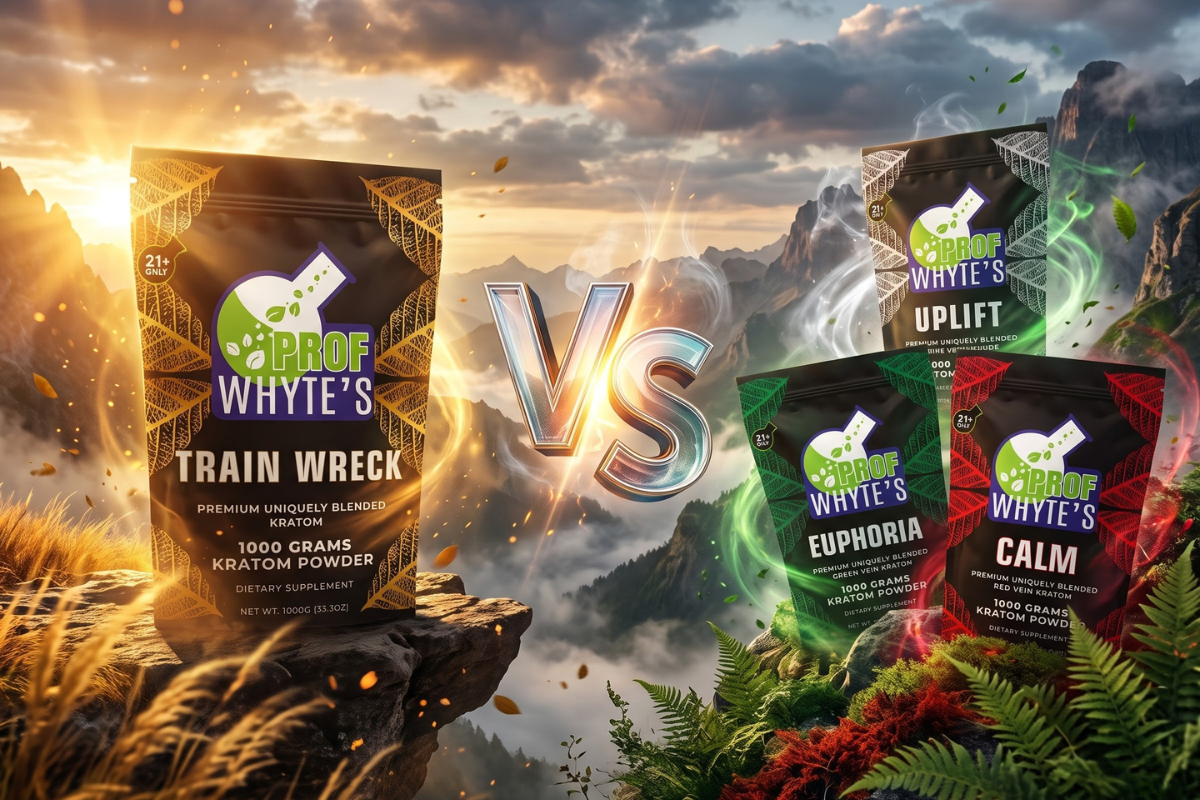
Walk into any Kratom shop today, and Gold Kratom sits right next to the classic Red, Green, and White options, often described in similar terms but processed very differently. If you have wondered how Gold actually compares to the three original vein types, you are not alone.
This guide breaks down Kratom vein color comparison, what actually separates Gold from all other varieties of Kratom strains across leaf maturity, processing, alkaloid profile, and availability, so you can understand exactly what you are choosing between before you buy.
Table of Contents
- Gold Kratom vs Green, Red & White Kratom: Quick Comparison
- Understanding Gold Kratom Comparison, with Green, Red & White Kratom Strains
- Gold Kratom vs Green, Red & White Kratom: Full Strain Breakdown
- Effects of Kratom Strains
- Similarities Between Gold and Traditional Kratom Varieties
- Which Kratom Vein Color Fits You Best?
- FAQs
Gold Kratom vs Green, Red & White Kratom: Quick Comparison
The table below highlights the key characteristics used to distinguish these four Kratom classifications:
| Basis | Gold | Green | Red | White |
| Leaf Maturity & Vein Color | Not a natural vein; golden hue comes from post-harvest processing | Mid-maturity leaves, green veins | Fully mature leaves, deep red veins | Young leaves, pale white veins |
| Harvesting & Processing | Extended drying, fermentation-style methods, or blending of Red/Green/White | Harvested mid-cycle, standard drying | Harvested at full maturity, traditional sun or indoor drying | Harvested early, standard drying |
| Alkaloid Profile | Contains modified mitragynine and a wide range of other secondary alkaloids | Balanced mitragynine and 7-Hydroxymitragynine (7-OH) profile | Higher in 7-Hydroxymitragynine (7-OH) | Higher in mitragynine |
Understanding Gold Kratom Comparison, with Green, Red & White Kratom Strains
This section introduces the key characteristics of each Kratom category, highlighting how Gold differs from the traditional Green, White, and Red varieties in terms of classification, maturity, and processing.
What Is Gold Kratom?
Gold Kratom is not a naturally occurring vein color. It's created after harvest through extended drying, fermentation-style processing, or by blending Red, Green, and White leaves together, which is why its profile varies more from vendor to vendor than the traditional categories.
What Is Green Kratom?
Green Kratom comes from Mitragyna speciosa leaves harvested around the midpoint of their growth cycle, when the leaf veins appear prominently green. These leaves are usually dried indoors and kept out of direct sunlight, which helps preserve their natural green color and characteristic chemical composition.
What Is White Kratom?
White Kratom is made from younger leaves harvested during earlier stages of maturity, when the veins appear pale or whitish. The leaves are generally processed quickly in temperature-controlled indoor conditions away from direct light to limit oxidation and retain their naturally higher mitragynine profile.
What Is Red Kratom?
Red Kratom comes from fully mature leaves with deeper reddish-brown veins, typically harvested from older growth on the tree. Post-harvest processing may involve prolonged exposure to outdoor sunlight or controlled fermentation in sealed conditions, encouraging greater oxidation of the plant material.
💡 Get a detailed strain overview, read our guides:
- Red Vs Green Kratom: Which Vein Is Right For You?
- Red vs Green vs White Kratom: Which Vein Color Is Best?
Gold Kratom vs Green, Red & White Kratom: Full Strain Breakdown
This breakdown examines the four categories side by side, focusing on the key factors that distinguish them, from leaf maturity and processing to composition, product characteristics, and market availability.
1. Leaf Maturity
- Gold: Not tied to one fixed stage — often sourced from leaves at varying maturity, then processed to develop the golden hue.
- Green: Mid-cycle leaves, picked partway through the growth stage.
- Red: Fully mature leaves, picked at the end of the growth cycle.
- White: Young leaves, picked early in the growth cycle.
2. Drying & Processing Methods
When looking at Gold Kratom vs Green Kratom, processing is one of the clearest differences, since Gold typically involves additional drying, curing, or blending.
- Gold: Extended drying, fermentation-style curing, or blending of Red, Green, and White batches.
- Green: Standard indoor or shaded drying at a moderate pace.
- Red: Traditional sun-drying or slow indoor drying, often for longer periods.
- White: Faster indoor drying to help preserve its lighter color.
3. Alkaloid Composition
The gold kratom vs red kratom comparison gets more interesting here, since Red's higher 7-OH levels set it apart from Gold's variable profile.
- Gold Kratom: Variable alkaloid profile depending on the base powders used and the length of the fermentation or processing method.
- Green Kratom: Moderate-to-high mitragynine with a more balanced distribution of minor alkaloids.
- Red Kratom: Higher relative levels of 7-Hydroxymitragynine (7-OH) and other secondary compounds.
- White Kratom: Higher in mitragynine, with only trace levels of secondary converted alkaloids.
4. Strain Characteristics
Put Gold Kratom vs White Kratom side by side and the powder color and aroma differences are the first thing you'll notice.
- Gold Kratom: Mustard-yellow to golden-brown powder with a smoother flavor profile and a richer, woodsy aroma.
- Green Kratom: Bright grass-green powder with a fresh, earthy aroma and a mild herbal, matcha-like character.
- Red Kratom: Dense, darker tan to reddish-brown powder with a slightly clumpy texture and a dull, mildly sour aroma.
- White Kratom: Fine, dry powder with a pale green to light tan shade, sharp bitterness, and a strong raw plant aroma.
5. Market Availability & Pricing
- Gold: Less common, mostly at specialty vendors, sometimes priced slightly higher due to extra processing.
- Green: Widely available at most vendors, mid-range pricing.
- Red: Most widely available, competitively priced due to demand.
- White: Widely available, priced similarly to Green.
Effects of Kratom Strains
Here’s what you may experience while using any Kratom strains:
White Kratom
White Kratom is commonly discussed as a potential daytime use option. Customers frequently suggest it may help promote a sense of physical alertness, and some users also note that it might support mental focus or increase energy levels. (NCCIH)
Green Kratom
Green Kratom is widely known as a moderate or beginner friendly variety. Users often suggest that it may offer a balanced experience, implying that it might sit somewhere between a mild sense of alertness and subtle physical comfort. (NIH)
Red Kratom
Red Kratom is most commonly associated with evening or nighttime use. Commercial vendors frequently position this variety by suggesting it may assist with personal winding-down routines, while some users report that it might support a feeling of physical relaxation. (PubMed Central)
Gold Kratom
Gold Kratom is known as a blended or hybrid alternative. Many users often claim it may bridge the characteristics of multiple strains, suggesting it might offer smooth physical comfort and a calm mindset without a heavy or abrupt shift. (Science Direct)
⚠️ Note: Effects can vary widely by person, product, and batch, and strain color alone does not reliably predict a specific experience.
Similarities Between Gold and Traditional Kratom Varieties
Despite these differences, Gold still shares some fundamental traits with Green, Red, and White Kratom.
- Same Botanical Source: All four varieties come from the same plant species, Mitragyna speciosa, which is native to Southeast Asia.
- Similar Basic Production Steps: Each begins with harvested Kratom leaves that are cleaned, dried, and typically milled into a fine powder before further processing or packaging.
- Shared Alkaloid Base: Gold, Green, Red, and White Kratom all contain naturally occurring alkaloids, with mitragynine being one of the primary compounds present across Kratom material.
- Available in Similar Formats: These varieties are commonly sold in comparable product forms, including powders, capsules, and liquid extracts.
Which Kratom Vein Color Fits You Best?
If you’re comparing Kratom vein colors, your choice will usually come down to how each type is processed, positioned, and available in the market.
✔️ Choose Gold if: you're an experienced user curious about trying a processed, blend-based option beyond the traditional three.
✔️ Choose Green if: you're a beginner looking for a naturally balanced, single-vein option to start with.
✔️ Choose Red if: you're an experienced user and are already familiar with other red strains in the market.
✔️ Choose White if: you're a beginner and want a strain that is widely available in the market.
Know more about Kratom strains:
- Green Kratom vs White Kratom: Understanding the Key Differences
- Best Kratom Strains: A Complete Guide
FAQs
Is White Kratom Better Than Green Kratom For Beginners?
Not really, it just depends on what you like. White may feel brighter, while Green is more balanced.
Can You Mix Gold, Green, Red, And White Kratom Together?
Yes, and this is actually how some Gold and Trainwreck-style products are made — by combining batches from more than one vein type into a single blend.
How To Store Kratom Strains?
Keep Kratom in an airtight container, away from heat, light, and moisture. This helps it stay fresh for longer.
Know more on – How to store Kratom?
Is Gold Kratom Stronger Than Red Kratom?
No, Gold Kratom is not inherently stronger than Red Kratom. Because "Gold" is a non-standardized marketing label, potency varies entirely by individual batch and dosage size rather than the color name on the package.
Is Gold Kratom the same as Yellow Kratom?
No. The two are sometimes confused, but Yellow Kratom is typically its own fermentation-based category, while Gold usually refers to a broader golden-hued classification that can include blending or extended drying, depending on the vendor.
Disclaimer: This article is for educational and informational purposes only and is not intended as medical advice. Kratom has not been approved by the FDA to diagnose, treat, cure, or prevent any disease or medical condition.
Kratom products may also be subject to federal, state, or local regulations that can change over time. Always check the laws applicable to your location and review product-specific information before making a purchasing decision.