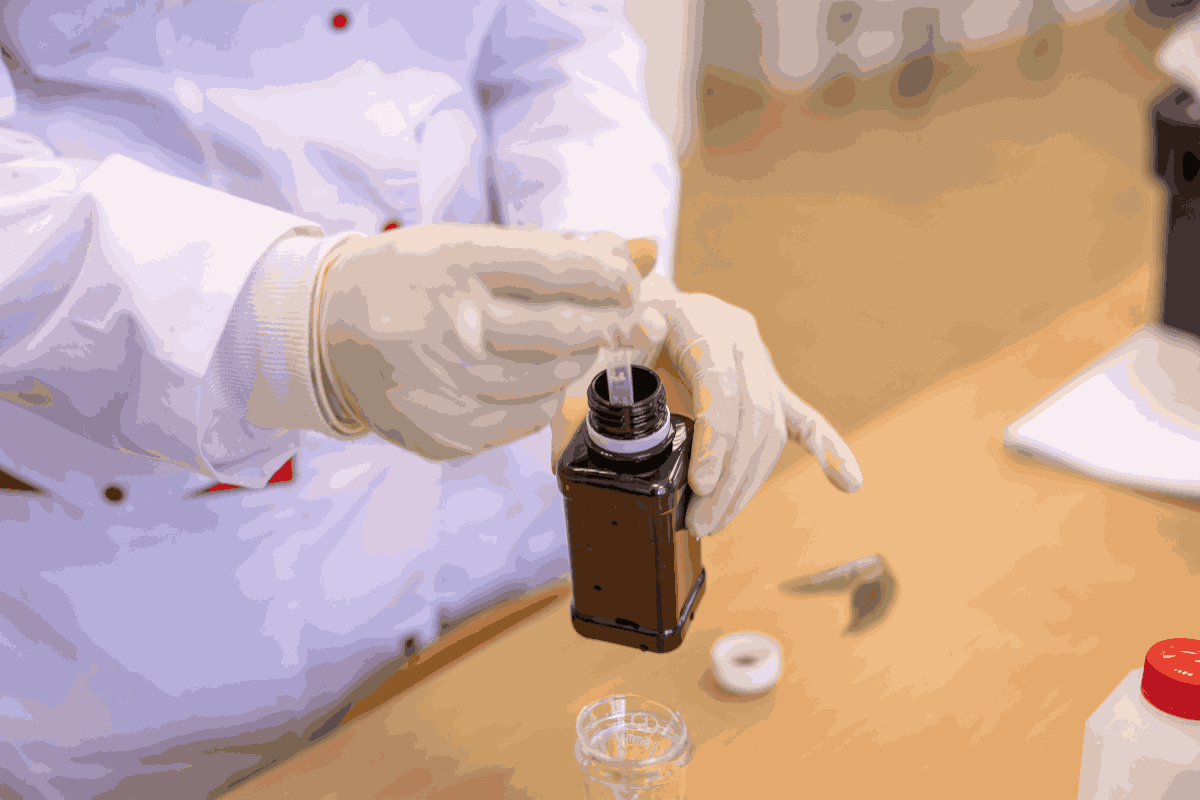
Understanding how to make Kratom extract at home goes beyond simply following a recipe; it’s about choosing cleaner inputs, safer preparation methods, and processes that stay as close to the plant’s original form as possible. Many guides focus only on potency, but fewer explain how ingredient choice, extraction technique, and handling can influence the final result. This article breaks down commonly discussed Kratom extraction methods, including the red bubble approach, while also highlighting practical safety considerations often overlooked in DIY guides
Understanding Kratom Extraction Methods
Kratom extraction methods describe the different ways Kratom leaf material is processed to separate naturally occurring compounds from the plant itself. While the end goal is similar across methods, the approach, tools, and level of complexity can vary significantly. Knowing how these methods differ helps readers decide which techniques are more practical and appropriate for at-home preparation.
At-home extraction typically relies on simple variables rather than specialized equipment. These include:
- Liquid (most often water)
- Mild acidity
- Temperature changes
- Time and reduction
|
Extraction Method |
Heat Used |
Process Complexity |
Consistency of Outcome |
At-Home Suitability |
|
Water-Based Extraction |
Yes |
Low |
Moderate |
Suitable for beginners |
|
Acid-Assisted Extraction |
Yes |
Medium |
Variable |
Requires careful handling |
|
Red Bubble Kratom Method |
No |
Medium |
Inconsistent |
Commonly discussed for home use |
|
Professional Lab Extraction |
Controlled |
High |
High |
Not suitable for DIY |
Water-Based Extraction Methods
Water-based extraction is one of the most accessible approaches and often serves as a starting point for beginners. It involves simmering or steeping Kratom powder or crushed leaves in water, followed by straining out the plant material.
This method is commonly used as the base for Kratom extract tea recipes, as it requires minimal ingredients and allows for easy adjustment during preparation.
Acid-Assisted Extraction
Acid-assisted extraction builds on water-based methods by introducing a mild, food-grade acidic component. The purpose of this step is to help plant material break down more effectively during soaking or heating.
This approach is frequently mentioned in discussions of Kratom alkaloid extraction, as acidity can improve how efficiently certain compounds transfer into the liquid. Careful handling is important to maintain control and consistency throughout the process.
Cold-Based Techniques: The Red Bubble Method
Cold-based extraction relies on freezing rather than heat to disrupt plant cell structure. The Red bubble Kratom method uses freeze–thaw cycles to encourage compounds to separate into the liquid portion.
Because it avoids prolonged heating, this method is often favored by those exploring organic or low-heat extraction techniques. It is also one of the most widely discussed DIY Kratom extract approaches.
How To Make Kratom Extract At Home: Step-by-Step
The Red bubble Kratom method is one of the most commonly discussed approaches when learning how to make Kratom extract at home. Rather than relying on prolonged heat, this method focuses on temperature changes to help separate plant compounds from Kratom leaf material.
Step 1: Preparing the Kratom Mixture
The process begins by combining Kratom material with a liquid base to create a uniform mixture. This initial step is important because it allows the plant matter to be evenly suspended, setting the foundation for later separation.
At this stage, the goal is not concentration, but preparation, ensuring the Kratom is fully exposed to the liquid medium used for extraction.
Step 2: Freezing the Mixture
Once prepared, the mixture is placed in a cold environment until fully frozen. Freezing causes ice crystals to form within the plant material, which can disrupt cell structure and make it easier for naturally occurring compounds to move into the surrounding liquid.
This freeze-based approach is what distinguishes the red bubble method from other Kratom extraction methods that rely on heat.
Step 3: Thawing and Observing the “Red Bubble”
After freezing, the mixture is allowed to thaw gradually. During this phase, some people notice reddish foam or bubbles forming on the surface commonly referred to as the “red bubble.”
While visually distinctive, this phenomenon is simply an observable part of the freeze–thaw process and not a guarantee of consistency or concentration.
Step 4: Separating Liquid From Plant Material
As the mixture continues to thaw, the liquid portion becomes easier to separate from the remaining plant solids. This separation step is central to Kratom alkaloid extraction, as it removes excess plant matter while retaining the infused liquid. Clean handling and proper filtration are especially important at this stage.
Step 5: Optional Reduction and Storage Considerations
Some discussions of DIY Kratom extract include further reduction of the liquid to increase density. This is where variability increases significantly, which is why many guides emphasize caution.
Moreover, homemade Kratom extract safety depends heavily on clean equipment, careful handling, and understanding that concentration can change quickly during reduction and storage.
Safety Note
When exploring at-home Kratom preparation methods, safety should always come first. Homemade extracts are not standardized, meaning results can vary widely based on preparation, handling, and storage. Using only food-grade materials, maintaining clean equipment, avoiding excessive concentration, and understanding local legal restrictions are essential steps to reduce risk. Because consistency and control are limited in DIY approaches, careful consideration and responsible handling are especially important.
Summing It Up
Learning how Kratom extraction works at a fundamental level helps set realistic expectations, especially when exploring at-home methods. Techniques like freeze–thaw extraction demonstrate how temperature changes can influence plant structure, but they also highlight the limitations of DIY approaches when it comes to consistency and control.
For those researching how to make Kratom extract at home, understanding the science behind different methods, along with their variability and safety considerations, is just as important as knowing the process itself. Educational discussions that prioritize awareness and responsible handling provide a clearer, more informed way to approach Kratom extraction topics.
FAQs
What is the simplest way to make Kratom extract at home?
The simplest way to make Kratom extract at home is the resin-reduction method.
Is homemade Kratom extract the same as store-bought?
No, homemade Kratom extract is not the same as store-bought.
What solvents are safe for DIY Kratom extract?
For DIY Kratom extract, food-grade ethanol and water are safe.
Can I make Kratom extract tea from powder?
Absolutely, you can conveniently prepare Kratom tea from powder by using a straightforward hot-water brewing technique. This method is widely used and adaptable for consuming Kratom, as it involves pulling the active alkaloids into a liquid that you subsequently drink, often adding flavorings to disguise the powder's bitter flavor.
Is it legal to make Kratom extract at home?
The legality of making Kratom extract at home is entirely dependent on your particular location within the United States, since there is no consistent federal regulation. The legal standing of Kratom differs greatly from one state and locality to another.
Can Kratom extract be stronger than powder?
Yes, Kratom extract is stronger than powder. For detailed information, read the blog on Kratom extract vs powder.
What is the safest way to extract Kratom?
The safest way to extract Kratom is done professionally by reputable vendors in labs.
Disclaimer: This article is intended for informational and educational purposes only. It does not provide medical, legal, or professional advice, nor does it encourage or promote unsafe practices. Kratom laws and regulations vary by location, and it is the reader’s responsibility to understand and comply with applicable local, state, and federal laws before purchasing, possessing, or preparing Kratom products. Any discussion of at-home preparation methods is provided to explain commonly referenced concepts and processes, not to serve as instructions. Readers are encouraged to prioritize safety, proper handling, and informed decision-making at all times.