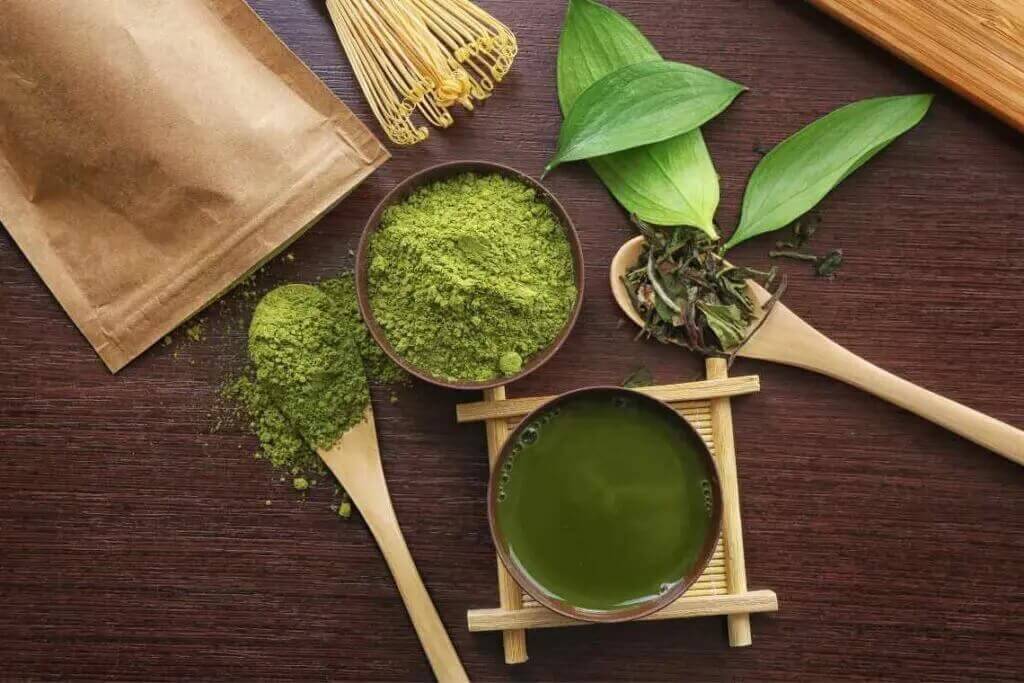
Kratom extract vs powder — the core difference is concentration. Kratom extract is made by isolating alkaloids from the leaf into a more potent, compact format. Kratom powder is the dried, ground whole leaf in its natural form. Extract is stronger by volume; powder offers more flexibility and control over serving size.
Both forms start from the same kratom leaf — but that's where the similarity ends. The discussion around kratom extract vs powder comes up often because they differ significantly in concentration, preparation, and handling. While kratom powder stays close to the natural leaf, kratom extract condenses specific compounds into a more compact format. This guide breaks down both forms clearly, so you understand what actually separates them and how those differences affect your choice.
What Is Kratom Powder?
Kratom powder is the most familiar form of Kratom and is produced by drying Kratom leaves and grinding them into a fine, uniform powder. Unlike concentrated forms, this process keeps the leaf intact rather than separating or intensifying specific components. What you’re left with is a whole-leaf format that reflects the plant's natural alkaloid balance.
Types Of Kratom Powder Based On Vein Color
Kratom powder is commonly categorized using the vein color system, a traditional classification based on the appearance of the leaf veins at harvest and the post-harvest drying process.
Red Vein Kratom Powder
Red vein Kratom powder comes from mature leaves that display red or darkened veins, often following specific drying methods that deepen the leaf color.
Green Vein Kratom Powder
Green vein Kratom powder is produced from leaves harvested at mid-maturity, where the veins retain a green coloration. These leaves are typically dried in ways that preserve their natural color.
White Vein Kratom Powder
White vein Kratom powder comes from younger leaves with lighter-colored veins. The classification reflects early harvest timing and specific drying approaches, not a different grinding or preparation method.
Yellow & Specialty Blends
Yellow or Gold Kratom powder is not derived from naturally yellow veins. Instead, it is usually created through special drying, curing, or blending techniques applied to red, green, or white-veined leaves.
|
NOTE: Vein color categories are used to describe leaf variation and processing style, not strength, format, or concentration. Regardless of vein type, Kratom powder is always made by drying leaves and grinding them into powder, without isolating or intensifying specific compounds. |
What Is Kratom Extract?
Kratom extract is a concentrated form created by separating and intensifying specific compounds found in Kratom leaves. Instead of using the leaf in its ground form, extraction reduces the amount of plant material while increasing the concentration of naturally occurring components. This change in structure is what sets extracts apart from whole-leaf formats.
For more and in-depth detail on extracts, consider checking out our Kratom Extract Guide!
How Is Kratom Extract Made?
Kratom extract is made by concentrating material from Kratom leaves through an additional processing step beyond grinding.
Step 1: Raw Kratom leaves are prepared
The process of making Kratom extracts begins with raw, unprocessed Kratom leaves. These leaves are cleaned, dried, and prepared for extraction rather than being ground directly into powder.
Step 2: Leaves are steeped in a solvent
The prepared leaves are soaked in a solvent such as water, ethanol, or a food-safe acid, such as citric acid. Some modern methods also use alcohol-free solvents such as D-limonene. These solvents help pull alkaloids from the plant material.
Step 3: Alkaloids are separated from plant matter
As the leaves steep, alkaloids like mitragynine are drawn into the liquid. The solid leaf material is then filtered out.
Step 4: The liquid extract is concentrated
The filtered liquid is slowly concentrated by removing excess solvent. This step yields a dense extract with a higher alkaloid concentration than the original leaf material.
Step 5: The extract is finished into product forms
The concentrated extract may be left as a liquid or further processed into extract powder, resin, capsules, or liquid shots, depending on the final product format.
Types Of Kratom Extract
The different types of Kratom extracts include the following:
Liquid Kratom Extract
Liquid Kratom extract is the most direct result of the extraction process. After alkaloids are separated from the leaf material and the solvent is concentrated, the extract may be left in liquid form.
- Commonly used in shots or tincture products
- Allows for flexible formulation
- Often produced using water, ethanol, or alcohol-free solvents
- Concentration varies widely between products
Powdered Kratom Extract
Powdered Kratom extract is created by drying a concentrated liquid extract into a powder form. This process removes remaining moisture while preserving the concentrated alkaloids.
- Contains significantly less plant matter than regular powder
- Easier to blend into capsules or other dry products
- Often labeled using ratios (such as 10:1 or 50x)
- Potency is not standardized across brands
Resin-Based Kratom Extract
Resin Kratom extract is produced when the concentrated liquid is reduced further into a thick, solid, or semi-solid form. This type retains a dense concentration due to minimal remaining solvent.
- Sticky or solid texture
- High alkaloid concentration relative to size
- Less commonly used in pre-measured consumer products
- Often requires careful handling and portioning
Kratom Extract Vs Powder: Key Differences
Understanding ‘Kratom extract vs powder’ comes down to how each form is processed and how that processing changes concentration, preparation, and measurement. While both originate from the same Kratom leaves, they differ in several important ways.
Potency & Concentration
Kratom powder contains the full spectrum of naturally occurring alkaloids found in the leaf, spread across the entire plant material, making it less concentrated.
Kratom extract is made by removing excess leaf material and concentrating specific alkaloids, so a much smaller amount of extract can equal the strength of several grams (around 4–5 g) of Kratom powder.
Intensity & Effects
Kratom powder is generally associated with a more moderate and gradual onset, with effects that tend to last longer. Kratom extract products are more concentrated, so even a small amount can feel much stronger, often with a quicker onset but a shorter overall duration compared to powder.
Preparation & Convenience
Kratom powder and Kratom extract differ mainly in how much preparation they require and how easily they fit into daily use. Kratom powder comes from dried, ground leaves and keeps the plant in its full form, which means it usually involves more hands-on preparation.
Kratom extract, on the other hand, is a concentrated form available in liquid, powder, or tablet formats, created by extracting alkaloids from the leaves and reducing excess plant material, making it quicker and easier to handle.

Price
Kratom extract costs considerably more per gram than powder because of the extensive processing needed to concentrate the active alkaloids. Although powder is more affordable for frequent use, extracts are more potent, requiring smaller quantities per serving.
Dose & Measurement
Kratom powder offers greater flexibility in measurement because it retains the entire leaf in its unprocessed state, enabling easier, more forgiving, gradual adjustments. In contrast, Kratom extract is significantly more potent, meaning that even a tiny amount can equal what would typically require several grams of powder, resulting in much less margin for error.
Due to this distinction, extracts require more accurate measuring and a more organized approach compared to powder, particularly for those who are not as experienced with concentrated forms.
Shelf Life
Kratom powder generally has a longer shelf life, often retaining quality for 6 to 12 months and sometimes longer when stored in a cool, dark, and dry environment in an airtight container.
Kratom extract shelf life varies more depending on the format and ingredients, typically ranging from 3 to 12 months. Liquid extracts, resins, and gummies tend to have shorter lifespans due to added moisture and sensitivity to environmental factors such as light and heat.
Quick Summary: Kratom Extract vs Kratom Powder
|
Aspect |
Kratom Powder |
Kratom Extract |
|
Form |
Made from dried, ground whole Kratom leaves |
Made by concentrating material from Kratom leaves |
|
Alkaloid profile |
Full-spectrum alkaloids |
Specific alkaloids are concentrated while excess plant matter is removed |
|
Concentration |
Less concentrated |
Highly concentrated |
|
Potency |
More moderate and gradual |
Stronger due to concentration |
|
Amount needed |
Larger amounts are required |
Very small amounts represent more leaf |
|
Preparation |
Requires mixing, brewing, or other preparation |
Minimal preparation; often ready to use |
|
Taste/intensity |
Bitter and earthy |
More intense and concentrated taste |
|
Measurement |
More flexible and forgiving |
Requires precise and careful measurement |
|
Cost |
Generally more affordable |
Usually more expensive due to processing |
|
Margin for error |
Wider margin |
Much lower margin |
Pros & Cons: Kratom Powder Vs Extract
Kratom Powder
Pros
- Contains the full-spectrum of naturally occurring alkaloids
- Less concentrated, making it easier to adjust and manage
- More forgiving if measurements vary slightly
- Generally costs less
Cons
- Requires more preparation time
- Larger quantities are needed
- Naturally bitter and earthy
Kratom Extract
Pros
- Highly concentrated, so smaller amounts are needed
- Minimal preparation required
- Convenient and compact formats
Cons
- Very little margin for error due to high concentration
- Requires precise measurement
- Usually more expensive than powder
Explore Kratom Powder & Extract Products

Kratom Uplift Powder
View Product
Kratom Euphoria Powder
View Product
Kratom Calm Powder
View Product
K-Plex Liquid Kratom Extract Shots 450MG
View ProductWhich One To Choose – Kratom Extract or Powder?
Here’s how you can choose between Kratom extract and powder as per your requirements:
|
If you prefer… |
Choose Kratom Powder |
Choose Kratom Extract |
|
Whole-leaf format |
✅ Yes |
❌ No |
|
Lower concentration |
✅ Yes |
❌ No |
|
More flexibility with measurement |
✅ Yes |
❌ No |
|
Gradual adjustment |
✅ Yes |
❌ No |
|
Handling larger amounts |
✅ Comfortable |
❌ Prefer smaller amounts |
|
Minimal preparation |
❌ Requires prep |
✅ Ready-to-use formats |
|
Higher concentration |
❌ No |
✅ Yes |
Simple takeaway for readers
|
Who Should Choose Kratom Powder?
- Those who prefer traditional whole-leaf kratom
- People looking for flexible measurement
- Budget-conscious buyers
- Users who enjoy tea or capsule formats
Who Should Choose Kratom Extract?
- People looking for concentrated products
- Users wanting smaller serving sizes
- Customers who prefer convenience
- Those interested in liquid shots or extract capsules
Safety Precautions & Usage Tips
Here are some precautions and usage considerations for both forms of Kratom:
- Avoid frequent usage as it might lead to dependence.
- Kratom extracts are highly concentrated, so be mindful of the amount and your tolerance levels.
- Always use a measuring scale to measure the accurate amount of Kratom powder.
- Kratom may lead to dehydration, so it is important to check on your water consumption. Read more on: Kratom Hangover: Causes, Symptoms & Prevention Tips
- Opt for Kratom strain rotation so that you are able to manage tolerance well.
- The FDA does not approve of Kratom, so take responsible measures while you are on your journey with it.
What’s Better Between Kratom Extract & Powder?
When it comes to Kratom extract vs powder, there isn’t a single option that can be called better or best. The right choice depends on what you’re looking for and how comfortable you are with different formats. Kratom powder offers more flexibility and room for gradual adjustment, making it appealing to those who prefer traditional formats.
Kratom extract, on the other hand, is more concentrated and may suit those who prefer smaller amounts and are comfortable with a more structured, measured approach. Understanding how each form differs in concentration, preparation, and handling makes it easier to choose the option that aligns with your preferences.
Moreover, whatever form of Kratom you buy, you should always choose reputable vendors who sell only high-quality products and lab-test them to ensure there are no contaminants in them.
FAQs
What is the difference between Kratom extract and powder?
Kratom powder is ground dried kratom leaf. Kratom extract is a concentrated form made by processing the leaf to isolate alkaloids, resulting in higher potency per serving.
What are the benefits of Kratom extract?
The main benefits of Kratom extract relate to concentration and convenience. Because extracts are more concentrated than powders, smaller amounts are needed, making them easier to and store. Kratom extract also requires minimal preparation and is often available in ready-to-use formats, making it a more compact and convenient option for some users.
Can you mix Kratom extract and Kratom powder?
Yes, you can mix Kratom extract and Kratom powder, and such products are known as Enhanced Kratom products. Mixing extracts with powder increases the overall alkaloid concentration.
Is kratom extract stronger than powder?
Yes, Kratom extracts are more potent than Kratom powder because it isolates alkaloids from the leaf, making it more potent per gram.
Is Kratom extract safe for beginners?
Kratom extracts are generally not safe for beginners as they are potent and intended for experienced users only.
Are kratom shots a type of extract?
Yes. Kratom shots are liquid kratom extracts — pre-measured, ready-to-drink, and more concentrated than raw powder.
Is Kratom extract legal?
Kratom legality varies by country, state, and local jurisdiction. In many places, both Kratom powder and Kratom extract are legal, but some regions restrict or ban Kratom entirely. Laws can also change over time, so it’s important to review current local regulations before purchasing or using Kratom products.
Disclaimer: This article is intended for informational and educational purposes only and does not provide medical, dosage, or usage instructions. Kratom extract and Kratom powder differ in concentration and handling, and individual responses may vary. Kratom products are subject to different laws and regulations depending on location, and legality can change over time. Readers are responsible for reviewing local regulations and product information before purchasing or using Kratom. If you have health conditions, take medications, or have concerns about Kratom use, consult a qualified healthcare professional before making decisions.
References & Further Reading
- Peer-reviewed research on Kratom alkaloids and extract concentration (PubMed). https://pubmed.ncbi.nlm.nih.gov/40377101/
- Regulatory overview of Kratom compliance and legal considerations (Frost Brown Todd). https://frostbrowntodd.com/Kratom-compliance-in-an-evolving-regulatory-landscape/
- FDA public statements on Kratom and consumer safety (U.S. Food & Drug Administration). https://www.fda.gov/news-events/public-health-focus/fda-and-Kratom
- Scientific review of Kratom alkaloids, chemistry, and extraction behavior (PubMed Central). https://pmc.ncbi.nlm.nih.gov/articles/PMC8234130/
- Research on Kratom extraction techniques and compound yield (Process Biochemistry, 2024, ScienceDirect). https://www.sciencedirect.com/science/article/abs/pii/S1359511324001272
Final Thoughts On Kratom Extract vs Powder
The debate around kratom extract vs powder ultimately comes down to concentration, convenience, and personal preference. Kratom powder remains the closest representation of the natural leaf, while kratom extract provides a more concentrated format that requires less product. Understanding the differences between these two forms can help you make a more informed decision when exploring kratom products.