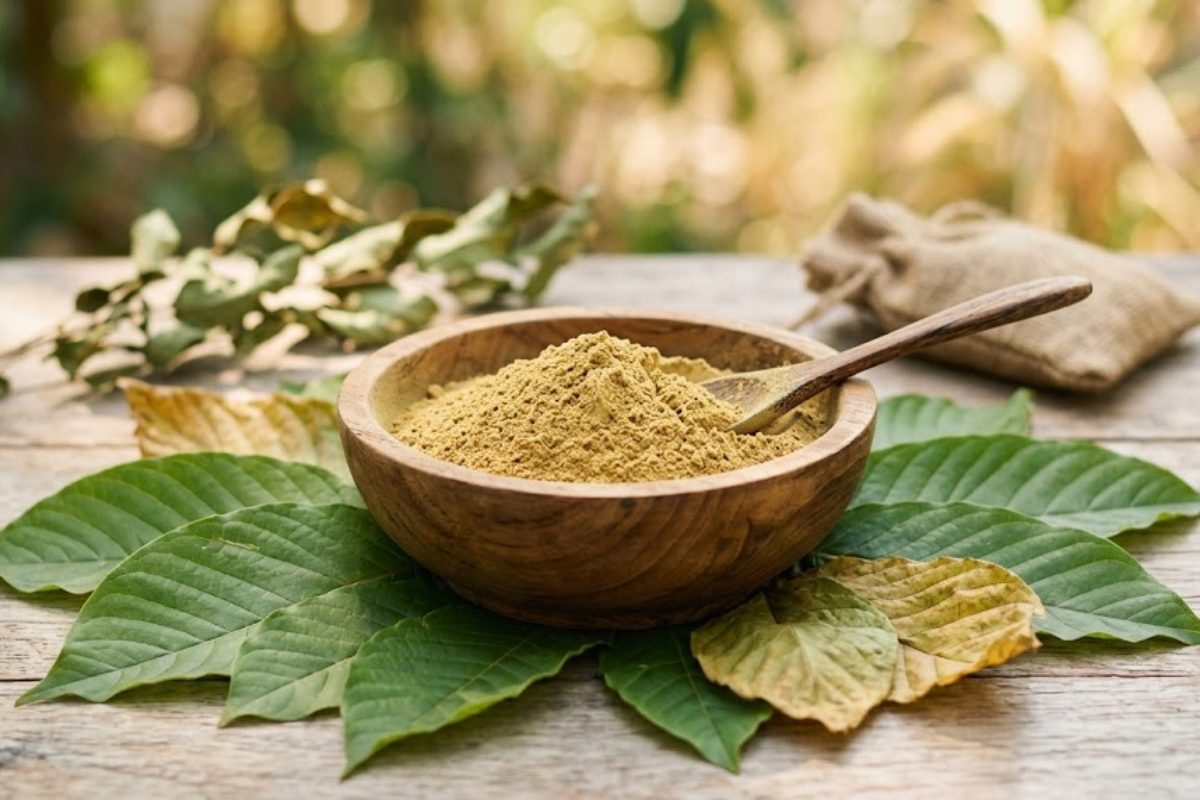
Yellow vein Kratom is one of the least discussed and most misunderstood categories within the Kratom world. Unlike red, green, or white vein varieties, yellow Kratom does not always originate from a clearly defined leaf vein color. Instead, it is typically associated with specific post-harvest processing methods, which influence how the plant’s natural alkaloids develop.
Because it doesn’t fit neatly into traditional strain classifications, yellow Kratom is often overlooked by vendors and consumers alike, check more about Colors of Kratom. However, its unique production process and balanced profile have earned it growing attention among experienced Kratom users seeking something different from standard vein types.
This guide breaks down what yellow Kratom is, how it’s made, how it differs from other strains, and who may benefit from learning more about it.
What Is Yellow Vein Kratom Powder?
Yellow vein Kratom powder refers to Kratom products labeled “yellow” based on processing style rather than a naturally yellow leaf vein. The powder often appears lighter in color ranging from pale tan to golden brown depending on how the leaves were dried or fermented after harvest.
Rather than being a distinct botanical category, yellow Kratom is best understood as a post-harvest variation of traditional Kratom leaves.
Is Yellow Kratom Powder a Natural Vein Color?
No, yellow Kratom is not a naturally occurring vein color on the Kratom leaf. Fresh Kratom leaves are traditionally classified by visible vein colors such as red, green, or white. Yellow Kratom does not appear as a distinct vein type at the time of harvest.
The “yellow” designation is instead used to describe Kratom that has undergone specific post-harvest processing methods, such as fermentation, extended drying, or controlled oxidation. These processes can alter the leaf’s final color, aroma, and alkaloid balance, resulting in a lighter yellow or golden appearance once the leaf is dried and powdered.
Because yellow Kratom is defined by how it is processed rather than how it grows, there is no single industry-wide standard for what qualifies as yellow Kratom. This explains why yellow strains can vary significantly between vendors in both color and perceived effects. Want to learn more about Yellow Kratom Vein? Learn here at addiction resource.
How Is Yellow Kratom Made?
Yellow Kratom is typically produced using post-harvest techniques rather than selective leaf harvesting.
Origin and Processing Methods
Most yellow Kratom originates from Southeast Asia, particularly regions known for traditional Kratom cultivation such as Indonesia and Vietnam. The defining factor is not geography, but how the leaves are treated after harvest.
Common methods include:
- Extended drying under indirect sunlight
- Partial fermentation, where leaves are oxidized for longer periods
- Blended processing, combining red and green leaves before drying
These techniques subtly modify alkaloid expression, leading to the lighter color and distinctive profile associated with yellow Kratom.
Is Yellow Kratom Powder a Difference of Kratom Alkaloids Alone?
Not entirely.
While alkaloid composition plays a role, yellow Kratom’s characteristics are influenced by:
- Oxidation during drying
- Breakdown and transformation of alkaloids
- Environmental exposure (air, light, humidity)
The result is not a completely new alkaloid set, but a shifted balance of naturally occurring compounds, which may explain why yellow Kratom feels different from standard red or green strains. Know more about alkaloid profile and list of alkaloids present in the Kratom leaf.
The Difference of Color Names – Yellow vs. Red vs. Green vs. White
Kratom “color” names do not describe different plant species. Instead, they reflect post-harvest processing methods that influence alkaloid balance, appearance, and commonly reported effects. The table below explains the core differences clearly.
Kratom Color Comparison Table
|
Kratom Color |
Natural Vein Color? |
Processing Method |
Alkaloid Emphasis |
Commonly Described Effects* |
Notes |
|
Yes |
Indoor drying, minimal oxidation |
Higher mitragynine proportion |
More stimulating, alert, energizing |
Often chosen for daytime use |
|
|
Yes |
Balanced drying (sun + shade) |
Balanced alkaloid profile |
Moderate energy with calm focus |
Most versatile and widely used |
|
|
Yes |
Longer drying, fermentation, oxidation |
Higher 7-hydroxymitragynine presence |
More calming, relaxing, grounding |
Commonly associated with evening use |
|
|
Yellow Kratom |
No |
Blended processing, fermentation, or extended drying |
Altered or intermediate profile |
Balanced, smooth, less intense |
Processing-defined, not vein-defined |
*Effects are descriptive only and based on anecdotal reports; individual experiences may vary.
Key Takeaways for Readers
- Red, green, and white refer to natural leaf vein colors
- Yellow Kratom is a processing category, not a botanical one
- Effects overlap across colors due to shared alkaloids
- Processing plays a larger role than color alone in how a strain feels
Alkaloid Profile of Yellow Vein Strain
Yellow Kratom contains the same primary alkaloids found in all Kratom leaves, including mitragynine and related compounds. What differs is the relative concentration and interaction of these alkaloids due to processing. Read more about alkaloids in Yellow Vein Strain by Research gate here.
Fermentation and oxidation may:
- Reduce sharp alkaloid peaks
- Create a smoother, more rounded profile
- Slightly alter onset and duration characteristics
Because processing methods vary by producer, alkaloid profiles can differ significantly between yellow Kratom batches.
Popular Yellow Strains
Yellow Borneo
Often associated with leaves processed from Borneo-origin Kratom, Yellow Borneo is known for its balanced reputation and smoother character compared to its red or green counterparts.
Yellow Maeng Da
Yellow Maeng Da typically refers to Maeng Da leaves that have undergone fermentation or extended drying. The name reflects lineage rather than vein color.
Yellow Vietnam
Yellow Vietnam is less common and usually indicates regional sourcing combined with specialized post-harvest treatment rather than a distinct genetic strain.
Who Benefits the Most From Yellow Kratom Powder?
Yellow Kratom is often explored by:
- Experienced Kratom users looking for variety
- Individuals interested in fermentation-based products
- Those curious about non-traditional processing methods
- Users rotating strains to avoid repetitive patterns
Because it lacks strict standardization, yellow Kratom is usually better suited for informed users who understand variability.
How To Take Yellow Kratom Powder?
1. Powder, Tea, or Capsules
Yellow Kratom powder can be consumed in the same formats as other Kratom types:
- Mixed with liquids
- Brewed into Kratom tea
- Kratom capsules for convenience
The preparation method does not change its classification, but may affect absorption and onset.
2. Suggested Dosage Range of Yellow Kratom Powder
There is no universal dosage, as alkaloid content varies by batch and processing style. Users typically approach yellow Kratom cautiously, starting low and adjusting gradually. Know more about Kratom dosage here.
3. Tips for First-Time Kratom Users
- Start with small amounts
- Avoid mixing multiple strains initially
- Allow time between servings to assess response
- Understand that yellow Kratom may feel different than expected
Frequently Asked Questions
Is Yellow Vein Kratom Stronger Than Red or Green Kratom?
Yellow Kratom is not inherently stronger. Its effects depend on post-harvest processing rather than leaf maturity. Many users describe it as balanced rather than intense, but experiences can vary by batch.
Does Yellow Kratom Occur Naturally?
No. Yellow Kratom is not a natural vein color. The yellow label comes from fermentation, extended drying, or blending methods applied after harvesting the leaves.
Is Yellow Kratom a Blend of Other Strains?
Sometimes. Some yellow Kratom products are made by blending red and green vein leaves before drying, while others rely solely on fermentation techniques without blending.
Why Is Yellow Kratom Less Common Than Other Colors?
Yellow Kratom requires additional processing steps and lacks standardized definitions. Because of this inconsistency, many vendors choose to focus on red, green, and white strains instead.
Is Yellow Kratom Suitable for Beginners?
Yellow Kratom can be used by beginners, but variability makes it less predictable. First-time users are generally advised to start with well-documented vein types before exploring yellow strains.
Can We Use Yellow Kratom Powder As Regular?
Yellow Kratom is generally used the same way as other Kratom powders, but its variability makes consistency harder to predict. Regular use should always be approached thoughtfully, with attention to rotation and moderation.