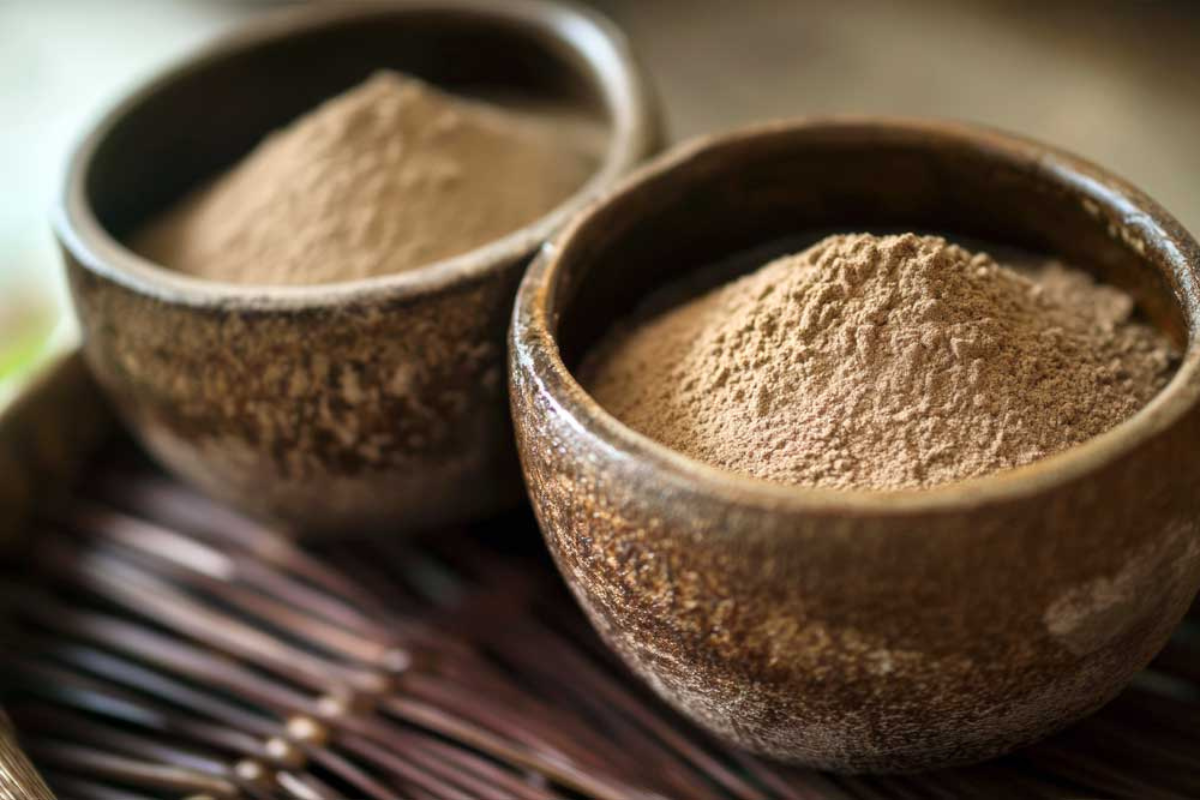
Kava has been quietly making its way into wellness conversations worldwide, and for good reason. This traditional Pacific Island beverage offers a unique path to relaxation that's quite different from anything else in the natural wellness space. But here's where it gets interesting, not all are the same.
Looking at so many different Kava strains can feel overwhelming at first glance. With names like Borogu, Malekula Magic, and Stone, plus terms like "heady" and "heavy" thrown around, it's easy to feel lost before you even begin. I remember my first encounter with Kava varieties - standing in front of dozens of options, wondering if there was actually a meaningful difference or if it was all marketing fluff.
The truth is, Kava strains do matter significantly. Each variety carries its own personality, effects profile, and cultural heritage. This guide will walk you through everything you need to know about these strains, from the science behind their effects to practical advice on choosing your first variety.
What is Kava?
Kava, scientifically known as Piper methysticum, is a plant that's been cultivated and consumed in Pacific Island cultures for over 3,000 years. The root of this plant contains compounds called Kavalactones, which are responsible for its calming and mood-enhancing effects.
Traditional preparation involves grinding the root into a powder, then mixing it with water to create a muddy, somewhat bitter drink. In Pacific Island cultures, it serves both social and ceremonial purposes. It's consumed during important gatherings, conflict resolution meetings, and casual evening socializing.
What makes Kava particularly interesting from a wellness perspective is its mechanism of action. Unlike alcohol, which affects GABA receptors directly, Kava works through multiple pathways in the brain and body. The Kavalactones interact with GABA receptors, but they also influence dopamine, serotonin, and other neurotransmitter systems.
Modern Kava consumption has expanded beyond traditional preparation methods. You'll now find it in capsules, tinctures, Kava tea, and even beverages like Kava Kratom Shots at Kava bars popping up in major cities.

Understanding Kava Strains
Kava strains represent different varieties of the Piper methysticum plant, each with unique characteristics developed through centuries of selective cultivation. These strains developed naturally across different Pacific Island regions, influenced by local growing conditions, traditional uses, and cultural preferences. Island communities have passed down specific varieties through generations, often carefully guarding their prized cultivars.
Also Read: Best Kava Drink Recipe: 7 Ways To Enjoy Kava
The Key Factors That Differentiate Kava Strains Include:
- Kavalactone Profile: Each strain contains different concentrations and ratios of the six major Kavalactones. These compounds - kawain, dihydrokawain, methysticin, dihydromethysticin, yangonin, and desmethoxyyangonin - each contribute different effects.
- Growing Conditions: Soil type, rainfall, temperature, and elevation all influence the final product. Island microclimates create subtle but meaningful differences even within the same strain.
- Harvesting Age: Traditional Kava requires at least 3-4 years of growth before harvest, with older roots generally producing more potent effects.
- Processing Methods: How the root is dried, ground, and stored affects both potency and flavor profile.
Regional Kava Strains and Their Unique Qualities
1. Vanuatu Kava Strains
Vanuatu produces some of the world's most prized varieties, thanks to ideal growing conditions and deep cultural traditions around Kava cultivation.
2. Borogu
This is one of the best Kava strains that stands out as perhaps the most balanced strain available. Originating from Pentecost Island, Borogu offers both mental clarity and physical relaxation without being overwhelming in either direction.
3. Malekula Magic
This Kava strain comes from Malekula Island and leans heavily toward the "heady" side. Users report enhanced mood, sociability, and mental euphoria with minimal sedation. It has become popular among people who want its anxiety-reducing benefits without feeling sleepy.
4. Stone
It represents the opposite end - a powerfully sedating strain that's earned its name honestly. This variety is traditionally used for inducing deep relaxation and promoting sleep. The effects can feel quite strong, especially for newcomers.
5. Fijian Kava Strains
Fiji's volcanic soil and tropical climate produce Kava with distinctive characteristics, often described as more "mellow" than Vanuatu varieties.
6. Loa Waka
This Kava strain is considered one of Fiji's premium strains, known for producing calm alertness and gentle mood enhancement. The effects tend to be more subtle and longer-lasting compared to some stronger varieties.
7. Kadavu
This one comes from Fiji's Kadavu Island and offers moderate potency with balanced effects. It's often recommended for people transitioning from milder strains to stronger varieties.
8. Hawaiian Kava Strains
While Kava isn't native to Hawaii, the islands have developed their own cultivation traditions and unique varieties.
9. Isa and Mahakea
These Kava strains represent two popular Hawaiian cultivars, both known for producing clear-headed relaxation with minimal sedation. Hawaiian strains often appeal to individuals seeking functional relaxation [1], characterized by a sense of calmness [2] while maintaining mental sharpness.
10. Solomon Islands and Other Regions
Solomon Islands
These tend to be less common in commercial markets but offer unique profiles often described as more "cerebral" than other regions.
Tonga and Samoa
These regions also produce distinctive strains, though these are less frequently available outside their local markets.
Popular and Notable Kava Strains
1. Beginner-Friendly Strains
Borogu
It remains the gold standard recommendation for newcomers. Its balanced effects make it forgiving if you accidentally consume too much, and it provides a good baseline for understanding how Kava affects you personally.
Pouni Ono
It offers another excellent entry point, with mild to moderate effects that lean slightly toward relaxation without being sedating.
2. Nambawan
This means "number one" in Bislama and provides a gentle introduction to Kava's effects with a smoother taste than many varieties.
3. Intermediate Strains
Kelai
It delivers more pronounced effects while remaining manageable. It is known for producing both mental and physical relaxation with a longer duration than beginner strains.
Melo Melo
It offers stronger potency with primarily calming effects. Users report significant stress relief and muscle relaxation [3].
Vula Waka
This represents a step up in intensity, producing notable mood enhancement [4] and physical relaxation.
4. Advanced/Potent Strains
Stone
This one earns its reputation as one of the most potent commercially available strains. Even experienced users approach this one with respect, starting with smaller amounts than usual.
Bir Kar and Palisi
Both of them pack serious potency and are best reserved for experienced users who understand their tolerance levels.
Specialty and Rare Kava Strains
Some vendors offer limited-edition or rare strains that showcase unique characteristics:
White Sand Kava
It occasionally appears and is prized for its unusual effects profile and smooth taste.
Chief's Jungle and similar "boutique" strains often come from specific microclimates or traditional cultivation methods. These specialty strains often command higher prices and may not be consistently available; however, they offer an enjoyable experience for Kava enthusiasts.
Types of Kava: Noble vs Tudei
Kava strains fall into two main categories: Noble and Tudei (Two-Day), and knowing the difference matters more than you might think.
Noble Kava
This traditional type has been used safely for thousands of years across Pacific Island cultures. Noble strains have a smoother Kavalactone balance, producing calm, relaxing effects that last 2–4 hours without lingering drowsiness or next-day grogginess.
Tudei Kava
Named for its “two-day” duration, Tudei varieties can cause prolonged drowsiness and nausea. They often contain higher levels of certain Kavalactones that make the effects last longer, but less pleasantly.
How To Choose The Right Kava Strain For You?
Picking the right Kava strain doesn’t have to feel overwhelming; it’s more about knowing what fits your vibe and purpose. Each strain carries its own personality, shaped by where it’s grown and how it’s prepared.
- So, the best choice depends on what kind of experience you’re looking for.
- Start by thinking about when and where you plan to enjoy it. Some people prefer mellow strains for winding down in the evening, while others go for uplifting ones that keep conversations flowing.
- Next, consider the origin. Strains from Vanuatu, Fiji, or Tonga each have subtle differences in intensity and feel. Fijian Kava, for example, is often known for balance, while Vanuatu varieties can lean a bit stronger.
- It’s also smart to check Kavalactone content, which influences how pronounced the effects might be. Vendors usually mention this on product labels or descriptions.
If you’re new to the Kava space, try starting with smaller quantities or variety packs to explore what works best for you. Additionally, consider purchasing Kava products only from reputable vendors.
Once you find your favorite, you’ll know exactly which strain fits your mood, whether it’s a chill evening or a lively get-together with friends.
Summing Up The Kava Strain Guide
Kava isn’t just another trendy drink; it’s a centuries-old tradition wrapped in a cup of calm. From the volcanic soils of Vanuatu to the lush islands of Fiji, each strain carries its own story, rhythm, and purpose. Whether it’s the clarity of Borogu, the mellow ease of Loa Waka, or the grounding calm of Stone, every variety offers a distinct connection to the islands it comes from.
Finding your ideal Kava strain is less about rules and more about exploration. Ultimately, understanding Kava strains is about appreciating the delicate balance between tradition and experience.
Each root, each preparation, and each island’s craft adds to what makes Kava so special. So when you raise that next shell, know that you’re sipping more than a beverage, you’re tasting generations of heritage, harmony, and human connection.
Frequently Asked Questions about Kava Strains
1) How do I know if a Kava is noble?
The three groups of Kava varieties can be distinguished by their chemotypes. Noble Kava typically shows a high Kavain-to-total Kavalactone ratio and low flavokavin-to-Kavalactone values, which helps set it apart from non-noble or Tudei types. In lab testing, acetonic extracts reveal apparent differences in their UV absorbance patterns, and a simple colorimetric test can help detect unsuitable or poor-quality raw material.
2) What does the chemotype mean?
Chemotype represents the Kavalactone profile of a particular Kava strain - essentially its chemical fingerprint. The six major Kavalactones are numbered 1-6:
1. Desmethoxyyangonin
2. Dihydrokawain
3. Yangonin
4. Kawain
5. Dihydromethysticin
6. Methysticin
3) Can I mix Kava strains?
Yes, mixing Kava strains is both safe and a common practice. Many users create custom blends to achieve specific effects or modify the characteristics of single strains.
4) How long do the Kava strain effects last?
The effects typically last between 2 and 4 hours, depending on factors such as the strain type, Kavalactone concentration, and individual tolerance. Some heavier varieties may linger a bit longer, while lighter “heady” strains tend to fade more quickly. For more information, read our blog on: How long does Kava stay in your system?
5) What is the strongest strain of Kava?
One of the strongest types of Kava is Green Kava, which is made from freshly harvested Kava plants.
6) What are the three types of Kava?
Scholars differentiate between noble and non-noble Kava. The non-noble category includes tudei (or "two-day") Kavas, medicinal varieties, and wild Kava (Piper wichmanii), the ancestor of the cultivated Piper methysticum.
7) Which Kava is most euphoric?
Heady Kava is considered more euphoric as it has more uplifting effects.
8) Is Kava an opioid?
No, Kava is not an opioid, as it does not produce the same effects as opioids.
9) Is Kava as strong as Kratom?
Kava is often considered for relaxation and stress relief. On the other hand, Kratom may enhance energy and help boost your mood. For a detailed know-how about this, read our blog on Kava vs Kratom.
10) Does Kava get you stoned?
Kava helps you relax and induces a sense of well-being, thus sharpening your senses and making you more aware of your surroundings. But it won’t make you stoned or high.
11) What is the most euphoric Kava strain?
Pouni Ono’s relaxing effects are considered more heady. This is the reason why this Kava strain is more euphoric than other varieties.
12) Is Kava better than Ashwagandha?
Kava has its own specific effects and benefits, but Ashwagandha offers a more natural approach for wellness aspects in the long run.
13) What can you not mix with Kava?
You must not mix Kava with alcohol and drugs.
References
- https://www.sciencedirect.com/science/article/abs/pii/S0889157516300084
- https://pmc.ncbi.nlm.nih.gov/articles/PMC4325077/
- https://pmc.ncbi.nlm.nih.gov/articles/PMC4498339/
- https://pmc.ncbi.nlm.nih.gov/articles/PMC2048557/
- https://www.sciencedirect.com/topics/pharmacology-toxicology-and-pharmaceutical-science/kavalactones
- https://pmc.ncbi.nlm.nih.gov/articles/PMC4498339/
- https://www.uclahealth.org/news/article/ask-the-doctors-what-are-the-risks-and-benefits-of-kava
Disclaimer: All the information in this guide is for informational purposes only and taken from scientific literature,