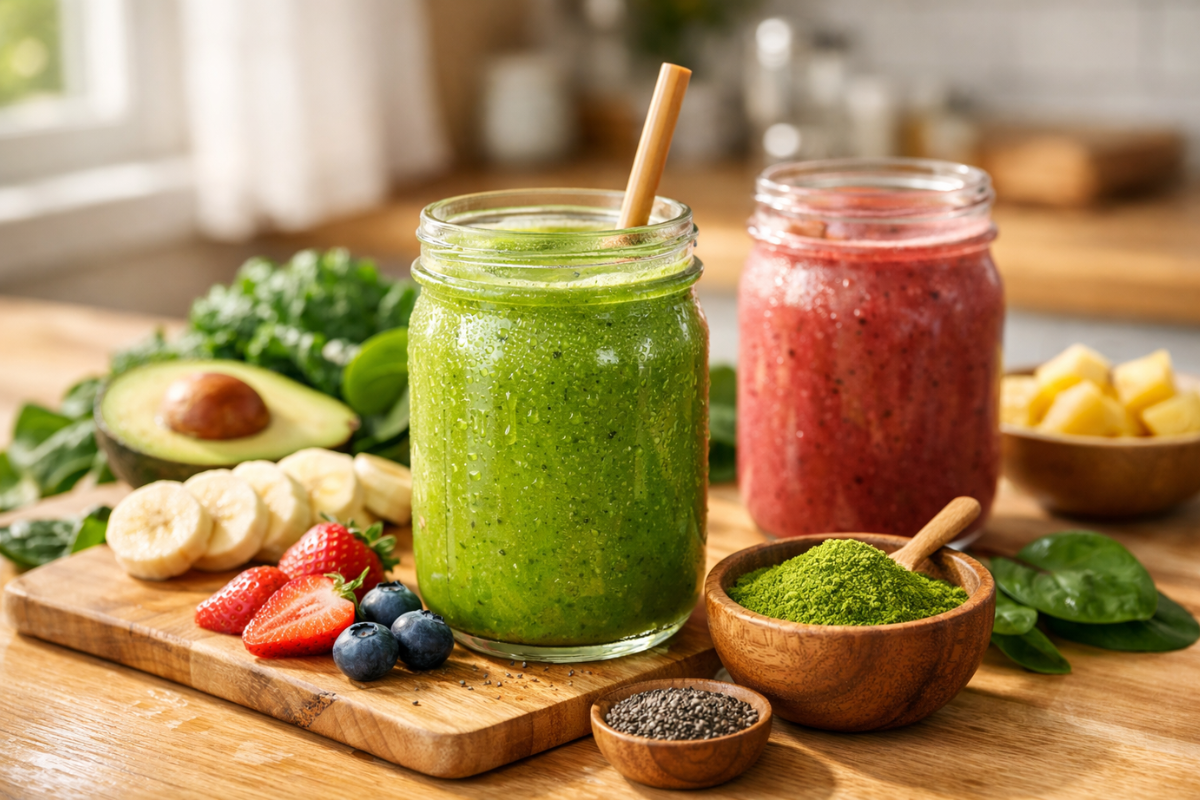
Kratom smoothies are one of the easiest and most enjoyable ways to improve flavor, texture, and overall drinkability, especially for people who struggle with Kratom’s naturally bitter profile. By combining Kratom powder with fruits, natural sweeteners, and functional ingredients, you can create balanced Kratom drink recipes that feel closer to a wellness smoothie than a supplement ritual. Read the guidebook on “How to mix Kratom powder”
This guide breaks down why Kratom tastes bitter, shares interesting Kratom smoothie recipes, and explains dosing, equipment, and preparation tips so you can customize each Kratom smoothie to your preferences.
Why Does Kratom Taste Bitter?
Kratom’s bitterness comes from its naturally occurring alkaloids, primarily mitragynine and related compounds found in the leaves of Mitragyna speciosa. These alkaloids are not water-soluble sugars or acids, which is why simple dilution doesn’t remove the taste.
Several factors intensify bitterness:
- Finely milled Kratom powder exposes more surface area
- Plain water does little to mask alkaloid flavor
- Heat or prolonged soaking can amplify earthy notes
- Low-fat, low-sugar liquids provide minimal flavor balance
Smoothies work well because they combine acidity, sweetness, fiber, and fat, which together help neutralize bitterness and improve mouthfeel.
9 Delicious Kratom Smoothie Recipes :
Check out the Kratom smoothie recipes to remove the bitterness of Kratom -
1. Green Smoothie Bowl
Prep Time: 5 minutes
Servings: 1 bowl
Ingredients
- 2 cups fresh spinach
- ½ cup unsweetened almond milk
- 1 frozen banana
- ½ avocado
- 1 tablespoon chia seeds
- Ice, as needed
- Optional: ¼–½ teaspoon Red Vein Kratom powder, for an added botanical boost
- Toppings: granola, fresh berries, sliced banana
Directions
- Add the spinach, almond milk, frozen banana, avocado, chia seeds, and ice to a blender.
- Blend on high until completely smooth.
- If too thin, add more ice and blend again.
- Pour into a bowl, add Kratom Powder along with your favorite toppings before serving.
2. Peanut Butter Smoothie Bowl
Prep Time: 10 minutes
Servings: 2 bowls
Ingredients
- 2 frozen bananas, chopped
- ½ cup fat-free plain Greek yogurt
- 1 cup unsweetened almond milk
- ¼ cup creamy peanut butter
- 1 teaspoon vanilla extract
- 1 tablespoon chia seeds
- 1 cup ice
- Pinch of kosher salt
Directions
- Combine frozen bananas, Greek yogurt, almond milk, peanut butter, vanilla, chia seeds, and ice in a blender.
- Blend until smooth and creamy.
- Divide between bowls and add toppings such as sliced bananas, peanuts, or cacao nibs.
3. Ultra-Creamy Avocado Smoothie
Prep Time: 5–7 minutes
Servings: 1 large smoothie
Ingredients
- 1 ripe avocado
- 1 frozen banana
- 1 cup unsweetened almond milk
- 1 tablespoon honey or agave (optional)
- Ice cubes (as needed)
- Optional: ½ teaspoon Green Vein Kratom powder, mix well
Directions
- Scoop the avocado flesh into the blender with the banana and almond milk.
- Add sweetener if desired, and blend until smooth.
- Add ice to reach your preferred thickness.
- Serve immediately.
4. Mixed Berries and Banana Smoothie
Prep Time: 5 minutes
Servings: 2
Ingredients
- 1½ cups frozen mixed berries
- 1 ripe banana
- ½ cup low-fat vanilla yogurt
- ½–¾ cup almond milk (to desired consistency)
- Ice (optional)
Directions
- Add mixed berries, banana, yogurt, and almond milk to the blender.
- Blend until smooth.
- Add ice if you want a thicker texture.
- Pour into glasses and serve.
5. Strawberry-Green Tea Smoothie
Prep Time: 10 minutes
Servings: 1
Ingredients
- 1 cup fresh strawberries
- ½ cup brewed green tea, cooled
- ½ frozen banana
- ½ cup plain yogurt
- Optional: Ice cubes
- Sweetener to taste (honey, maple syrup)
Directions
- Brew and cool green tea before starting.
- Add strawberries, cooled tea, banana, and yogurt to a blender.
- Blend until smooth.
- Adjust sweetness as desired and enjoy.
6. Pineapple Smoothie Bowl
Prep Time: 5–7 minutes
Servings: 1 bowl
Ingredients
- 1 cup frozen pineapple chunks
- ½ banana
- ½ cup coconut water or almond milk
- 1 tablespoon chia seeds
- Optional toppings: sliced mango, shredded coconut, granola
Directions
- Blend the pineapple, banana, and coconut water until smooth and creamy.
- Add chia seeds and pulse a few times.
- Pour into a bowl and top with fruit and seeds as desired.
7. Creamy Mint Chip Smoothie
Prep Time: 5–8 minutes
Servings: 1
Ingredients
- 1 cup spinach or fresh mint leaves
- 1 frozen banana
- 1 cup almond milk
- 1–2 tablespoons unsweetened cocoa nibs or dark cacao
- ¼ teaspoon peppermint extract
- Ice for texture
- ½ teaspoon Kratom powder of your choice
Directions
- Combine spinach or mint leaves, banana, almond milk, cocoa nibs, and peppermint extract.
- Blend until very smooth.
- Add ice along with Kratom powder and blend again to desired consistency.
- Serve chilled.
8. Mean Green Smoothie
Prep Time: 5 minutes
Servings: 1
Ingredients
- 2 cups fresh kale
- 1 green apple, cored and chopped
- ½ cucumber
- 1 ripe banana
- 1 cup coconut water or filtered water
- Ice to blend
Directions
- Add kale, apple, cucumber, banana, and coconut water to the blender.
- Blend until smooth.
- Add ice if you prefer a colder drink.
9. Kale Smoothie
Prep Time: 5–7 minutes
Servings: 1
Ingredients
- 2 cups fresh kale leaves
- 1 banana
- ½ cup mango chunks
- ½ cup pineapple chunks
- 1 cup coconut water or juice
- Ice as needed
Directions
- Remove kale stems and add leaves to the blender.
- Add banana, mango, pineapple, and coconut water.
- Blend until smooth.
- Add ice to thicken if desired.
Tips for Adding Kratom Powder
If you choose to include Kratom powder in smoothies (e.g., Green Smoothie Bowl, Creamy Mint Chip Smoothie), make sure to:
- Start with a small amount (e.g., ½ teaspoon) and mix thoroughly.
- Blend longer to ensure even distribution.
- Be cautious with potency and check local regulations before use.
What Are The Equipment Needed To Make Smoothies?
- High-speed blender for smooth texture
- Measuring spoon or scale
- Reusable cups with lids
- Ice trays or frozen fruit packs
For travel or convenience, pre-blending smoothie bases and adding Kratom later can help maintain freshness.
Nutritional Considerations
Many Kratom smoothies include antioxidant-rich fruits, fiber, and healthy fats. According to nutrition guidance from Harvard Health Publishing, smoothies made with whole fruits and balanced macros support sustained energy rather than sugar spikes.
Tips:
- Avoid excess added sugars
- Use whole fruits over juices when possible
- Balance carbs with fats or protein
Final Thoughts
Kratom smoothies are one of the most approachable ways to improve taste, texture, and enjoyment especially for beginners or anyone sensitive to bitterness. With the right ingredients, preparation methods, and expectations, a Kratom smoothie can feel like part of a daily wellness routine rather than a chore. Experiment with fruits, liquids, and textures until you find a Kratom smoothie recipe that fits your lifestyle. As always, prioritize freshness, quality sourcing, and responsible use.
Frequently Asked Questions
What types of Kratom products are available?
Kratom is commonly available in several formats, including powder, capsules, extract shots, and blends. Powder is the most traditional and versatile form, capsules offer pre-measured convenience, and extract shots provide a more concentrated, ready-to-use option.
Are Kratom products lab tested?
Reputable Kratom brands such as Professor Whytes provide third-party lab testing for their products. These lab reports, often called Certificates of Analysis (COAs), verify purity, alkaloid content, and the absence of contaminants such as heavy metals or microbes.
What is a Certificate of Analysis (COA), and why does it matter?
A COA is a lab document that confirms a Kratom product has been tested by an independent laboratory. It typically includes alkaloid levels, safety screenings, and batch information. COAs help buyers make informed decisions and ensure the product meets basic quality and safety expectations.
How do I choose between Kratom powder and capsules?
Kratom powder is often chosen for its lower cost per gram and flexibility in preparation, such as mixing into drinks or teas. Capsules are preferred by those who want a tasteless, portable, and pre-measured option. Read the guide on the difference between Powder vs capsules.
How should Kratom products be stored?
Kratom should be stored in a cool, dry place away from direct light, heat, and moisture. Airtight, food-grade containers help preserve freshness and reduce degradation over time.
Can Kratom products be shipped to all locations?
Kratom legality varies by country, state, and local jurisdiction. Online retailers typically restrict shipping to locations where Kratom is permitted. Always verify your local laws and review the retailer’s shipping policy before placing an order.
Is buying Kratom online better than buying it in-store?
Buying Kratom online often provides access to a wider selection, clearer pricing, and more detailed product information, including lab reports. Physical retail locations may have limited options and less transparency.
Can I buy Kratom products in bulk?
Many vendors offer bulk or larger-size options for powders and capsules. Buying in bulk can reduce the cost per gram or per serving, especially for regular purchasers. Always confirm that bulk products include the same lab testing and batch information as smaller sizes.
Are Kratom products intended for beginners?
Some products, such as capsules or lower-concentration powders, are often considered more approachable for new users due to consistency and ease of use.
Where can I learn more about Kratom quality and safe purchasing?
Educational blogs, strain guides, and transparency pages from reputable sellers provide useful background on Kratom sourcing, testing, and product differences. Reviewing these resources helps buyers make informed, responsible purchasing decisions.